
Close Menu
    Trending
    • Doubts cast over ‘wild’ claim that magnetic control can turn on genes
    • AI Cyberattacks Meet Memory-Safe Code Defenses
    • The NO KINGS Party Gives King Charles A Standing Ovation
    • Harry & Meghan’s Cold Move Shows They Don’t ‘Need The Palace’
    • Timeline of attacks on the Jewish community in London
    • $25bn or $1 trillion: How much has Iran war really cost the US? | US-Israel war on Iran News
    • More information emerges on concerning Bo Nix update
    • Opinion | Why Are We Still Driving?
    Benjamin Franklin Institute
    Thursday, April 30
    • Home
    • Politics
    • Business
    • Science
    • Technology
    • Arts & Entertainment
    • International
    Benjamin Franklin Institute
    Home»Science»Your chance of having a boy or girl may not be 50/50
    Science

    Your chance of having a boy or girl may not be 50/50

    Team_Benjamin Franklin InstituteBy Team_Benjamin Franklin InstituteJuly 20, 2025No Comments3 Mins Read
    Share Facebook Twitter Pinterest Copy Link LinkedIn Tumblr Email VKontakte Telegram
    Share
    Facebook Twitter Pinterest Email Copy Link


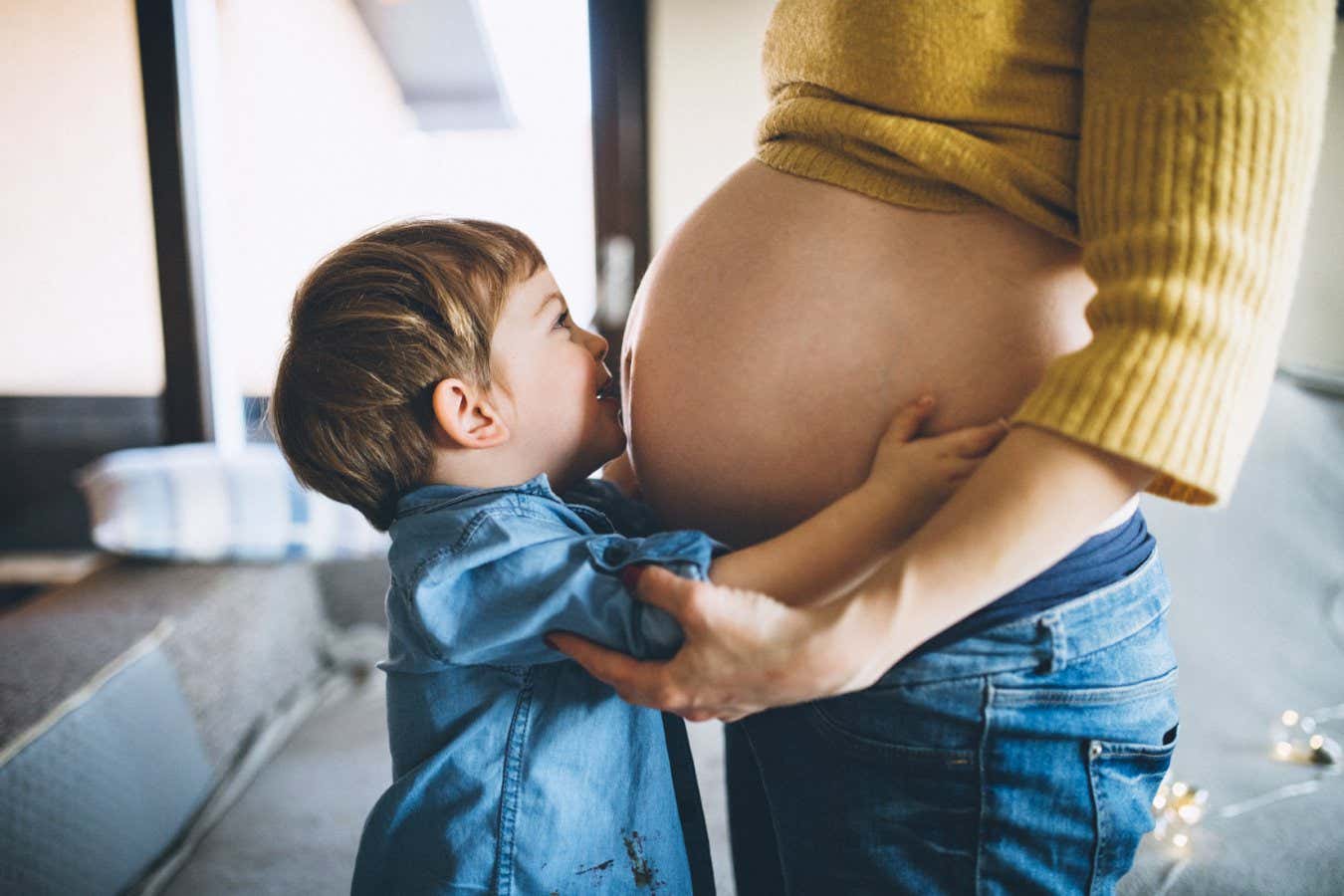
    A woman’s age may determine whether she has only sons or daughters

    Marko Pekic/Getty Images

    You may assume that a woman’s chance of having a son or daughter is 50/50, similar to a coin toss, but it appears that some women may be more likely to have children of only one sex.

    “From personal experience, I’ve seen friends [and] family members that have only girls or boys in their family,” says Siwen Wang at Harvard University. “This raises the question of whether it’s purely chance, or is there some underlying biology that could explain this phenomenon?”

    The ratio of boys to girls at birth is roughly 50:50 at a population level, mainly because men’s sperm are about equally likely to contain an X or a Y chromosome, which determines a child’s sex.

    But Wang and her colleagues wondered if women may also play a role. To learn more, they analysed data collected from more than 58,000 mothers in the US who had previously enrolled in two separate studies on contraception and maternal health. Of these women, 61 per cent had two children, 30 per cent had three children, 8 per cent had four children and the remaining women had five or more.

    The researchers compared the sex of the women’s children with eight maternal traits: height, body mass index, race, hair colour, blood type, chronotype (the time of day when they’re most alert), age at first menstruation and their age when they had their first child, which ranged from 13 to 48 years old.

    The team found that the women who were older than 28 when they first gave birth had a 43 per cent chance of later having children of only one sex, compared with a 34 per cent chance among those who were younger than 23 when they first became a mother.

    “We found that older maternal age at first birth was linked to [a higher chance] of having only girls or boys,” says Wang. None of the other traits were linked to the sex of the women’s children.

    Although it is unclear why maternal age may have this effect, it could come down to biological changes within the body, which vary among women, says Wang. For instance, previous studies suggest that the first phase of the menstrual cycle becomes shorter with age, which may favour the birth of boys, while a decrease in vaginal pH with age may support the survival of sperm containing X chromosomes, leading to a greater chance of having a girl, says Wang.

    But the findings could also be explained by behavioural factors, says Joshua Wilde at the University of Oxford. It is possible that older women are more likely to plan the size of their families, he says. This could mean that even if they wanted two children of different sexes, they may decide to stop after having two boys or two girls, whereas a younger woman may be more likely to pursue having a child of the other sex, with less concern for family size, he says.

    Further studies are needed to parse how behavioural, environmental and biological factors influence a baby’s sex, says Wilde.

    Topics:


    Source link

    Share. Facebook Twitter Pinterest LinkedIn Tumblr Email Telegram Copy Link

    Related Posts

    Science

    Doubts cast over ‘wild’ claim that magnetic control can turn on genes

    April 30, 2026
    Science

    Is an AI version of Mark Zuckerberg – or any boss – a good plan?

    April 30, 2026
    Science

    What happened after the fall of Rome? Ancient genomes offer new clues

    April 30, 2026
    Science

    A giant hailstorm just killed an emu at a Missouri zoo

    April 30, 2026
    Science

    Measles outbreaks can end, but the danger of the disease doesn’t

    April 30, 2026
    Science

    Simple treatment tweak drastically reduces blood loss from severe cuts

    April 29, 2026
    Editors Picks

    Colombia prepares for refugee influx after US strikes on Venezuela | US-Venezuela Tensions

    January 6, 2026

    This neuroscientist says some psychopaths wish they were nicer

    March 29, 2026

    The best new science-fiction shows of 2026 include Fallout and Neuromancer

    January 8, 2026

    Why the EU Needs War so Desperately

    February 7, 2026

    Claire Danes Recalls Losing It Over Pregnancy News At 44

    January 29, 2026
    About Us
    About Us

    Welcome to Benjamin Franklin Institute, your premier destination for insightful, engaging, and diverse Political News and Opinions.

    The Benjamin Franklin Institute supports free speech, the U.S. Constitution and political candidates and organizations that promote and protect both of these important features of the American Experiment.

    We are passionate about delivering high-quality, accurate, and engaging content that resonates with our readers. Sign up for our text alerts and email newsletter to stay informed.

    Latest Posts

    Doubts cast over ‘wild’ claim that magnetic control can turn on genes

    April 30, 2026

    AI Cyberattacks Meet Memory-Safe Code Defenses

    April 30, 2026

    The NO KINGS Party Gives King Charles A Standing Ovation

    April 30, 2026

    Subscribe for Updates

    Stay informed by signing up for our free news alerts.

    Paid for by the Benjamin Franklin Institute. Not authorized by any candidate or candidate’s committee.
    • Privacy Policy
    • About us
    • Contact us

    Type above and press Enter to search. Press Esc to cancel.