
Close Menu
    Trending
    • DAIMON Robotics Wants to Give Robot Hands a Sense of Touch
    • Iran & The Drawn-Out Cold War
    • Evangeline Lilly Slams Disney Amid Massive Layoffs
    • US naval blockade squeezes Iran’s oil exports, forces crude onto floating storage
    • Africa and Asia back Infantino for unique fourth term as FIFA president | World Cup 2026 News
    • The ‘No. 3 NBA Draft picks’ quiz
    • Budweiser has been waiting 150 years for this brand moment
    • Doubts cast over ‘wild’ claim that magnetic control can turn on genes
    Benjamin Franklin Institute
    Thursday, April 30
    • Home
    • Politics
    • Business
    • Science
    • Technology
    • Arts & Entertainment
    • International
    Benjamin Franklin Institute
    Home»Science»New Scientist changed the UK’s freedom of information laws in 2025
    Science

    New Scientist changed the UK’s freedom of information laws in 2025

    Team_Benjamin Franklin InstituteBy Team_Benjamin Franklin InstituteDecember 22, 2025No Comments3 Mins Read
    Share Facebook Twitter Pinterest Copy Link LinkedIn Tumblr Email VKontakte Telegram
    Share
    Facebook Twitter Pinterest Email Copy Link


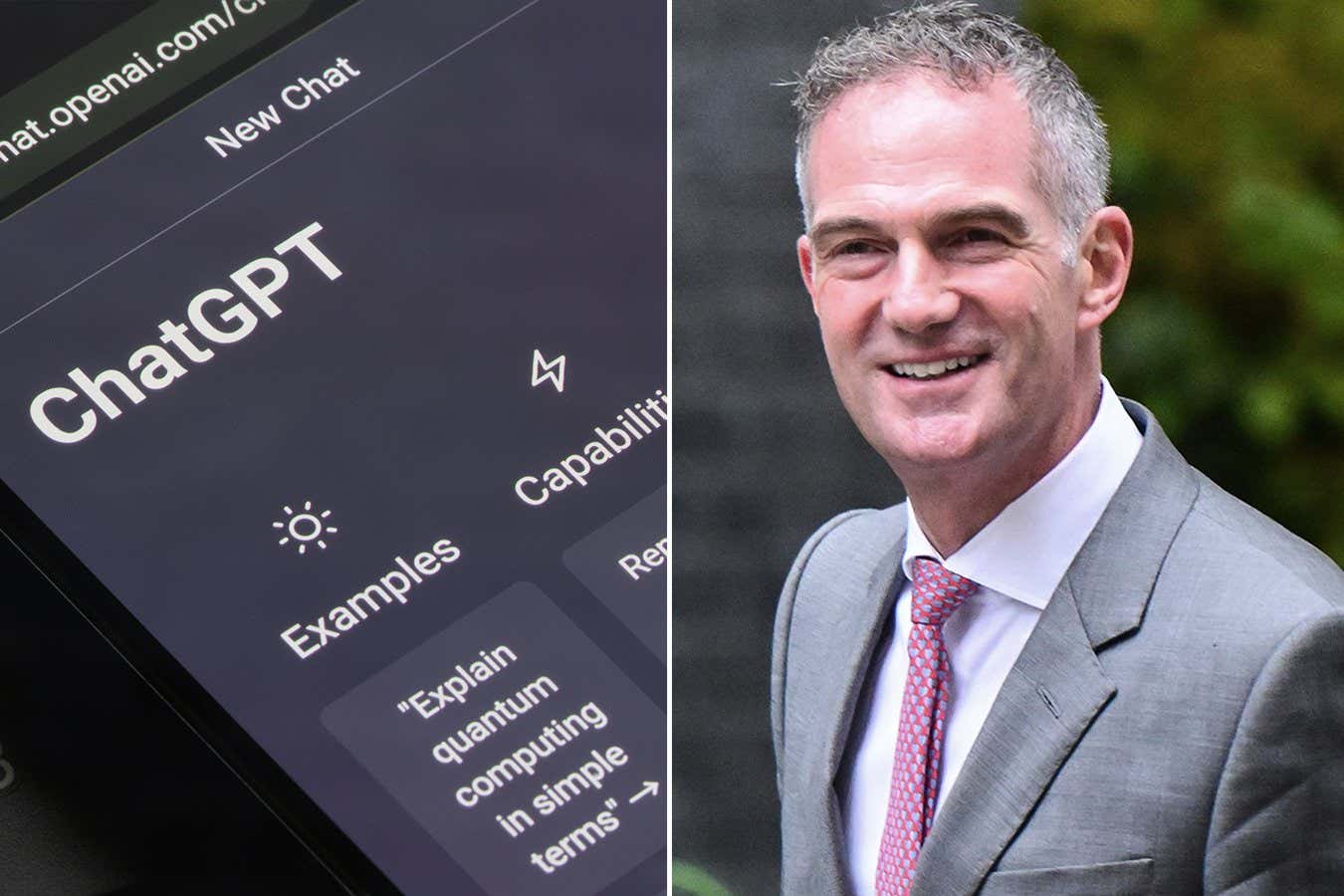
    Our successful request for Peter Kyle’s ChatGPT logs stunned observers

    Tada Images/Victoria Jones/Shutterstock

    When I fired off an email at the start of 2025, I hadn’t intended to set a legal precedent for how the UK government handles its interactions with AI chatbots, but that is exactly what happened.

    It all began in January when I read an interview with the then-UK tech secretary Peter Kyle in Politics Home. Trying to suggest he used first-hand the technology his department was set up to regulate, Kyle said that he would often have conversations with ChatGPT.

    That got me wondering: could I obtain his chat history? Freedom of information (FOI) laws are often deployed to obtain emails and other documents produced by public bodies, but past precedent has suggested that some private data – such as search queries – aren’t eligible for release in this way. I was interested to see which way the chatbot conversations would be categorised.

    It turned out to be the former: while many of Kyle’s interactions with ChatGPT were considered to be private, and so ineligible to be released under FOI laws, the times when he interacted with the AI chatbot in an official capacity were.

    So it was that in March, the Department for Science, Industry and Technology (DSIT) provided a handful of conversations that Kyle had had with the chatbot – which became the basis for our exclusive story revealing his conversations.

    The release of the chat interactions was a shock to data protection and FOI experts. “I’m surprised that you got them,” said Tim Turner, a data protection expert based in Manchester, UK, at the time. Others were less diplomatic in their language: they were stunned.

    When publishing the story, we explained how the release was a world first – and getting access to AI chatbot conversations went on to gain international interest.

    Researchers in different countries, including Canada and Australia, got in touch with me to ask for tips on how to craft their own requests to government ministers to try to obtain the same information. For example, a subsequent FOI request in April found that Feryal Clark, then the UK minister for artificial intelligence, hadn’t used ChatGPT at all in her official capacity, despite professing its benefits. But many requests proved unsuccessful, as governments began to rely more on legal exceptions to the free release of information.

    I have personally found that the UK government has become much cagier around the idea of FOI, especially concerning AI use, since my story for New Scientist. A subsequent request I made via FOI legislation for the response within DSIT to the story – including any emails or Microsoft Teams messages mentioning the story, plus how DSIT arrived at its official response to the article – was rejected.

    The reason why? It was deemed vexatious, and sorting out valid information that ought to be included from the rest would take too long. I was tempted to ask the government to use ChatGPT to summarise everything relevant, given how much the then-tech secretary had waxed lyrical about its prowess, but decided against it.

    Overall, the release mattered because governments are adopting AI at pace. The UK government has already admitted that the civil service is using ChatGPT-like tools in day-to-day processes, claiming to save up to two weeks’ a year through improved efficiency. Yet AI doesn’t impartially summarise information, nor is it perfect: hallucinations exist. That’s why it is important to have transparency over how it is used – for good or ill.

    Topics:

    • politics/
    • 2025 news review


    Source link

    Share. Facebook Twitter Pinterest LinkedIn Tumblr Email Telegram Copy Link

    Related Posts

    Science

    Doubts cast over ‘wild’ claim that magnetic control can turn on genes

    April 30, 2026
    Science

    Is an AI version of Mark Zuckerberg – or any boss – a good plan?

    April 30, 2026
    Science

    What happened after the fall of Rome? Ancient genomes offer new clues

    April 30, 2026
    Science

    A giant hailstorm just killed an emu at a Missouri zoo

    April 30, 2026
    Science

    Measles outbreaks can end, but the danger of the disease doesn’t

    April 30, 2026
    Science

    Simple treatment tweak drastically reduces blood loss from severe cuts

    April 29, 2026
    Editors Picks

    Russian makers of Oreshnik missile used western technology

    December 27, 2024

    Russia-Ukraine war: List of key events, day 1,418 | Russia-Ukraine war News

    January 12, 2026

    BYD’s annual profit drops for first time in four years as price war hurts margins

    March 27, 2026

    Are Neanderthals descendants of modern humans?

    April 15, 2026

    Great Nations Do Not Fight Endless Wars

    March 4, 2026
    About Us
    About Us

    Welcome to Benjamin Franklin Institute, your premier destination for insightful, engaging, and diverse Political News and Opinions.

    The Benjamin Franklin Institute supports free speech, the U.S. Constitution and political candidates and organizations that promote and protect both of these important features of the American Experiment.

    We are passionate about delivering high-quality, accurate, and engaging content that resonates with our readers. Sign up for our text alerts and email newsletter to stay informed.

    Latest Posts

    DAIMON Robotics Wants to Give Robot Hands a Sense of Touch

    April 30, 2026

    Iran & The Drawn-Out Cold War

    April 30, 2026

    Evangeline Lilly Slams Disney Amid Massive Layoffs

    April 30, 2026

    Subscribe for Updates

    Stay informed by signing up for our free news alerts.

    Paid for by the Benjamin Franklin Institute. Not authorized by any candidate or candidate’s committee.
    • Privacy Policy
    • About us
    • Contact us

    Type above and press Enter to search. Press Esc to cancel.