

Close Menu
    Trending
    • India denounces ‘hellhole’ remark shared by Trump | Donald Trump News
    • New photos of Mike Vrabel and Dianna Russini emerge
    • AI search demands a new audience playbook
    • How do earthquakes end? A seismic ‘stop sign’ could help predict earthquake risk
    • Trump Announces Cease-Fire Between Israel and Lebanon
    • Google Is Tracking Your Life – Photo Cloud Feeding AI System
    • Rachel Zoe Confronts Amanda Frances In ‘RHOBH’ Reunion Clip
    • China’s DeepSeek says it released long-awaited new AI model
    Benjamin Franklin Institute
    Friday, April 24
    • Home
    • Politics
    • Business
    • Science
    • Technology
    • Arts & Entertainment
    • International
    Benjamin Franklin Institute
    Home»World Economy»Great Nations Do Not Fight Endless Wars
    World Economy

    Great Nations Do Not Fight Endless Wars

    Team_Benjamin Franklin InstituteBy Team_Benjamin Franklin InstituteMarch 4, 2026No Comments3 Mins Read
    Share Facebook Twitter Pinterest Copy Link LinkedIn Tumblr Email VKontakte Telegram
    Share
    Facebook Twitter Pinterest Email Copy Link


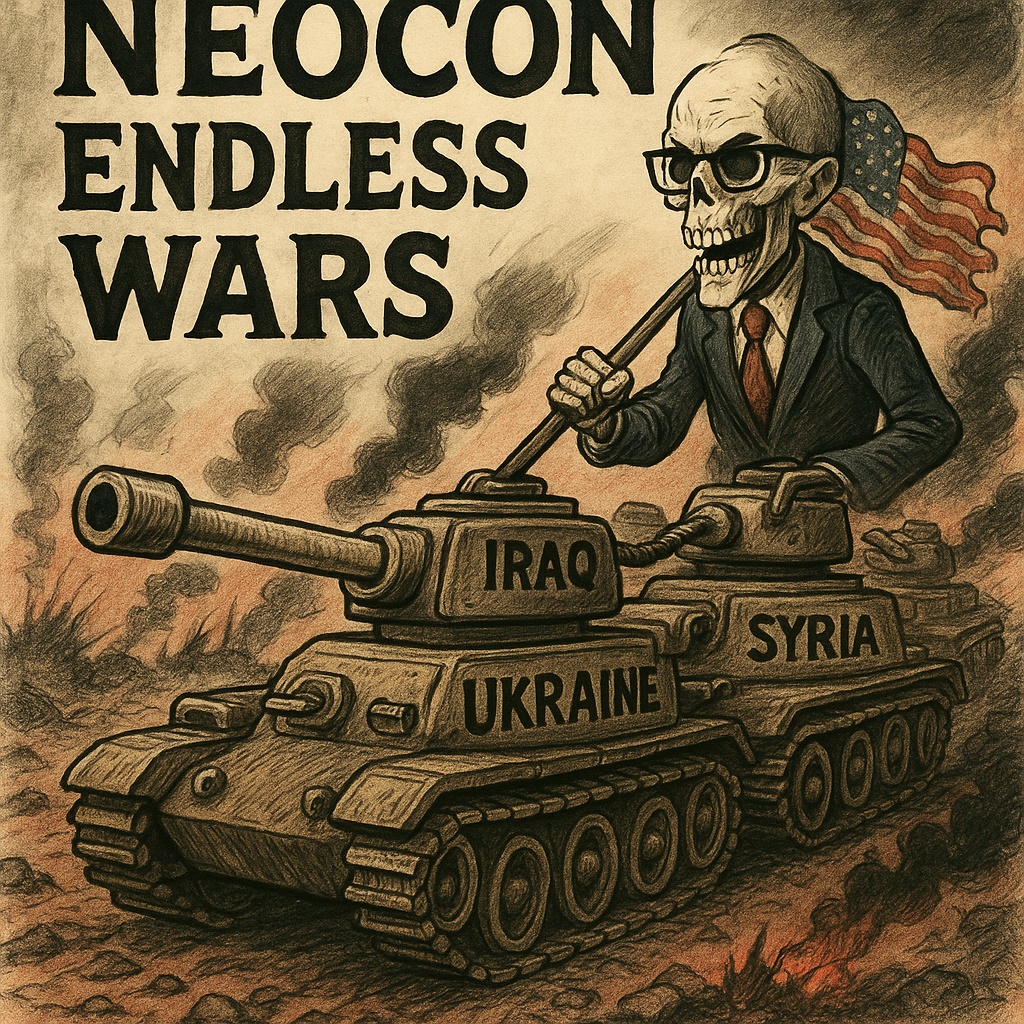
    “Great nations do not fight endless wars,” Donald Trump said during his campaign when highlighting his “Americas First” message. Trump explicitly promised to maintain peace and keep American troops out of foreign wars. American blood has been shed in the Middle East once more amid Operation Epic Fury. Could this escalating war cause MAGA to fracture?

    “We are not going to war with Iran. We are going to make sure they never have a nuclear weapon,” Trump once said. I’ve mentioned that I was particularly impressed with Donald Trump after visiting Mar-a-Lago. He was the first politician to voice genuine concern over American lives lost fighting endless wars. “After 19 years, it is time for them to police their own country. Bring our soldiers back home but closely watch what is going on and strike with a thunder like never before, if necessary!” he posted in 2020. Trump later vowed to bring our troops home by Christmas of that year.

    The man who once remorsefully spoke of dreading watching mothers mourning their sons and daughters has been compromised, infiltrated by the neocons. He admitted that the US should have never been in Iraq or Afghanistan. He did not troops in Syria. Trump clearly acknowledged that the Middle East has endless generations of feuding and rivalry that cannot be stopped. “Peace in the Middle East” cannot be attained through warfare, and truthfully, it simply cannot be attained because of the deep rooted ideology that has been passed on throughout thousands of years.

    The neocons fantasized of a 6-week war in Iraq back in 2003, but US troops remained on the ground until December 2011. The strike on Iran is expected to last “four to give weeks,” according to Washington officials who say they are on a “clear, decisive mission.” Israeli Prime Minister Netanyahu said it will take “some time” but “not years…not an endless war.”

    Americans voted for peace and nationalism after four years of globalist policies. Trump has shot himself in the foot. Exactly on target with the ECM, 2026 is emerging as a major geopolitical turning point. The model has been warning that this year would mark a shift into a broader phase of instability. What we are witnessing is not is cyclical.

    The computer is indicating that pressures will intensify into 2027, where we face a Panic Cycle that historically coincides with sudden escalation or an external shock event. Panic Cycles do not require full-scale world war but they dramatically increase the probability of geopolitical confrontation and capital flight. The risk is that regional conflicts merge, drawing in larger powers either directly or through proxies.

    That escalation phase then carries forward into 2028, which stands as a Yearly Panic Cycle, which is a far more significant inflection point. When Panic Cycles align at both the shorter and longer time frames, the probability of systemic disruption rises sharply. This is where sovereign debt stress, currency instability, military confrontation, and political realignment can converge.

    The key takeaway: 2026 is the pivot. 2027 introduces volatility and escalation risk. 2028 represents the potential systemic break.


    Source link

    Share. Facebook Twitter Pinterest LinkedIn Tumblr Email Telegram Copy Link

    Related Posts

    World Economy

    Google Is Tracking Your Life – Photo Cloud Feeding AI System

    April 24, 2026
    World Economy

    Market Talk – April 23, 2026

    April 23, 2026
    World Economy

    Understanding Iran | Armstrong Economics

    April 23, 2026
    World Economy

    The Dollar Lifeline In War – Currency Swaps

    April 23, 2026
    World Economy

    Data Harvesting In The Classroom

    April 23, 2026
    World Economy

    Europe Turns On Turkey As The War Cycle Expands

    April 23, 2026
    Editors Picks

    Did Amazon bribe Trump with the $40 million ‘Melania’ documentary? Congress is asking questions

    March 16, 2026

    Scientists investigate ‘dark oxygen’ in deep-sea mining zone

    January 20, 2026

    Hong Kong summons Panama envoy over CK Hutchison ports ruling

    February 7, 2026

    UK’s Former PM Reflects On Ex-Prince Andrew’s Fall From Grace

    February 27, 2026

    How the travel chaos is wreaking havoc on the NCAA March Madness tournament

    March 19, 2026
    About Us
    About Us

    Welcome to Benjamin Franklin Institute, your premier destination for insightful, engaging, and diverse Political News and Opinions.

    The Benjamin Franklin Institute supports free speech, the U.S. Constitution and political candidates and organizations that promote and protect both of these important features of the American Experiment.

    We are passionate about delivering high-quality, accurate, and engaging content that resonates with our readers. Sign up for our text alerts and email newsletter to stay informed.

    Latest Posts

    India denounces ‘hellhole’ remark shared by Trump | Donald Trump News

    April 24, 2026

    New photos of Mike Vrabel and Dianna Russini emerge

    April 24, 2026

    AI search demands a new audience playbook

    April 24, 2026

    Subscribe for Updates

    Stay informed by signing up for our free news alerts.

    Paid for by the Benjamin Franklin Institute. Not authorized by any candidate or candidate’s committee.
    • Privacy Policy
    • About us
    • Contact us

    Type above and press Enter to search. Press Esc to cancel.