

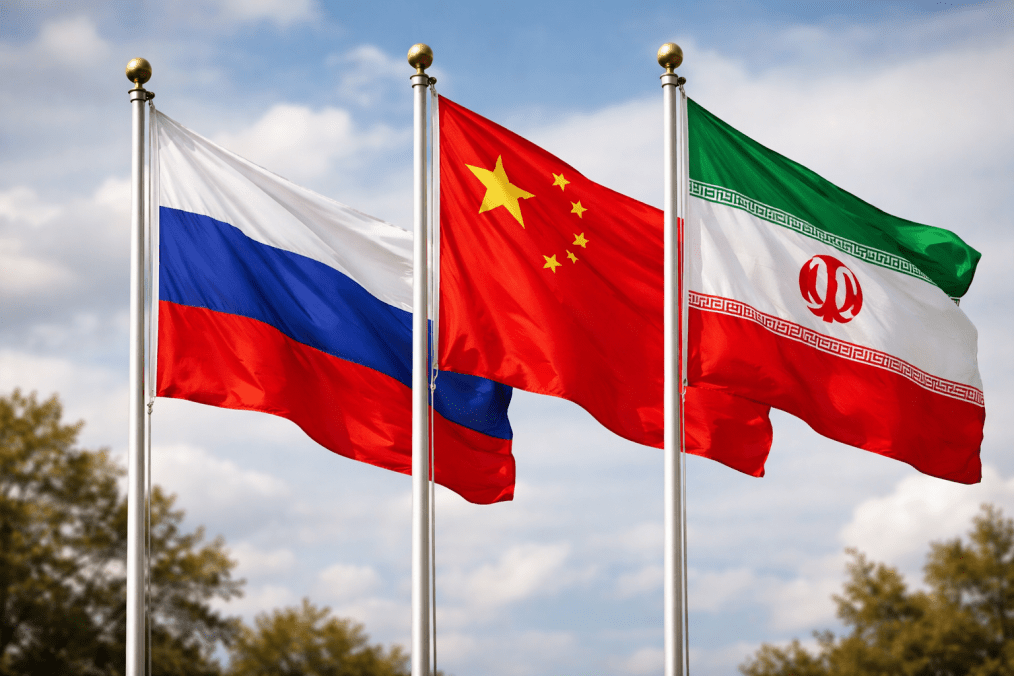
For years, I have warned that geopolitics moves in cycles just as markets do. The Economic Confidence Model has been projecting that the period around 2026 would become a geopolitical turning point, leading to rising confrontation toward the Panic Cycle in 2027 and ultimately the 2028 Panic Cycle year. What we are now witnessing is the early stage of that alignment. The conflict with Iran is no longer merely a regional war. It is evolving into something far more significant as alliances that previously existed quietly in the background are now being acknowledged publicly.
Iran’s foreign minister has now openly stated that Russia and China are providing military cooperation to Tehran during the war with the United States and Israel. He emphasized that these relationships are part of long-standing strategic partnerships that now include intelligence sharing and other forms of support as the conflict escalates. This matters enormously because once cooperation becomes official rather than discreet, it changes the geopolitical landscape. The declaration of alignment is a signal to the world that a new bloc is forming.
Reports indicate that Russia’s support has included intelligence assistance and battlefield data, while China has focused on diplomatic backing, logistical assistance, and the protection of energy flows through the Strait of Hormuz. At the same time, Chinese naval assets have appeared near the Strait while Russia and China have coordinated diplomatic efforts at the United Nations to challenge the legitimacy of the strikes against Iran. None of this is accidental. These powers are not rushing troops into battle, but they are positioning themselves strategically while allowing the United States to become entangled in another prolonged conflict.
In the modern era, direct confrontation between nuclear powers is avoided, but support flows through intelligence, logistics, technology, and diplomacy. Russia and China are effectively helping Iran sustain resistance without crossing the line into direct war with the United States. Analysts already note that intelligence sharing and electronic warfare assistance have improved Iran’s ability to track U.S. military movements in the region. The result is a conflict that can drag on far longer than policymakers initially expect.
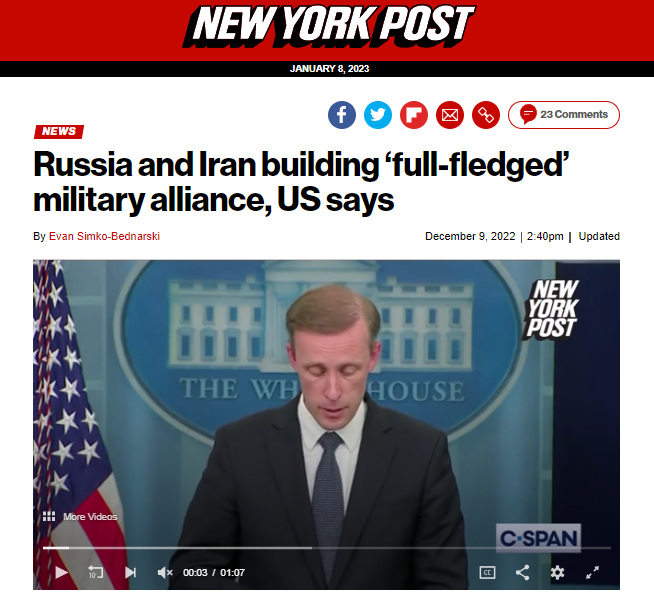
From the perspective of the Economic Confidence Model, this is exactly what a Panic Cycle environment looks like. Confidence begins to shift away from government institutions, geopolitical tensions escalate, and alliances begin to harden. The ECM has shown that 2026 represents the pivot year. Pressure builds into 2027, where the Panic Cycle raises the probability of sudden geopolitical escalation, and the cycle then carries forward into the 2028 Panic Cycle year. When these cycles align, history shows that global alliances restructure and the world moves toward a new balance of power.
Energy routes make the situation even more dangerous. The Strait of Hormuz remains one of the most critical chokepoints in global oil supply, and disruptions there have already sent energy prices sharply higher as the conflict intensifies. China’s interest in securing passage through the strait and Russia’s strategic positioning highlight that the battle is not only military. It is economic. Whoever controls the energy corridors and trade routes ultimately controls leverage over the global economy.
The key takeaway is that the official acknowledgement of cooperation among Iran, Russia, and China goes beyond wartime rhetoric. It signals that the geopolitical chessboard is shifting. What began as a regional confrontation now sits within a larger strategic framework that the ECM warned about years in advance. When alliances begin to crystallize during a Panic Cycle phase, the risk is not simply prolonged conflict. The risk is that the world divides into opposing blocs once again, and history shows that such realignments rarely unfold quietly.