

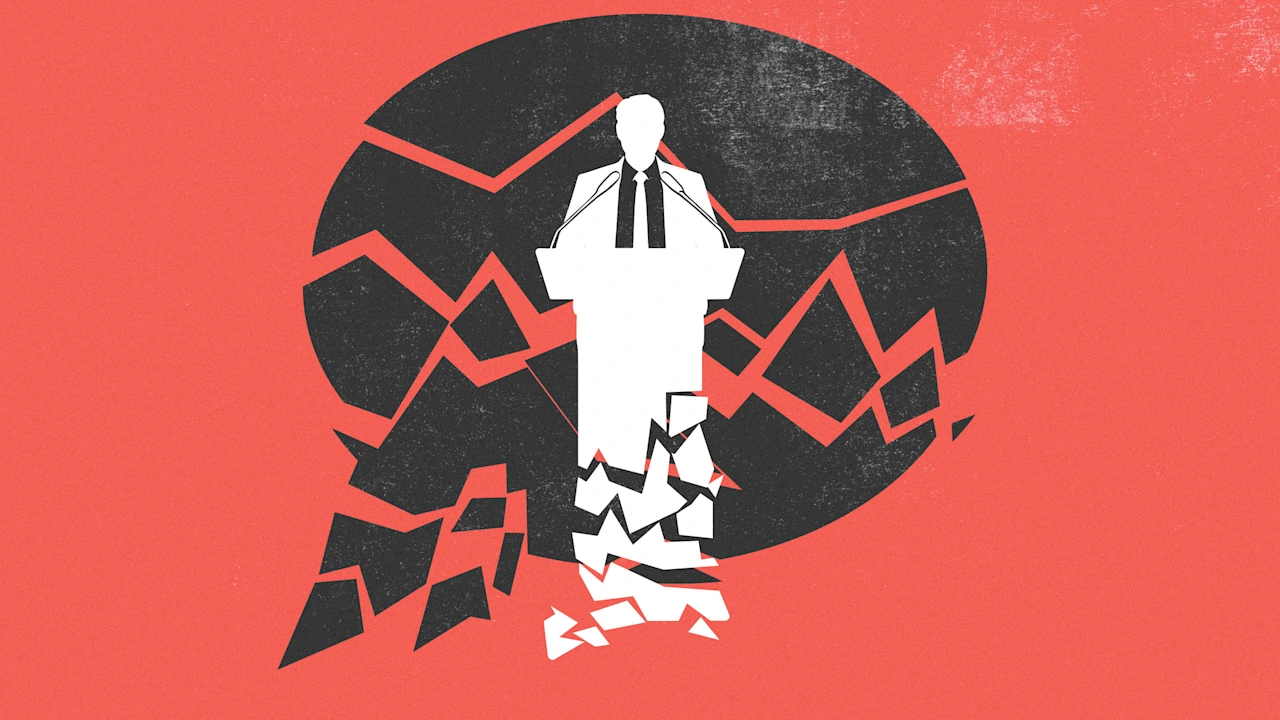
When leaders lose credibility, the explanation usually sounds simple:
· “I should have phrased that better.”
· “I didn’t say the right thing.”
It is easy to point to a sentence or word choice and assume that is where things went pear-shaped.
But what most leaders label as a content problem is actually a presence problem.
This is the core misunderstanding I see repeatedly in my executive coaching work. Leaders often assume credibility rises and falls based on wording alone. In reality, credibility is shaped by executive presence, which reflects the signals leaders send about confidence, clarity, and authority before their ideas are fully heard.
Why presence changes everything
Executive presence becomes the lens through which everything you say is interpreted. It shapes whether your words carry authority, whether your ideas inspire confidence, or whether they quietly lose force. Words matter. But presence determines how those words are received.
Beyond that, presence also includes decisiveness and confidence. These are not verbal qualities. They show up in how firmly you take a position, how clearly you signal certainty, and how willing you are to stand behind your thinking.
Leaders with strong executive presence project command, clarity, and conviction even before they finish a sentence. That is why two leaders can say nearly the same thing and be experienced very differently. One is perceived as credible and trustworthy. The other is seen as unsure or tentative. The difference is not intelligence or preparation. It is presence.
Confidence is judged before it is processed
In high-stakes moments such as executive meetings, leadership discussions, or moments of visible disagreement, confidence is assessed almost instantly.
People notice whether you stay composed when challenged, how quickly or cautiously you speak, whether you take ownership of your point or retreat from it. Whether you’re grounded or reactive, decisive or hesitant.
Credibility can absolutely be affected by what leaders say. But far more often, it erodes when the leader’s presence weakens the impact of otherwise strong words.
When confidence slips under scrutiny
A senior leader I worked with who was highly respected and deeply technical walked into an executive meeting expecting alignment. His recommendation was solid. The data supported it. He had thought through the risks.
Midway through the discussion, a senior stakeholder challenged one assumption. Not aggressively, just enough to test the thinking.
The leader paused. He began qualifying his language. He spoke more quickly. He softened the recommendation to invite consensus.
Nothing dramatic happened. There was no visible misstep. Yet afterward, a peer told him, “You seemed less sure than usual.” That comment surprised him. His thinking had not changed. But under scrutiny, how he showed up had.
This is where credibility is most often lost. Not through bad ideas, but through subtle shifts in presence when pressure rises.
What showing up really means
Showing up as a leader is often mistaken for being prepared or having strong content. But credibility is shaped by something more fundamental: the signals you send every day about how you think, decide, and lead.
Executive presence is built through consistent behavior over time, through three tightly connected leadership capabilities.
1. Gravitas
Gravitas is the ability to remain composed, grounded, and emotionally steady. While it is critical when challenged or under pressure, gravitas is not situational. It is a baseline leadership quality. Leaders with gravitas bring calm to conversations, stability to decisions, and confidence to uncertainty.
2. Authority
Authority is the willingness to take charge and set direction. It is not about title or dominance. It is about being seen as an authority because of the strength, confidence, and clarity you bring. Leaders with authority do not wait to be invited into leadership. They step into it by owning decisions, stating positions clearly, and signaling conviction even when outcomes are uncertain.
3. Expression
Expression is how clearly and effectively ideas are communicated. Strong expression means being concise, direct, and intentional. It means delivering insight in a way that is easy to follow and easy to trust. They provide what matters most, briefly and clearly, so their ideas are heard and remembered.
Why capable leaders struggle here
Ironically, the leaders most affected by credibility erosion are often the most capable. They value collaboration. They want buy-in. They are thoughtful, inclusive, and consensus-oriented. These traits are rewarded in many company cultures.
But when collaboration becomes hesitation and consensus replaces conviction, executive presence suffers. Under scrutiny, these leaders may overqualify, overexplain, or delay decisions in the name of alignment. What feels respectful and inclusive internally can read as uncertainty externally.
Leaders who maintain credibility under pressure do not rely on volume, persuasion, or over-explanation. They stay composed. They take ownership of their perspective and communicate it without retreat.
What people remember
Long after the meeting ends, people rarely remember every detail of the discussion. They remember who stayed steady. Who took ownership. Who seemed ready to lead when uncertainty surfaced.
Credibility is not built on having the smartest answer in the room. It is built when your presence reinforces the strength of your thinking in real time. When your tone, pace, and decisiveness align with your ideas. When you show up with composure and clarity at the very moments others feel pressure to retreat.
That is how leaders earn trust.
That is how they sustain credibility.
And that is how to turn presence into leadership.