
Close Menu
    Trending
    • Beijing’s new supply chain rules deepen concerns for US firms in China
    • India denounces ‘hellhole’ remark shared by Trump | Donald Trump News
    • New photos of Mike Vrabel and Dianna Russini emerge
    • AI search demands a new audience playbook
    • How do earthquakes end? A seismic ‘stop sign’ could help predict earthquake risk
    • Trump Announces Cease-Fire Between Israel and Lebanon
    • Google Is Tracking Your Life – Photo Cloud Feeding AI System
    • Rachel Zoe Confronts Amanda Frances In ‘RHOBH’ Reunion Clip
    Benjamin Franklin Institute
    Friday, April 24
    • Home
    • Politics
    • Business
    • Science
    • Technology
    • Arts & Entertainment
    • International
    Benjamin Franklin Institute
    Home»Science»Transformer architecture, the one innovation that supercharged AI: Best ideas of the century
    Science

    Transformer architecture, the one innovation that supercharged AI: Best ideas of the century

    Team_Benjamin Franklin InstituteBy Team_Benjamin Franklin InstituteJanuary 26, 2026No Comments2 Mins Read
    Share Facebook Twitter Pinterest Copy Link LinkedIn Tumblr Email VKontakte Telegram
    Share
    Facebook Twitter Pinterest Email Copy Link


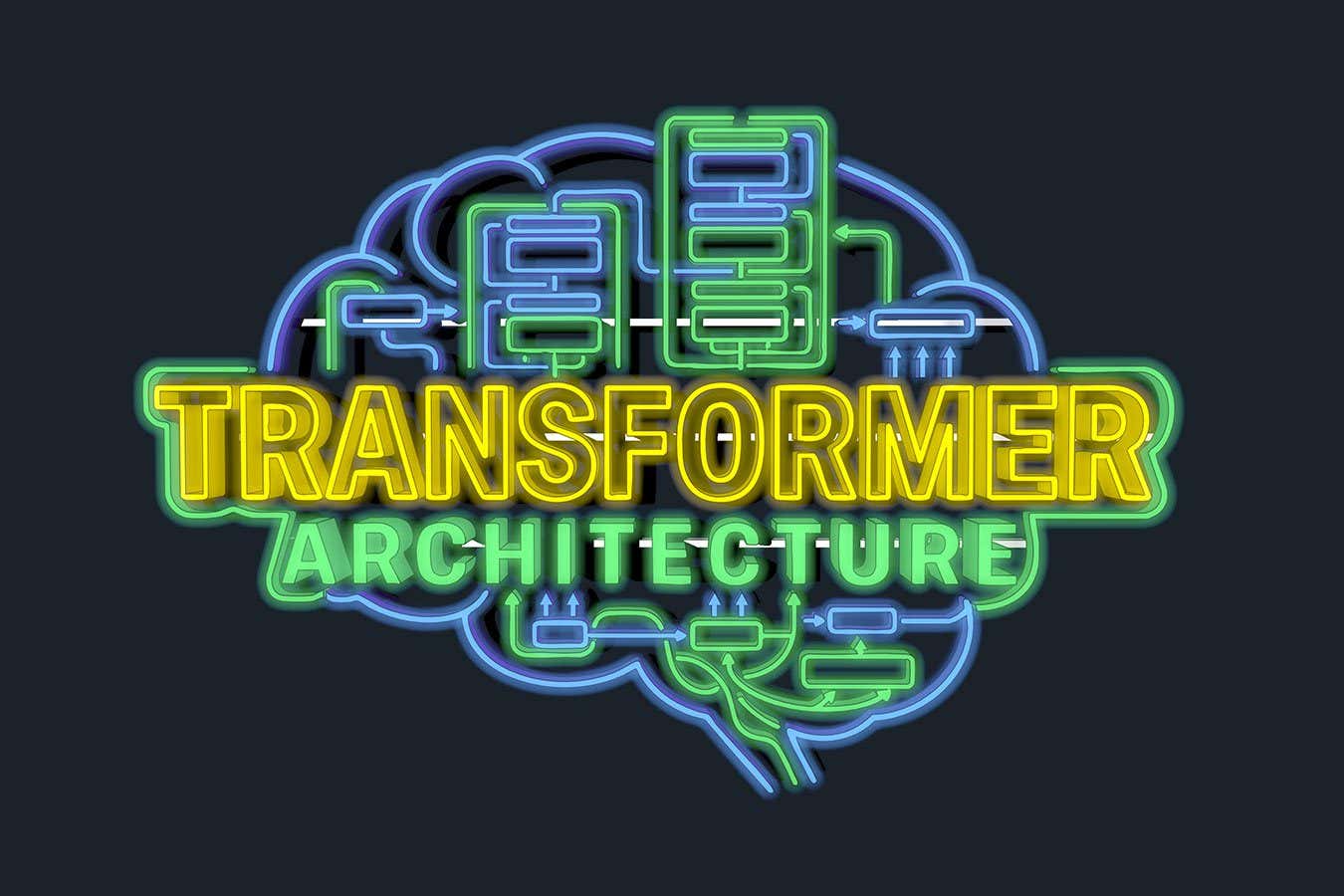
    Today’s most powerful AI tools – the ones that can summarise documents, generate artwork, write poetry or predict how incredibly complex proteins fold – all stand on the shoulders of the “transformer”. This neural network architecture, first announced in 2017 at an unassuming conference centre in California, enables machines to process information in a way that reflects how humans think.

    Previously, most state-of-the-art AI models relied on a technique called a recurrent neural network. This worked by reading text in tight windows, left to right, remembering only what came just before. That set-up worked well enough for short phrases. But in longer, more tangled sentences, the models had to squeeze too much context into their limited memory, causing crucial details to be lost. The ambiguity stumped them.

    Transformers threw out that approach and embraced something more radical: self-attention.

    It’s surprisingly intuitive. We humans certainly don’t read and interpret text by scanning word by word in a strict order. We skim, we double back, we make guesses and corrections by weighing up the context. This kind of mental agility has long been the holy grail of natural language processing: teaching machines not just how to process language, but also how to understand it.

    Transformers mimic that mental leap. Their self-attention mechanism allows them to compare every word in a sentence with every other word, all at once, spotting patterns and building meaning from the relationships between them. “You could leverage all this data from the internet or Wikipedia and use it for your task,” says AI researcher Sasha Luccioni at Hugging Face. “And that was hugely powerful.”

    This flexibility isn’t limited to text either. Transformers now underpin tools that generate music, render images and even model molecules. AlphaFold, for instance, treats proteins – long strings of amino acids – like sentences. A protein’s function depends on how it folds and that, in turn, depends on how its parts relate across long distances. Attention mechanisms let the model weigh those distant relationships with fine-grained precision.

    In hindsight, the insight feels almost obvious: intelligence, whether human or artificial, depends on knowing what to focus on and when. The transformer didn’t just help machines grasp language. It gave them a way to navigate any structured data – much like humans navigating their own complex worlds.

    Topics:

    • artificial intelligence/
    • neural networks


    Source link

    Share. Facebook Twitter Pinterest LinkedIn Tumblr Email Telegram Copy Link

    Related Posts

    Science

    How do earthquakes end? A seismic ‘stop sign’ could help predict earthquake risk

    April 24, 2026
    Science

    ‘Kraken’ fossils show enormous, intelligent octopuses were top predators in Cretaceous seas

    April 24, 2026
    Science

    Largest ever octopus was great white shark of invertebrate predators

    April 24, 2026
    Science

    Do you need to worry about Mythos, Anthropic’s computer-hacking AI?

    April 23, 2026
    Science

    How many dachshunds would it take to get to the moon?

    April 23, 2026
    Science

    The Age Code review: Can you slow ageing with your diet? A new book gives it a go

    April 23, 2026
    Editors Picks

    Trump brands Minneapolis nurse shot dead by federal agents an ‘agitator’

    January 30, 2026

    Why This Market Dip Is Your Chance to Accelerate Product Velocity, Win Customers and Own the Next Cycle

    July 12, 2025

    EU carbon border tax will force others to cut emissions from 2026

    December 31, 2025

    Mandy Moore Gushes About Aligned ‘Values’ With Hilary Duff

    February 18, 2026

    Noah Gragson offers review of upcoming NASCAR video game

    July 2, 2025
    About Us
    About Us

    Welcome to Benjamin Franklin Institute, your premier destination for insightful, engaging, and diverse Political News and Opinions.

    The Benjamin Franklin Institute supports free speech, the U.S. Constitution and political candidates and organizations that promote and protect both of these important features of the American Experiment.

    We are passionate about delivering high-quality, accurate, and engaging content that resonates with our readers. Sign up for our text alerts and email newsletter to stay informed.

    Latest Posts

    Beijing’s new supply chain rules deepen concerns for US firms in China

    April 24, 2026

    India denounces ‘hellhole’ remark shared by Trump | Donald Trump News

    April 24, 2026

    New photos of Mike Vrabel and Dianna Russini emerge

    April 24, 2026

    Subscribe for Updates

    Stay informed by signing up for our free news alerts.

    Paid for by the Benjamin Franklin Institute. Not authorized by any candidate or candidate’s committee.
    • Privacy Policy
    • About us
    • Contact us

    Type above and press Enter to search. Press Esc to cancel.