

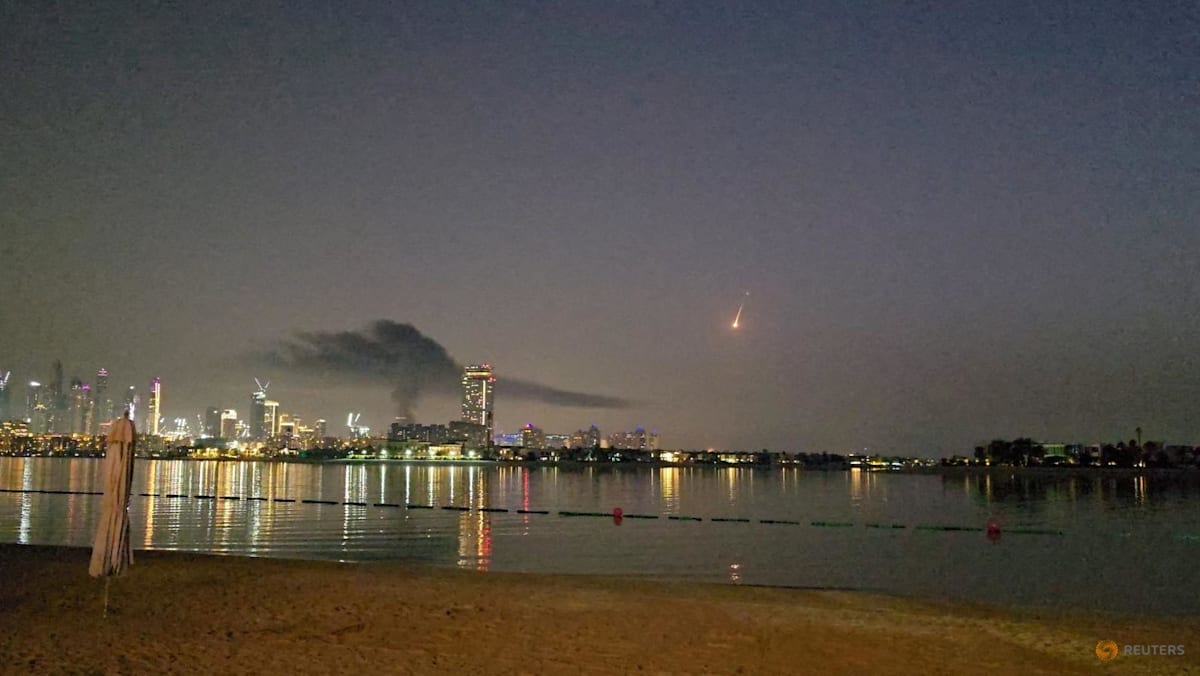
Dubai International Airport recorded its busiest year ever in 2025 with 95.2 million passengers, overtaking every other airport in the world for international traffic and averaging around 260,000 travellers a day.
Yet, within hours of the first strikes, UAE airspace was partially closed and all flights at DXB and Al Maktoum international airports were suspended “until further notice”, one of the most sweeping aviation pauses since the 2020 pandemic.
Monday (Mar 16) saw another pause to operations at Dubai International when a fuel tanker was struck by a drone as the war on Iran entered its third week.
The impact this has had on the tourism sector is apparent.
Data from the Dubai Department of Economy and Tourism showed the city’s hotels entering 2026 from a position of strength.
However, in recent days, booking sites revealed something almost unheard of in the UAE: last‑minute availability and huge discounts.
Reports suggested more than 80,000 bookings in Dubai were cancelled alone in the first week of the conflict, as visitors either scrambled to get home or simply decided to postpone their trips.
Still, the cities were not deserted. Many of those stranded by flight suspensions had extended their stays, or managed to book commercial flights home.
In Abu Dhabi, the Department of Culture and Tourism instructed hotels to let guests stay until they can depart, with the government covering the cost of accommodation for those unable to leave because of airline cancellations.
Meanwhile, Dubai’s Department of Economy and Tourism told hotel operators not to evict guests who cannot travel and to alert authorities if visitors could not afford extensions so that support can be arranged.
Tim Cordon, Chief Operating Officer for the region at Radisson Hotel Group said: “The safety and well-being of our guests and team members remains our absolute priority. At our core, we are in the business of looking after people. During this time, our focus has been on responding with empathy, flexibility, and care, ensuring guests feel supported at every step.”
On the tourism sector, he also said: “The Middle East is a resilient market, and we continue to believe strongly in its long-term strength. While we anticipate a greater short-term focus on domestic travel to offset any temporary decline in international arrivals, we see this as an opportunity to further showcase the richness and diversity of the region to local travellers.”
This sentiment was echoed across other hotel chains in the city.
Government officials said at a briefing just last week that protecting and providing for visitors to the UAE was the priority.
March is usually peak time here for beach clubs and brunches, as people look to escape late winter for desert blue skies. However, this year, some guests are more likely to be watching news alerts, than enjoying the vibrant sunsets Dubai, Abu Dhabi and other cities in the UAE have to offer.