
Close Menu
    Trending
    • The ‘NFL 100-sack club’ quiz
    • Opinion | ‘We Should All Apply’ to Trump’s Slush Fund
    • Best Friends’ College Side Hustle Hit $10K in 30 Days: Bobica Bars
    • This is the most underrated sci-fi film franchise of the 21st century
    • Kathy Griffin Hospitalized After Colonoscopy Complications
    • Trump’s intelligence chief Tulsi Gabbard resigns
    • Man Utd’s Fernandes trumps Arsenal to Premier League player of season award | Football News
    • World Cup 2026: Surprises and snubs from global rosters
    Benjamin Franklin Institute
    Saturday, May 23
    • Home
    • Politics
    • Business
    • Science
    • Technology
    • Arts & Entertainment
    • International
    Benjamin Franklin Institute
    Home»Science»Probiotic cream that ramps up heat production could prevent frostbite
    Science

    Probiotic cream that ramps up heat production could prevent frostbite

    Team_Benjamin Franklin InstituteBy Team_Benjamin Franklin InstituteMarch 19, 2026No Comments3 Mins Read
    Share Facebook Twitter Pinterest Copy Link LinkedIn Tumblr Email VKontakte Telegram
    Share
    Facebook Twitter Pinterest Email Copy Link


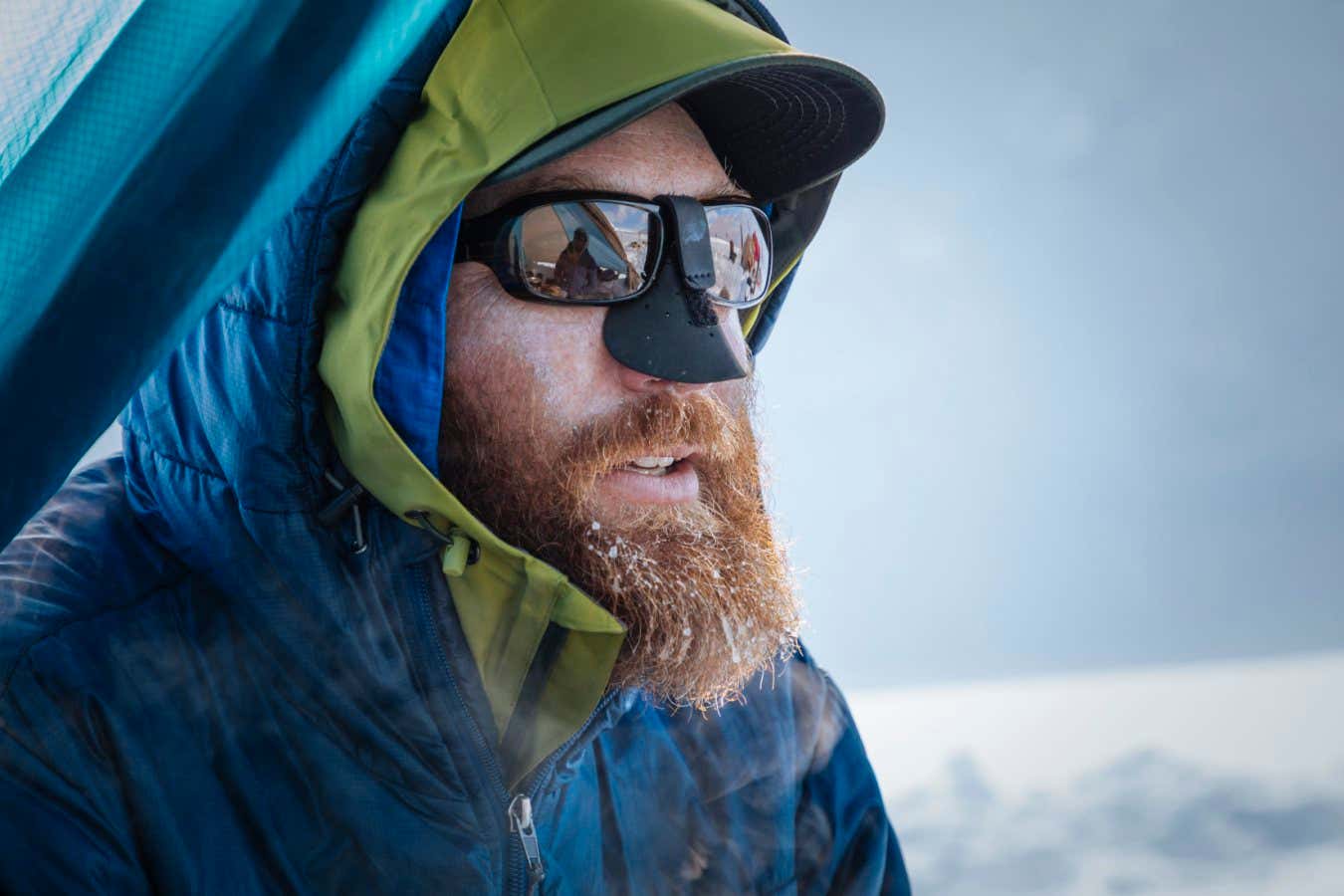
    A probiotic cream could make visits to extremely cold environments a little bit safer

    Aurora Photos, USA

    Polar explorers and deep-water divers could one day apply a probiotic cream to their skin to ward off frostbite or hypothermia. This optimism comes after scientists genetically engineered bacteria that naturally live on our skin to detect temperature, and produce more heat when needed, for the first time.

    “It’s very creative work. You can imagine this cream being the difference between getting frostbite or not,” says Harris Wang at Columbia University in New York, who wasn’t involved in the research. “I can think of many applications – from keeping warm in winter, preventing frostbite during expeditions, to deep-water diving – where generating heat is important.”

    Guillermo Nevot Sánchez at Pompeu Fabra University in Barcelona and his colleagues genetically engineered a strain of the bacterium Cutibacterium acnes, one of the most abundant microbes on healthy skin, to produce twice as much heat as normal. They did this by using CRISPR, a genetic tool, to change levels of a protein called arcC that is involved in generating energy.

    The team also used CRISPR to change the expression of heat-sensitive genes in a separate batch of C. acnes. This meant the microbes could detect temperatures above 32°C (90°F), which they flagged via a fluorescent signal.

    Together, the findings provide the first proof of concept that skin bacteria could be engineered to produce more heat in response to a temperature change, says Nevot Sánchez. The team now needs to combine these two abilities in the same bacteria, and demonstrate that they can detect a dangerous drop in temperature, not just when it is high.

    Nevot Sánchez says the team has conducted experiments, which haven’t yet been published, that show C. acnes strains can survive when mixed into a cream.

    “We could develop a probiotic cream that you put over most of the body – before hiking into cold places, for instance – to prevent hypothermia,” says Nevot Sánchez, who presented the research at the Synthetic Biology for Health and Sustainability conference in Hinxton, UK, on 12 March. It could even help people who live in harsh climates and don’t have heating, he says.

    But further research is needed to test the extent to which such a cream actually heats up human skin samples in the lab and on mice before testing it on people, says Wang. Engineering ways to kill off the bacteria when desired – by applying a second cream, for instance – will also be crucial to limit potential side effects, such as overheating, says Nevot Sánchez.

    Topics:


    Source link

    Share. Facebook Twitter Pinterest LinkedIn Tumblr Email Telegram Copy Link

    Related Posts

    Science

    This is the most underrated sci-fi film franchise of the 21st century

    May 23, 2026
    Science

    Greatest science books: After news about Oliver Sacks’s “lies”, we reread The Man Who Mistook His Wife for a Hat

    May 23, 2026
    Science

    How a visit to Stonehenge reminded me of deep time

    May 23, 2026
    Science

    Experimental mRNA vaccine may protect against multiple Ebola viruses

    May 23, 2026
    Science

    Mercury may have gained all of its unexpected water in a single day

    May 22, 2026
    Science

    Political anger affects the body differently to other forms of anger

    May 22, 2026
    Editors Picks

    Market Talk – January 28, 2026

    January 28, 2026

    Netanyahu expected to meet Trump in US to discuss Iran

    February 8, 2026

    Testosterone helps libido in menopause – can it treat other symptoms?

    October 23, 2025

    Julie Chen Mourns ‘Big Brother’ Star Who Died Unexpectedly On Christmas

    December 28, 2025

    Danish man given suspended sentence for sharing nude film scenes on Reddit

    November 12, 2025
    About Us
    About Us

    Welcome to Benjamin Franklin Institute, your premier destination for insightful, engaging, and diverse Political News and Opinions.

    The Benjamin Franklin Institute supports free speech, the U.S. Constitution and political candidates and organizations that promote and protect both of these important features of the American Experiment.

    We are passionate about delivering high-quality, accurate, and engaging content that resonates with our readers. Sign up for our text alerts and email newsletter to stay informed.

    Latest Posts

    The ‘NFL 100-sack club’ quiz

    May 23, 2026

    Opinion | ‘We Should All Apply’ to Trump’s Slush Fund

    May 23, 2026

    Best Friends’ College Side Hustle Hit $10K in 30 Days: Bobica Bars

    May 23, 2026

    Subscribe for Updates

    Stay informed by signing up for our free news alerts.

    Paid for by the Benjamin Franklin Institute. Not authorized by any candidate or candidate’s committee.
    • Privacy Policy
    • About us
    • Contact us

    Type above and press Enter to search. Press Esc to cancel.