
Close Menu
    Trending
    • Storylines for the RBC Canadian Open: Will a Canadian win on home soil?
    • The end of the ‘good enough’ worker
    • Can Apple and Google stop children from sharing explicit images?
    • Amsterdam Bans Meat Ads As The War On Food Expands
    • Katie Holmes And Joshua Jackson Spark ‘Soul-Level’ Love Chatter
    • Singapore Airlines, Southwest Airlines partner to expand access to nearly 120 US destinations
    • Trump warns Netanyahu: ‘You’ll be on your own’ if attacks on Iran continue | US-Israel war on Iran News
    • Cristiano Ronaldo, ‘The Bosnian Diamond’ headline the World Cup 40-and-over club
    Benjamin Franklin Institute
    Tuesday, June 9
    • Home
    • Politics
    • Business
    • Science
    • Technology
    • Arts & Entertainment
    • International
    Benjamin Franklin Institute
    Home»Trending News»Noisy humans harm birds and affect breeding success: Study
    Trending News

    Noisy humans harm birds and affect breeding success: Study

    Team_Benjamin Franklin InstituteBy Team_Benjamin Franklin InstituteFebruary 11, 2026No Comments3 Mins Read
    Share Facebook Twitter Pinterest Copy Link LinkedIn Tumblr Email VKontakte Telegram
    Share
    Facebook Twitter Pinterest Email Copy Link


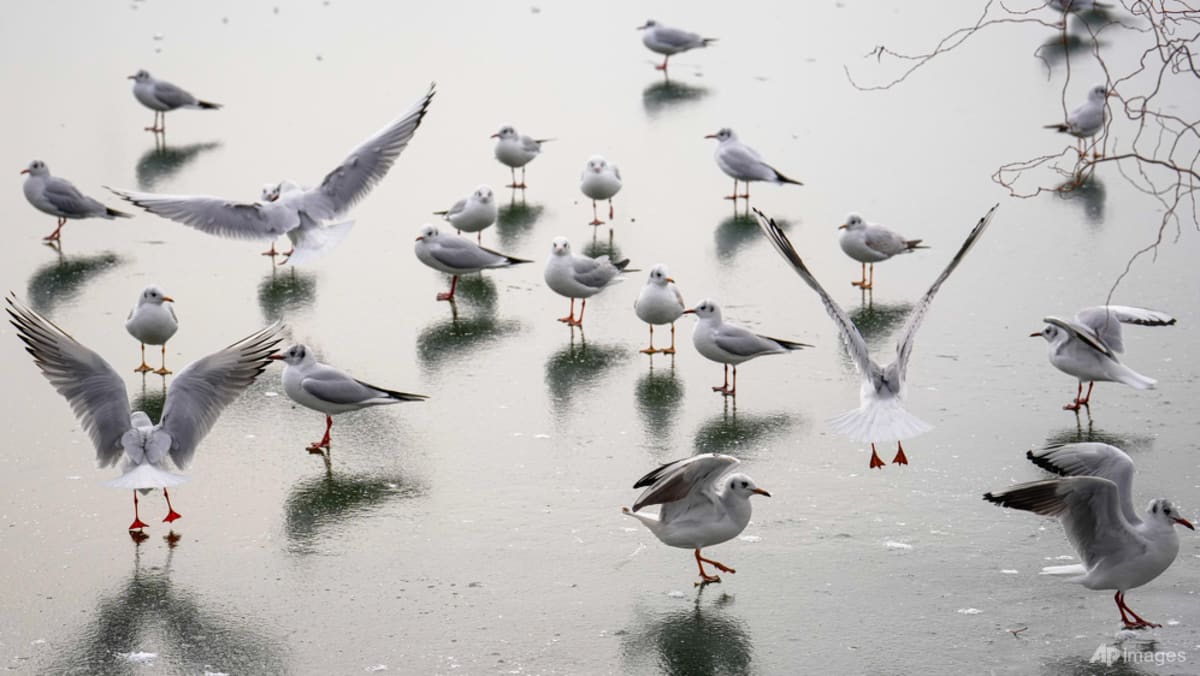
    PARIS: Noise pollution is affecting bird behaviour across the globe, disrupting everything from courtship songs to the ability to find food and avoid predators, a large-scale new analysis showed on Wednesday (Feb 11).

    Researchers reviewed nearly four decades of scientific work and found that noises made by humans were interfering with the lives of birds on six continents and having “strong negative effects” on reproduction success.

    Previous research on individual species has shown that single sources of anthropogenic noise – such as planes, traffic and construction – can impact birds as it does other wildlife.

    But for this study, the team performed a wider analysis by pooling data published since 1990 across 160 bird species to see if any broader trends could be established.

    The study, published in the journal Proceedings of the Royal Society B, found clear evidence of a “pervasive” impact of noise pollution on birds worldwide.

    “We found that noise significantly impacts communication risk behaviours, foraging, aggression and physiology and had a strong effect on habitat use and a negative impact on reproduction,” it said.

    This is because birds rely on acoustic information to survive, making them particularly vulnerable to the modern din produced by cars, machinery and urban life.

    “They use song to find mates, calls to warn of predators, and chicks make begging calls to let their parents know they’re hungry,” Natalie Madden, who led the research while at the University of Michigan, said in a statement.

    “So if there’s loud noise in the environment, can they still hear signals from their own species?”

    In some cases, noise pollution interrupted mating displays, caused males to change their courtship songs, or masked messages between chicks and parents.

    UNDERAPPRECIATED CONSEQUENCE

    The response varied between species, with birds that nest close to the ground suffering greater reproductive harm, while those using open nests experienced stronger effects on growth.

    Birds living in urban areas, meanwhile, tended to have higher levels of stress hormones than those outside of cities.

    The authors said that noise pollution was an “underappreciated consequence” of humanity’s impact on nature, especially compared to the twin drivers of biodiversity loss and climate change.

    Some 61 per cent of the world’s bird species have declining populations, the International Union for Conservation of Nature said in October.

    But many solutions to combat noise pollution already existed, said the study’s senior author Neil Carter, from the University of Michigan.

    For example, buildings are constructed to improve visibility and minimise bird collisions and in much the same way, could be adapted to stifle sound.

    “So many of the things we’re facing with biodiversity loss just feel inexorable and massive in scale, but we know how to use different materials and how to put things up in different ways to block sound,” he said.

    “We know what to use and how to use it, we just have to get enough awareness and interest in doing it.”


    Source link

    Share. Facebook Twitter Pinterest LinkedIn Tumblr Email Telegram Copy Link

    Related Posts

    Trending News

    Singapore Airlines, Southwest Airlines partner to expand access to nearly 120 US destinations

    June 9, 2026
    Trending News

    US says BYD, Baidu, Alibaba and other tech giants are aiding China’s military

    June 9, 2026
    Trending News

    Commentary: Brace for a flood of oil as soon as Hormuz reopens

    June 8, 2026
    Trending News

    Trump’s UFC fight at White House combines punches and politics

    June 8, 2026
    Trending News

    From barbecue diplomacy to AI deals: Five takeaways from Nvidia CEO Jensen Huang’s Asia tour

    June 8, 2026
    Trending News

    French jet on NATO mission shoots down drone in Latvian airspace, army says

    June 8, 2026
    Editors Picks

    New Scientist recommends sci-fi novel Under the Eye of the Big Bird

    March 14, 2026

    This Business Strategy Made No Sense On Paper — But Drove Most of Our Customer Loyalty

    May 19, 2026

    Kilmar Abrego Garcia freed from US immigration detention, returns home | Migration News

    December 12, 2025

    Trump urges ‘free’ transit for US ships through Panama, Suez canals

    April 27, 2025

    3 questions for reviewing your year

    December 27, 2025
    About Us
    About Us

    Welcome to Benjamin Franklin Institute, your premier destination for insightful, engaging, and diverse Political News and Opinions.

    The Benjamin Franklin Institute supports free speech, the U.S. Constitution and political candidates and organizations that promote and protect both of these important features of the American Experiment.

    We are passionate about delivering high-quality, accurate, and engaging content that resonates with our readers. Sign up for our text alerts and email newsletter to stay informed.

    Latest Posts

    Storylines for the RBC Canadian Open: Will a Canadian win on home soil?

    June 9, 2026

    The end of the ‘good enough’ worker

    June 9, 2026

    Can Apple and Google stop children from sharing explicit images?

    June 9, 2026

    Subscribe for Updates

    Stay informed by signing up for our free news alerts.

    Paid for by the Benjamin Franklin Institute. Not authorized by any candidate or candidate’s committee.
    • Privacy Policy
    • About us
    • Contact us

    Type above and press Enter to search. Press Esc to cancel.