

TICKET PRICES AND HYDRATION BREAKS
Even before a ball was kicked at the 2026 World Cup, debate swirled over the high ticket prices and the introduction of hydration breaks.
The tournament marked the first time dynamic pricing was used for World Cup tickets, allowing prices to fluctuate depending on demand.
Fans complained that the cost of attending matches had become prohibitive, prompting FIFA president Gianni Infantino to defend the pricing model on the eve of the tournament.
Official prices for group-stage games were initially set at up to US$575 a ticket. At the 2022 World Cup, the most expensive group match ticket was US$220.
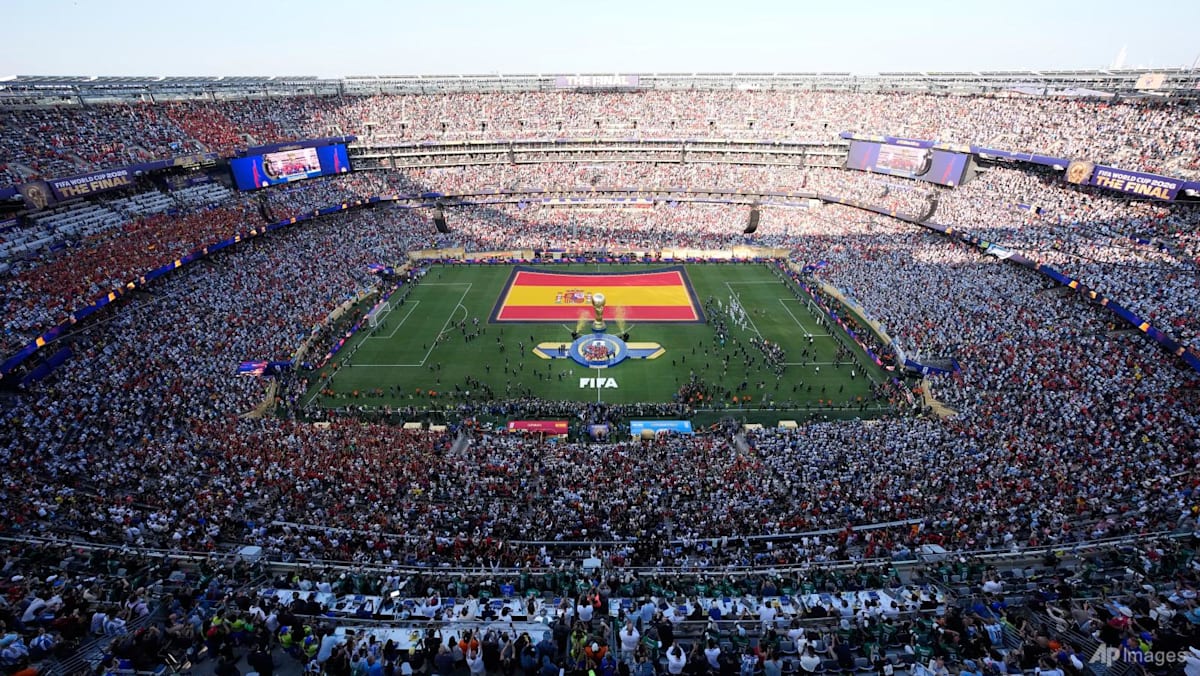
By the time the tournament reached the final, prices had climbed into five figures.
Tickets for the Argentina-Spain showpiece were selling for about US$10,000 the day before the match, after peaking at over US$13,000 during the sales period.
Across the 102-match tournament, the median get-in price was US$916.
Infantino defended the pricing model again during the tournament, pointing to packed stadiums throughout the competition.
“The stadiums are full; capacity utilisation is at 99.7 per cent and it will likely reach 99.9 per cent by the end,” he said in an interview with Swiss television outlet Blue Sport.
He also acknowledged that the introduction of hydration breaks had proved controversial.
FIFA had made three-minute hydration breaks midway through each half mandatory at this World Cup. But some fans argued that the stoppages were less about player welfare than generating additional advertising revenue.