

As Europe faces repeated, dangerous heatwaves, the question is no longer whether rich countries need climate adaptation. It is whether they are willing to learn from places that have been adapting to climate instability for decades.
Across the continent, record temperatures are straining hospitals, disrupting transport and turning ordinary public spaces into health risks. In the United Kingdom, France, Spain, Italy, Germany and the Balkans, extreme heat is only now becoming part of the social, economic and political reality of climate change.
But in Africa, communities have lived with rising temperatures, erratic rainfall, drought, water stress and fragile public infrastructure for generations. They have had to adapt under constrained conditions, often without the financing, insurance coverage or recovery systems available to wealthier countries. The continent has developed behavioural, architectural, technological and institutional approaches that offer real lessons for a rapidly warming Europe.
That is not to suggest there are silver bullets. Climate adaptation is never a matter of simple transplantation: A solution designed for Ouagadougou will need to be reshaped, tested and adjusted before it works in Marseille or Madrid. Local geography, building codes, culture and governance all matter. But the underlying approaches and the expertise behind them travel further than is often assumed.
Take architecture. Across West Africa, architects such as Francis Kere have pioneered climate-smart building design rooted in Indigenous techniques: Reflective roofing, thick walls built from local materials, and window and ventilation systems that cool buildings passively, without heavy reliance on mechanical air conditioning. As European cities confront ageing housing stock ill-suited to sustained heat, and energy grids strained by air-conditioning demand, these low-tech, low-energy design principles deserve serious attention.
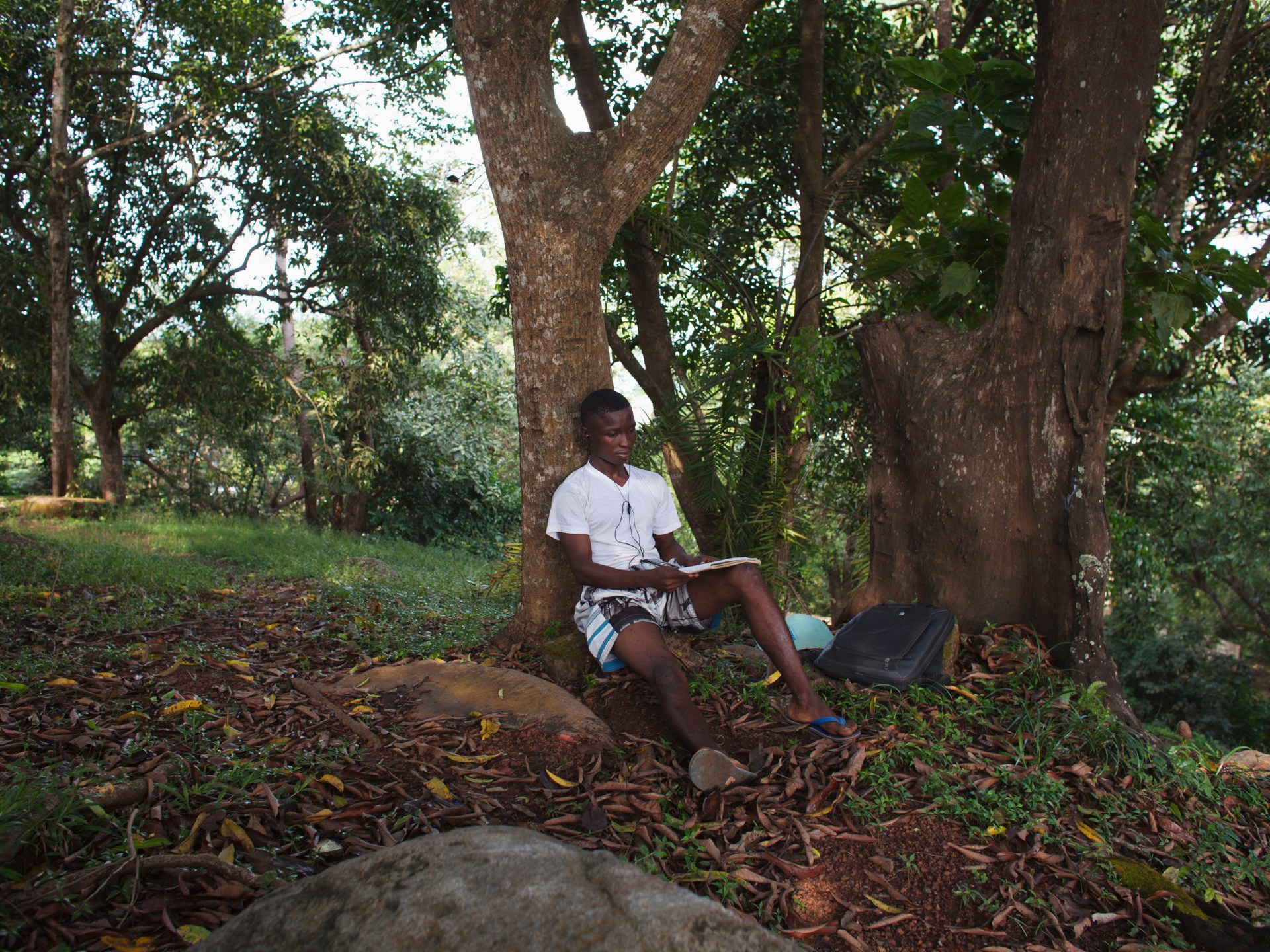
Cities, too, have innovated. Sierra Leone’s capital has led on urban greening through its “Freetown the Tree Town” initiative, a large-scale tree-planting programme designed specifically to tackle the urban heat island effect that makes cities significantly hotter than surrounding areas. The initiative is funded through the carbon credit market.
European cities, many of them dense, paved and short on green cover, face precisely this problem. Freetown’s experience, including how it has organised, financed and sustained mass tree-planting at city scale, is directly relevant.
Across Africa, community health responses have shown how heat adaptation programmes can be built to reach the most vulnerable, working through primary health centres and public health officers to address extreme heat risks in informal settlements, where residents often have the least protection and the fewest resources to cope. Burkina Faso, for example, operates a national heatwave alert system that goes beyond weather warnings, actively promoting hydration and helping people manage exposure during peak heat hours, backed by door-to-door check-ins on vulnerable residents.
Europe’s own most exposed populations: Older people living alone, outdoor workers, and residents of poorly insulated housing, would benefit from health systems organised around the same principle: Proactive, targeted, community-embedded care rather than generic public advisories.
These climate adaptation initiatives are grounded in local geography, governance and community structures. But the principle applies broadly: Heat resilience works best when it creates local ownership, local jobs and visible public value.
The larger point is that adaptation should be seen not as charity or crisis response, but as innovation.
Had adaptation finance been treated as a central pillar of climate action rather than a secondary concern, many of these solutions would already be better funded, better documented and better positioned for wider learning. Instead, the global system has repeatedly paid for emergencies while underinvesting in the systems that reduce risk before disaster strikes.
Europe’s heatwaves show that underinvestment in adaptation anywhere weakens the world’s collective ability to respond everywhere. The more African cities, researchers, public health institutions and community organisations are supported to test and scale solutions, the more knowledge the world can draw from.
North-South cooperation must become a two-way street. Europe should continue to share climate science, technology and finance. But it should also listen to and learn from African adaptation practice. Municipalities should be exchanging notes with other municipalities. Public health officials should be learning from each other across continents. Architects, planners and engineers should be studying what works in hot, resource-constrained environments, not as curiosities, but as sources of design intelligence.
We are entering a period in which extreme heat will test the basic functioning of societies. It will test schools, hospitals, transport systems, housing, labour laws, food systems and public trust. No region has all the answers. But some regions have been forced to confront the questions for longer.
Africa’s experience with heat and climate stress is often told as a story of vulnerability. That story is true, but incomplete. It is also a story of invention, adaptation and expertise. As Europe searches for ways to live with a hotter future, it should not look only inward or upward to new technologies. It should also look south, to communities, cities and institutions that have been learning how to adapt in real time.
What is needed now is the humility to look for solutions where they have already been built, and the collaboration to put them to work wherever they are needed next.
The views expressed in this article are the authors’ own and do not necessarily reflect Al Jazeera’s editorial stance.