
Close Menu
    Trending
    • Birthright citizenship ruling: US officials, lawmakers and advocates react | Migration News
    • Former Caitlin Clark teammate doesn’t take her side in latest controversy
    • Journalist Kara Swisher made her mark on Silicon Valley. Her next target: the 2028 campaign
    • Babies are born with the neural foundations for maths
    • Giving It A Shot | Armstrong Economics
    • Jerry O’Connell Likes Wife Rebecca Romijn ‘Funky’ Body Odour
    • UK’s Starmer unveils US$20 billion defence boost in long-delayed investment plan
    • Heavy rainfall kills dozens in Ghana, Ivory Coast | Climate Crisis News
    Benjamin Franklin Institute
    Tuesday, June 30
    • Home
    • Politics
    • Business
    • Science
    • Technology
    • Arts & Entertainment
    • International
    Benjamin Franklin Institute
    Home»Science»Babies are born with the neural foundations for maths
    Science

    Babies are born with the neural foundations for maths

    Team_Benjamin Franklin InstituteBy Team_Benjamin Franklin InstituteJune 30, 2026No Comments3 Mins Read
    Share Facebook Twitter Pinterest Copy Link LinkedIn Tumblr Email VKontakte Telegram
    Share
    Facebook Twitter Pinterest Email Copy Link


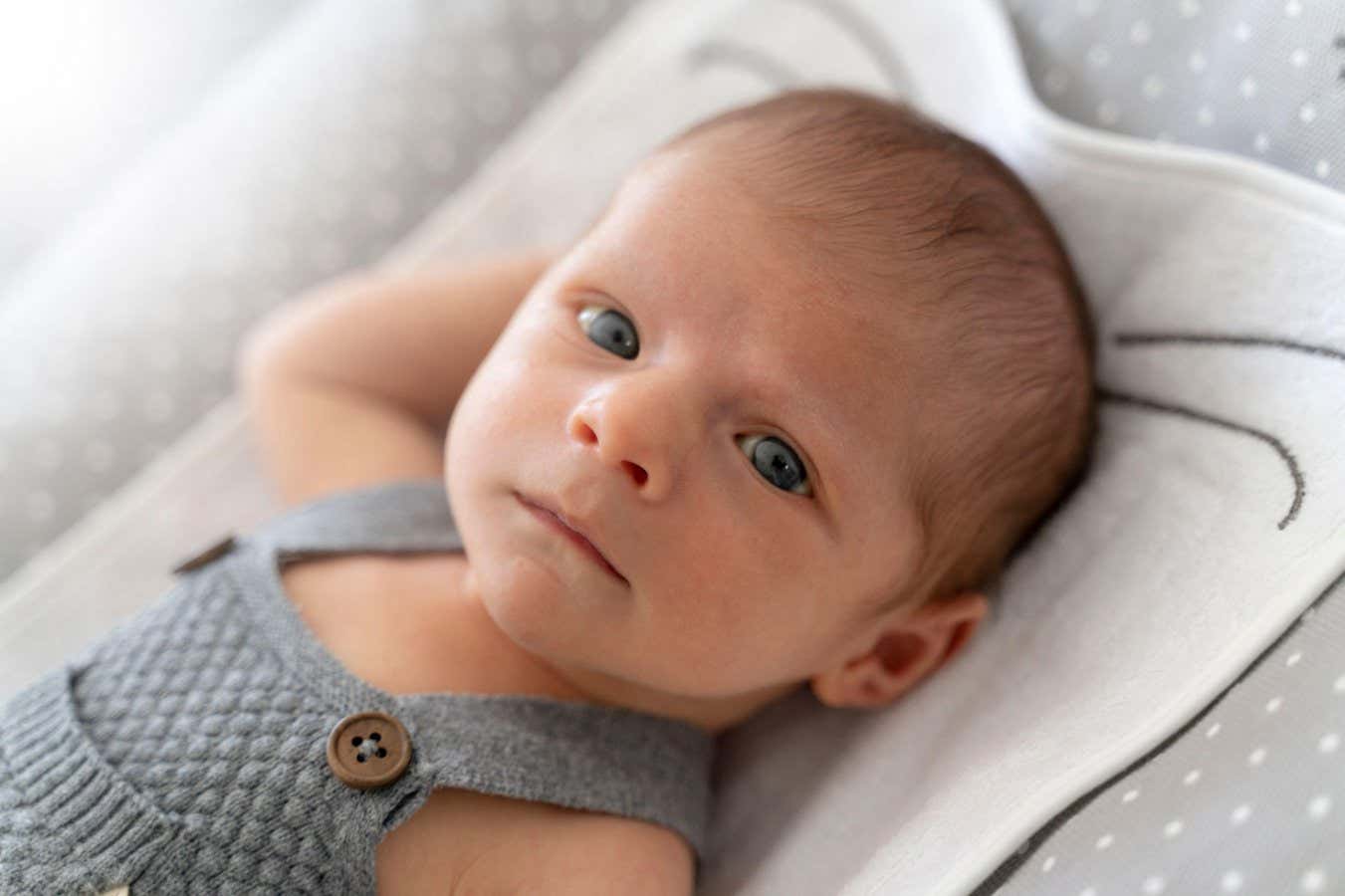
    We are born with an understanding of numbers, which has probably given us a huge evolutionary advantage

    Marc Calleja / Alamy

    Babies are born with an innate sense of numbers, and now, the brain mechanisms behind this ability have been identified for the first time. Within days or even hours of being born, a group of babies could distinguish between four and 12 stimuli, with their brain activity showing how this rudimentary sense of numerosity is in place.

    “Extracting numerical information from the environment is just like seeing the world in colour, for most people,” says Brian Butterworth at University College London, who wasn’t involved in the research. By which, he means that having a sense of numbers is part of our essential “start-up” toolkit. Just as you look at a bowl of pears and perceive them as green without having to reason, the brain is also primed to extract an approximate quantity from a scene.

    Marco Buiatti at the University of Trento in Italy and his colleagues wanted to examine the brain mechanisms that support our innate sense of numbers, which isn’t acquired through language or culture. They fitted 21 newborns aged between 0 and 3 days old with an EEG cap containing sensors that monitor electrical activity across the brain.

    Studying cognition in newborns isn’t easy, says Buiatti. “They open their eyes for a minute or two, and that’s all. It’s complicated and slow, but so rewarding when we get results.”

    During moments of alertness, the babies listened to a 90-second recording of a voice repeating sounds, arranged in groups of either four or 12 syllables. “Something like: la, la, la, la,” says Buiatti. The researchers simultaneously showed the babies a visual stimulus containing either four or 12 dots, for up to 50 seconds.

    They found that electrical activity in the babies’ parietotemporal area – which perceives and organises sensory information – decreased when the number of dots matched the number of syllables being spoken, but not when an incongruent number was displayed.

    This fits with what is known about the adult brain. When we sense a repeated stimulus, our brain reduces its response to it in an adaptive process known as repetition suppression. This allows the brain to work more efficiently, without having to process every repeated input as if it were new.

    When a mismatched number of dots was presented to the babies, their neural activity rose. “Seeing a new number of dots releases the brain from this adaptation effect,” says Buiatti. “It’s the first time we’ve shown a neural mechanism for this innate sense of number.”

    This innate ability has clear evolutionary value, he adds. The rapid ability to distinguish between one and many predators, or one and many food items, say, would have given an important survival advantage.

    We also know that a child’s number sense at 1 year old predicts their maths skills several years later. Understanding the brain mechanisms involved in this sense may help researchers identify children at risk of dyscalculia (a learning difficulty that affects a person’s ability to understand, recall or use numerical information), says Buiatti.

    “Studying the neural implementation of number sense at birth is important because it is the basis for the development of higher math functions later on, and with further research this result could help in the designing of an early neural biomarker of the risk of developing dyscalculia,” he says.

    Topics:


    Source link

    Share. Facebook Twitter Pinterest LinkedIn Tumblr Email Telegram Copy Link

    Related Posts

    Science

    Our brains have their first thoughts unexpectedly early in life

    June 30, 2026
    Science

    The lunar botanist with a plan to farm vegetables on the moon

    June 30, 2026
    Science

    Ancient human DNA found on cave art for the first time

    June 30, 2026
    Science

    Humans sleep the least of all apes – is it the secret to our success?

    June 30, 2026
    Science

    Childbirth for many primate species is even harder than for humans

    June 30, 2026
    Science

    US government wants to have a useful quantum computer by 2028

    June 29, 2026
    Editors Picks

    Blake Lively And Justin Baldoni Fail To Reach Settlement

    February 12, 2026

    Call of Duty battles to stay on top

    November 14, 2025

    ‘You cannot annex another country’: Denmark PM to US on Greenland | Donald Trump News

    April 4, 2025

    The ‘Single playoff-points leaders’ quiz

    March 3, 2026

    Beyonce declared a billionaire by Forbes magazine

    December 30, 2025
    About Us
    About Us

    Welcome to Benjamin Franklin Institute, your premier destination for insightful, engaging, and diverse Political News and Opinions.

    The Benjamin Franklin Institute supports free speech, the U.S. Constitution and political candidates and organizations that promote and protect both of these important features of the American Experiment.

    We are passionate about delivering high-quality, accurate, and engaging content that resonates with our readers. Sign up for our text alerts and email newsletter to stay informed.

    Latest Posts

    Birthright citizenship ruling: US officials, lawmakers and advocates react | Migration News

    June 30, 2026

    Former Caitlin Clark teammate doesn’t take her side in latest controversy

    June 30, 2026

    Journalist Kara Swisher made her mark on Silicon Valley. Her next target: the 2028 campaign

    June 30, 2026

    Subscribe for Updates

    Stay informed by signing up for our free news alerts.

    Paid for by the Benjamin Franklin Institute. Not authorized by any candidate or candidate’s committee.
    • Privacy Policy
    • About us
    • Contact us

    Type above and press Enter to search. Press Esc to cancel.