
Close Menu
    Trending
    • Kate Middleton Doc Slammed Over ‘Working Class’ Label
    • Trump says the US is reviewing a potential reduction of its troops in Germany
    • Israeli forces raid Global Sumud Flotilla boats in international waters | Israel-Palestine conflict News
    • Nick Saban says he’s not retired, and he’s right
    • Opinion | Building a World ‘Quite Unlike Our Own’
    • Nvidia CEO Jensen Huang says the ‘most noble’ career is this
    • Measles outbreaks can end, but the danger of the disease doesn’t
    • Read the Indictment of Gov. Rubén Rocha Moya of Mexico and Others
    Benjamin Franklin Institute
    Thursday, April 30
    • Home
    • Politics
    • Business
    • Science
    • Technology
    • Arts & Entertainment
    • International
    Benjamin Franklin Institute
    Home»Science»Crystal-based cooling could make fridges more sustainable
    Science

    Crystal-based cooling could make fridges more sustainable

    Team_Benjamin Franklin InstituteBy Team_Benjamin Franklin InstituteJanuary 3, 2025No Comments2 Mins Read
    Share Facebook Twitter Pinterest Copy Link LinkedIn Tumblr Email VKontakte Telegram
    Share
    Facebook Twitter Pinterest Email Copy Link


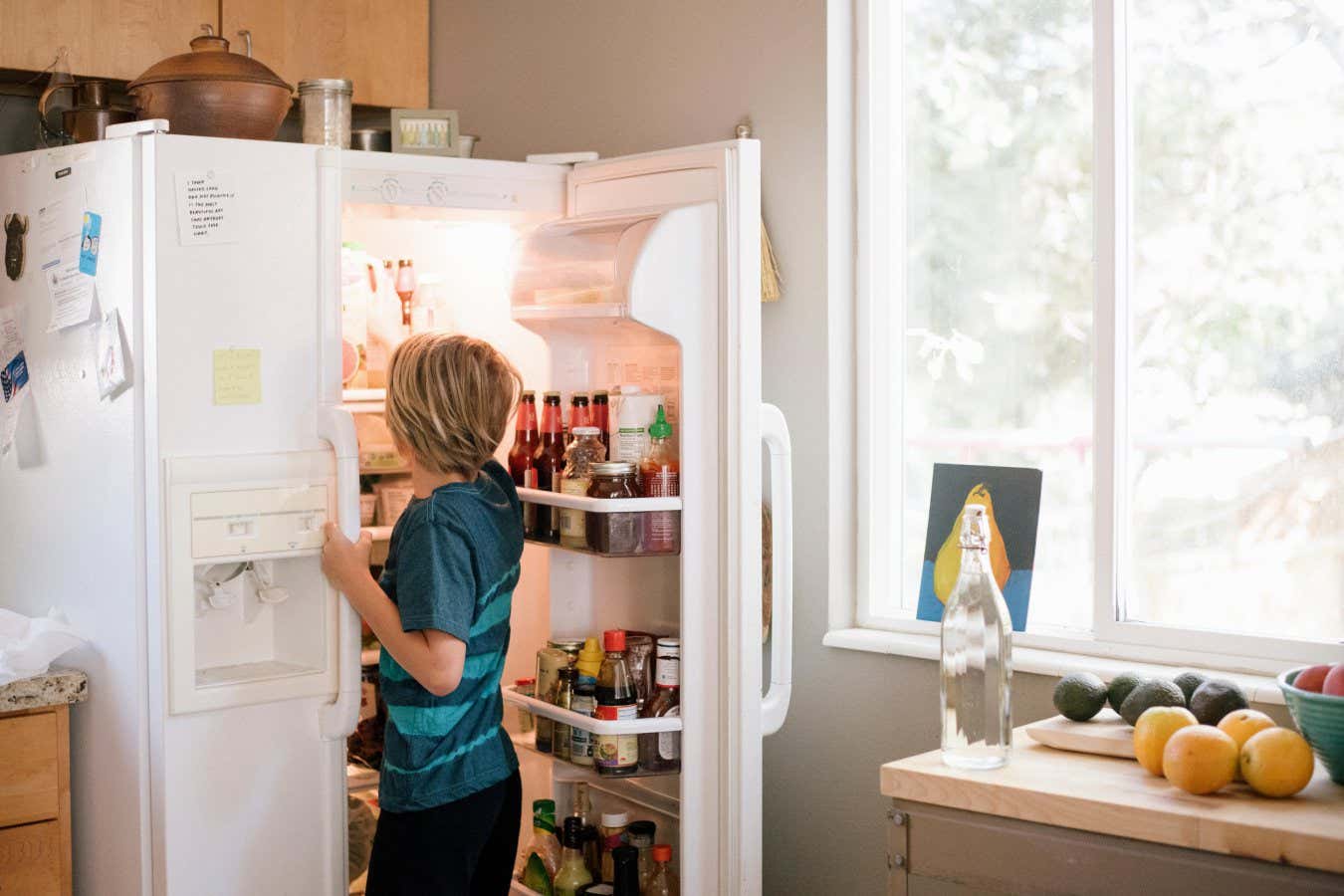
    Refrigerators and freezers typically get their cooling power from environmentally harmful fluids

    Mint Images Limited/Alamy

    A new type of crystal could enable refrigerators and air conditioners to keep us cool without warming the planet.

    Refrigerators and air conditioners get their cooling power by circulating a liquid through the device, which absorbs heat and causes chilling through a cycle of evaporation and condensation. But many such liquids contribute to the greenhouse effect, causing further warming when they leak. Now, Jenny Pringle at Deakin University in Australia and her colleagues have made a climate-friendly alternative to these liquids using “plastic crystals” – crystals with molecules that can move just enough to make them pliable.

    Under enough pressure, these plastic crystals can transform. Their molecules go from being randomly oriented to aligning themselves into a neat grid. Then, when pressure is removed, they become disordered again. As part of this disordering process, the crystals absorb heat, effectively cooling their surroundings.

    Such pressure-based cooling has been investigated before, but most materials capable of this transition could only do so at balmy temperatures, limiting their cooling power, says Pringle. In contrast, the heat-sucking ability of her team’s crystals kicks in at temperatures from -37°C (-34.6°F) to 10°C (50°F), a suitable range for household refrigerators and freezers.

    However, the new crystals are not ready to leave the lab yet. That’s because the pressures needed to make them work are very high – hundreds of times greater than atmospheric pressure and equivalent to being thousands of metres underwater, says Pringle.

    David Boldrin at the University of Glasgow, UK, says materials like those in the new study have “the potential to almost completely decarbonise this huge [cooling] industry”, but he shares the concern about the high pressures required.

    There may be another practical issue with this approach, says Bing Li at the Chinese Academy of Sciences. With every repeated use, each crystal may absorb less heat, as the grid the molecules form becomes more strained. Still, Li is optimistic and says he is confident the technology could be applied in the “near future”.

    Topics:


    Source link

    Share. Facebook Twitter Pinterest LinkedIn Tumblr Email Telegram Copy Link

    Related Posts

    Science

    Measles outbreaks can end, but the danger of the disease doesn’t

    April 30, 2026
    Science

    Simple treatment tweak drastically reduces blood loss from severe cuts

    April 29, 2026
    Science

    The chips in your phone are probably broken – and that’s a good thing

    April 29, 2026
    Science

    Chanda Prescod-Weinstein connects physics, poetry and pop culture

    April 29, 2026
    Science

    City birds appear more afraid of women than men, and scientists have no idea why

    April 29, 2026
    Science

    NASA chief Jared Isaacman hints at campaign to make Pluto a planet again

    April 29, 2026
    Editors Picks

    Will Doc Rivers’ latest comments push Giannis Antetokounmpo further out the door?

    January 29, 2026

    Takeaways from third round of Masters: Rory McIlroy’s lead disappears; Shane Lowry makes history

    April 12, 2026

    Opinion | A Simple Fix to Curb Federal Power

    February 7, 2026

    The Scale of the War in the Middle East in Five Maps

    April 5, 2026

    Hera asteroid mission takes stunning images of Mars’s moon Deimos

    March 13, 2025
    About Us
    About Us

    Welcome to Benjamin Franklin Institute, your premier destination for insightful, engaging, and diverse Political News and Opinions.

    The Benjamin Franklin Institute supports free speech, the U.S. Constitution and political candidates and organizations that promote and protect both of these important features of the American Experiment.

    We are passionate about delivering high-quality, accurate, and engaging content that resonates with our readers. Sign up for our text alerts and email newsletter to stay informed.

    Latest Posts

    Kate Middleton Doc Slammed Over ‘Working Class’ Label

    April 30, 2026

    Trump says the US is reviewing a potential reduction of its troops in Germany

    April 30, 2026

    Israeli forces raid Global Sumud Flotilla boats in international waters | Israel-Palestine conflict News

    April 30, 2026

    Subscribe for Updates

    Stay informed by signing up for our free news alerts.

    Paid for by the Benjamin Franklin Institute. Not authorized by any candidate or candidate’s committee.
    • Privacy Policy
    • About us
    • Contact us

    Type above and press Enter to search. Press Esc to cancel.