
Close Menu
    Trending
    • The ‘Stanley Cup captains since 2000’ quiz
    • The FBI just dropped its 2025 internet crime report. Here are 6 big takeaways
    • Embryos made without sperm or eggs reveal why many pregnancies fail
    • Rescuers Reach Five Miners Trapped in Laos Cave
    • South Africa AI Policy Leverage as Africa’s Test Case
    • Even Therapists Have Become A Data Mine
    • Gayle King Details Catching Her Ex-Husband Cheating
    • UFC fighting cage rises on White House lawn for bout celebrating America’s 250th anniversary
    Benjamin Franklin Institute
    Wednesday, May 27
    • Home
    • Politics
    • Business
    • Science
    • Technology
    • Arts & Entertainment
    • International
    Benjamin Franklin Institute
    Home»Technology»Meet NASA Low Outgassing Standards With Adhesives for Aerospace and Optical Systems
    Technology

    Meet NASA Low Outgassing Standards With Adhesives for Aerospace and Optical Systems

    Team_Benjamin Franklin InstituteBy Team_Benjamin Franklin InstituteMay 26, 2026No Comments3 Mins Read
    Share Facebook Twitter Pinterest Copy Link LinkedIn Tumblr Email VKontakte Telegram
    Share
    Facebook Twitter Pinterest Email Copy Link


    This sponsored article is brought to you by Master Bond.

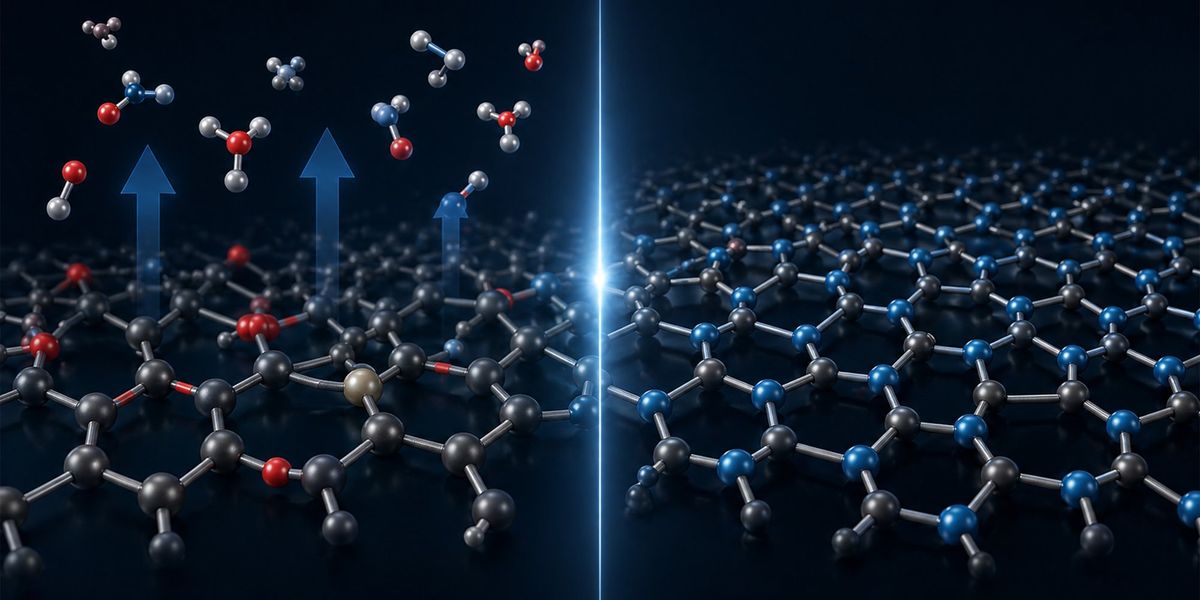
    Outgassing is the release of volatile substances from a cured adhesive over time. These released materials, which may include residual solvents, unreacted monomers, or other chemical species, can deposit on nearby surfaces, causing contamination that interferes with sensitive components.

    What Is Outgassing and How Is It Measured?

    The industry standard for measuring outgassing is ASTM E595, developed by NASA. This test exposes a cured sample to 125 °C at high vacuum (10⁻⁵ to 10⁻⁶ torr) for 24 hours, measuring Total Mass Loss (TML) and Collected Volatile Condensable Materials (CVCM). To meet NASA low outgassing requirements, materials must exhibit less than 1 percent TML and less than 0.1 percent CVCM.

    Optical assemblies need contamination-free bonding and prevention of fogging the optics to maintain clarity. High-vacuum scientific equipment, semiconductor manufacturing tools, and aerospace electronics also demand low outgassing materials.

    Key Applications

    Low outgassing adhesives are essential wherever contamination could compromise performance and this is particularly relevant for space and satellite systems. Optical assemblies, including cameras, telescopes, and laser systems, need contamination-free bonding and prevention of fogging the optics to maintain clarity.

    High-vacuum scientific equipment, semiconductor manufacturing tools, and aerospace electronics also demand low outgassing materials. Even terrestrial optical devices benefit from reduced outgassing to ensure long-term reliability.

    EP30-2 is a versatile system can be used in a variety of applications in aerospace, electronic, optical and specialty OEM industries, especially when optical clarity and low outgassing are important criteria.Master Bond

    Ensuring Low Outgassing Performance Through Proper Handling

    Achieving specified outgassing performance requires attention to storage, mixing, and curing. For two-part systems, use the correct mix ratio and mix thoroughly to ensure complete reaction. Follow recommended cure schedules — adding heat, even at modest temperatures of 150-200 °F, significantly improves cross-linking and reduces outgassing. For UV-curable adhesives, ensure complete cure by using the correct lamp wavelength (typically 365 nm), adequate intensity, and proper exposure time with no shadowed areas.

    Troubleshooting Outgassing Issues

    If contamination appears on optical surfaces or outgassing test results are higher than expected, an incomplete cure might be one of the root causes. The first step is to verify that the adhesive has fully hardened to its specified Shore hardness. The next step is to consider adding or extending heat cure to improve cross-linking.

    Master Bond Product Recommendations

    Master Bond offers a range of adhesives meeting NASA low outgassing requirements. EP30-2 and EP21TCHT-1 are some examples of two-part epoxy systems that have been successfully deployed in demanding vacuum applications, including ultra-high vacuum environments.

    For applications requiring UV cure, Master Bond provides specialty UV formulations such as UV16 meeting ASTM E595, as well as dual-cure systems (UV plus heat) such as UV22DC80-10F for assemblies where shadows prevent complete UV exposure. These dual-cure products initiate with UV light and complete curing with heat as low as 180 °F (80 °C).


    Source link

    Share. Facebook Twitter Pinterest LinkedIn Tumblr Email Telegram Copy Link

    Related Posts

    Technology

    South Africa AI Policy Leverage as Africa’s Test Case

    May 27, 2026
    Technology

    How a Cambridge Project Rescues Fading Floppy Disk Data

    May 27, 2026
    Technology

    Tech Life – Teaching in the AI world

    May 26, 2026
    Technology

    IEEE TryEngineering OnCampus Now At 7 Universities

    May 25, 2026
    Technology

    Social Engineering for Good – IEEE Spectrum

    May 25, 2026
    Technology

    AI with Model-Based Design: Virtual Sensor Modeling

    May 25, 2026
    Editors Picks

    Opinion | China Will Be Thrilled if Trump Kills America’s Green Economy

    January 23, 2025

    Don Lemon Tears Up On ‘The View’ About January Arrest

    April 3, 2026

    US seizes fifth oil tanker as Venezuela pressure campaign continues | US-Venezuela Tensions News

    January 9, 2026

    Commentary: The Greenland alarm is sounding. Europe needs to hear it

    January 6, 2026

    Google will finally let you change your embarrassing Gmail address

    December 26, 2025
    About Us
    About Us

    Welcome to Benjamin Franklin Institute, your premier destination for insightful, engaging, and diverse Political News and Opinions.

    The Benjamin Franklin Institute supports free speech, the U.S. Constitution and political candidates and organizations that promote and protect both of these important features of the American Experiment.

    We are passionate about delivering high-quality, accurate, and engaging content that resonates with our readers. Sign up for our text alerts and email newsletter to stay informed.

    Latest Posts

    The ‘Stanley Cup captains since 2000’ quiz

    May 27, 2026

    The FBI just dropped its 2025 internet crime report. Here are 6 big takeaways

    May 27, 2026

    Embryos made without sperm or eggs reveal why many pregnancies fail

    May 27, 2026

    Subscribe for Updates

    Stay informed by signing up for our free news alerts.

    Paid for by the Benjamin Franklin Institute. Not authorized by any candidate or candidate’s committee.
    • Privacy Policy
    • About us
    • Contact us

    Type above and press Enter to search. Press Esc to cancel.