

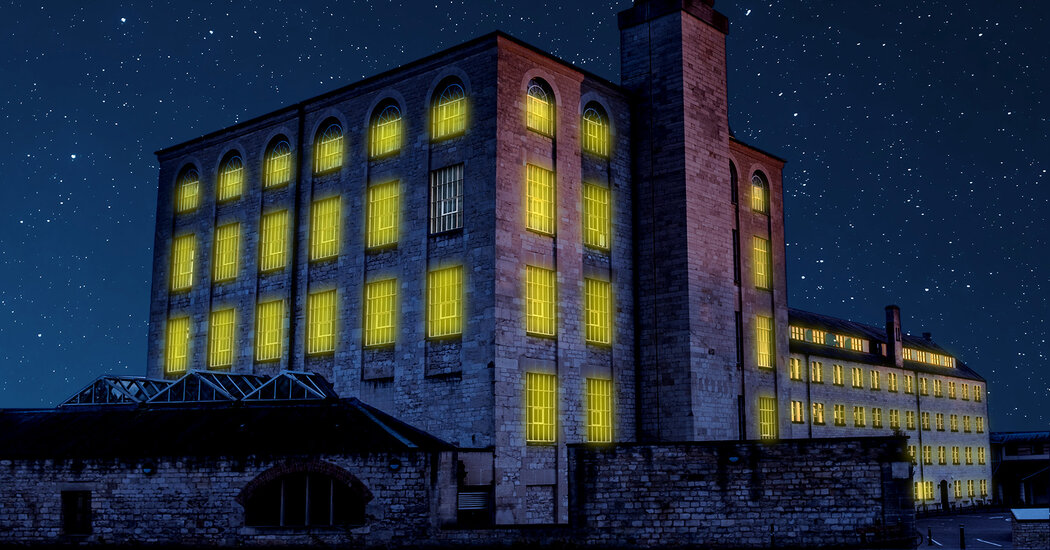
In its heyday in the mid-20th century, the steel mill in Weirton, W.Va., employed 13,000 people and offered workers a relatively stable blue-collar life. In 2003, Weirton Steel filed for bankruptcy. Shops downtown boarded up their windows, and young people moved away from the declining Appalachian town.
Weirton’s prospects were turning around in May 2023 when I made a trip there as energy secretary. Form Energy, which builds large iron-air batteries to store energy for the electric grid, had just broken ground on a 550,000-square-foot factory. Today, the production line is humming, and when the plant reaches full capacity, it will employ more than 750 people, primarily locals who were laid off from the mill.
Form Energy’s plant is one of nearly 1,000 new or expanded clean energy factories announced across the United States in the past four years, along with about 800,000 new manufacturing jobs — proof that America has begun a manufacturing renaissance.
But you can kiss that goodbye if President Trump and the new Congress roll back the laws that made it possible. Our economic competitors are lying in wait to entice companies overseas and turn our innovation into their prosperity.
The United States used to be great at building things. Around the middle of the 20th century we made half the world’s steel and half the world’s cars. By the 1970s, more Americans held manufacturing jobs than ever before.
Then, other countries started poaching our technology. They lured companies abroad with free capital and cheap labor. Back in America, policymakers stuck to their laissez-faire guns. If employers wanted to move production offshore, who were we to question the free market? But our economic competitors weren’t playing by the same rules. The free market didn’t take our jobs; China and Mexico did, by tempting companies with financial incentives.
By the time I became Michigan’s governor in 2003, many workers who had started their careers making the world’s best cars ended their careers without a pension — sometimes even training their replacements overseas before handing in their identification badges. Around 60,000 American factories shut down between 2001 and 2011.
There should be no confusion about why new factories are opening again: America is finally playing hardball with its economic competitors. Former President Joe Biden enacted three laws — the Bipartisan Infrastructure Law, the CHIPS and Science Act and the Inflation Reduction Act — which created tax credits, grants and loans to make it cost effective to build American products on American soil with American workers. That’s especially true of clean energy technologies like solar panels and batteries.
Form Energy received a grant from the Bipartisan Infrastructure Law to help build its factory. It will also claim tax credits through the Inflation Reduction Act for producing batteries. Over the next decade, our clean energy laws could add almost $2 trillion to the U.S. economy.
Yet Mr. Trump seems poised to roll back the very incentives that are reviving American manufacturing. He has promised to kill an electric vehicle tax credit that has helped save auto factories, including in my home state. On his first day in office, he signed an executive order declaring an emergency need for more energy, which he defines almost exclusively as oil and gas. There is no mention of solar, which is generating thousands of new manufacturing jobs and was our largest new source of energy capacity last year.
This is a risky economic strategy. Other governments are waiting with bated breath for us to pare back our grants, loans and tax credits so they can use the same tools to sweet-talk the next generation of factories to their shores.
Consider electric vehicles: It’s no secret China wants to dominate the global market. Today, it accounts for more than half the world’s electric vehicle production. But over 450 electric vehicle battery companies have announced they are moving to America or expanding factories here since the passage of the Inflation Reduction Act — many of them leaving China to do so. It would be a national embarrassment to cede this entire industry back.
And we stand to lose more than jobs or pride. The United States’ electricity demand will grow 15 percent over the next decade because of new data centers, factories and transportation. If the Trump administration forces the loss of wind, solar and other clean energy jobs, we’ll lose access to the technologies that help make up our energy mix. Monthly utility bills will rise, and brownouts and blackouts will become regular experiences.
The administration is also deluding itself if it believes “drill, baby, drill” will create a jobs boom. The United States is already the world’s largest oil producer and gas exporter. A combination of tepid oil prices and subdued market demand has left many industry leaders weary of making major investments to increase output.
The politics of presidential transitions are delicate. Incoming administrations want to turn the page, but some policies, and some people, ought to be exempt from this tug of war. I think of the autoworkers in Michigan and the steelworkers in West Virginia — skilled women and men left asking if America still has use for their talents. It took us too long to respond, but because of these new manufacturing laws, we can finally say yes.
Securing the next generation of U.S. manufacturing jobs will require strong government and private-sector partnerships and continued investment in domestic clean energy production. When we flipped off the lights in our offices on Monday, we left the next occupants a plan for success — already in motion. It will be up to them to decide if they want to make the most of it.