
Close Menu
    Trending
    • Europe Explores Wealth Taxes, Capital Taxes, And Exit Taxes
    • Pete Davidson’s Relationship Tested After Baby Arrival
    • Riot erupts over Australian Indigenous girl’s suspected killer, authorities urge calm
    • Oil prices rise again with little sign of war on Iran ending | Oil and Gas News
    • Dystany Spurlock to become first Black woman to compete in NASCAR
    • Opinion | What if Your Waymo or Tesla Hallucinates?
    • Uber wants to be your travel agent, concierge, and personal shopper next
    • Your oral microbiome could affect your weight, liver and diabetes risk
    Benjamin Franklin Institute
    Friday, May 1
    • Home
    • Politics
    • Business
    • Science
    • Technology
    • Arts & Entertainment
    • International
    Benjamin Franklin Institute
    Home»Science»We’re getting closer to growing a brain in a lab dish
    Science

    We’re getting closer to growing a brain in a lab dish

    Team_Benjamin Franklin InstituteBy Team_Benjamin Franklin InstituteJanuary 28, 2026No Comments3 Mins Read
    Share Facebook Twitter Pinterest Copy Link LinkedIn Tumblr Email VKontakte Telegram
    Share
    Facebook Twitter Pinterest Email Copy Link


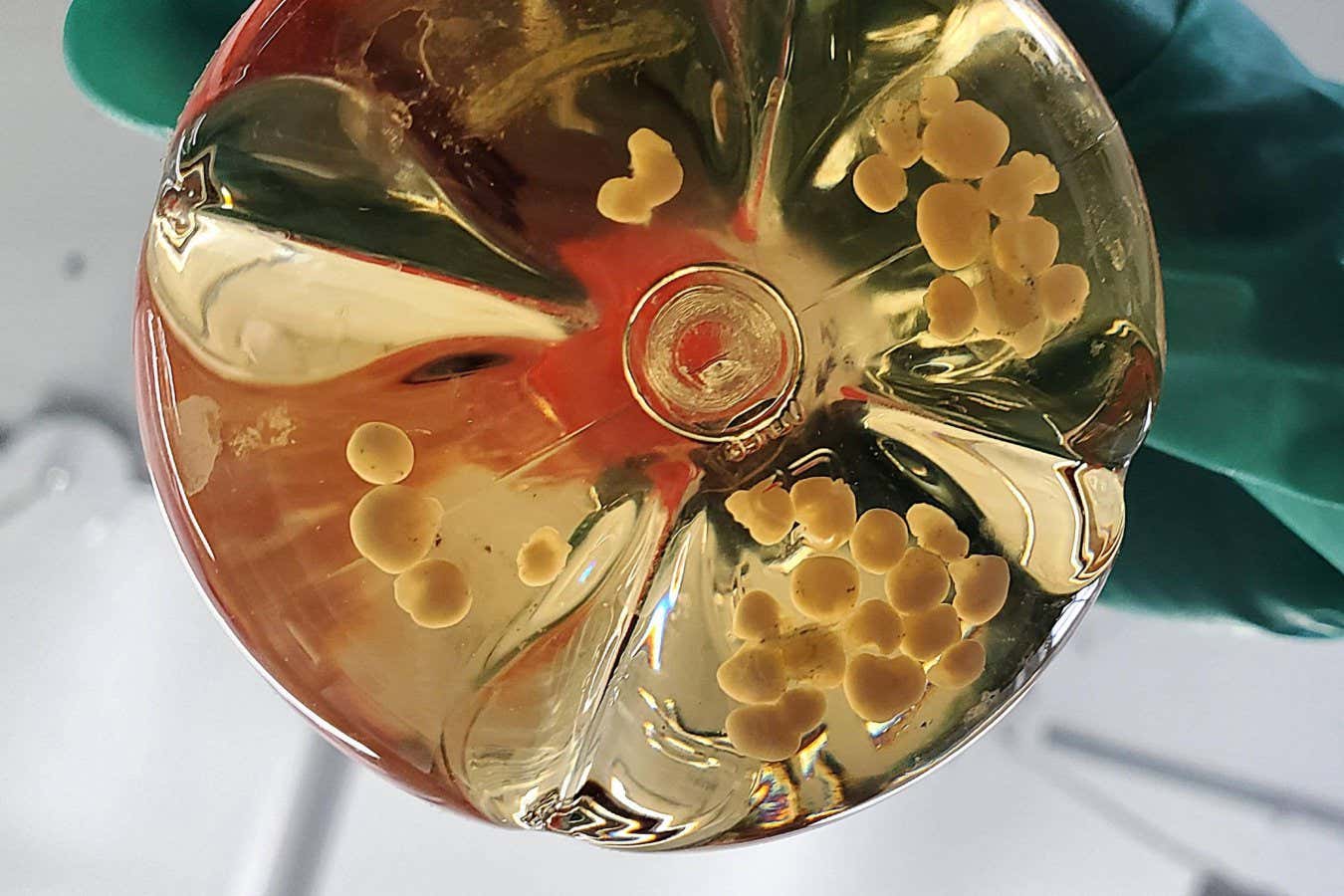
    Most brain organoids lack blood cells, limiting their use

    Imago/Alamy

    A tiny version of the developing cerebral cortex – a brain region involved in thinking, memory and problem-solving – has been grown in a lab dish, with a system of blood vessels that closely resembles the real thing. This clump of cells is one of the most detailed brain organoids created to date, and will deepen our understanding of the brain.

    Brain organoids, sometimes called “mini-brains”, are typically grown in lab dishes by bathing stem cells in a mixture of chemical cues, which coax them to form balls of cells. Since they were first created in 2013, these cerebral structures – which resemble fetal or newborn brains – have provided fresh insights into conditions such as autism, schizophrenia and dementia.

    But organoids have one big flaw: they typically start dying after a few months. That’s because, while full-sized brains are equipped with a network of blood vessels to transport oxygen and nutrients, brain organoids can absorb these only from the dish in which they are grown, starving the innermost cells. This limits their size and complexity, and how well they resemble the developing brain. “It’s a very big problem,” says Lois Kistemaker at the University Medical Centre Utrecht Brain Centre in the Netherlands.

    To address this, Ethan Winkler at the University of California, San Francisco, and his colleagues grew human stem cells in lab dishes for two months to produce what they call “cortical organoids”, because they mimic the developing cerebral cortex. Separately, they grew organoids composed of blood vessel cells, and placed two of these at opposite ends of each cortical organoid. A couple of weeks later, the blood vessels had spread evenly throughout the miniature brains.

    Crucially, by imaging the organoids, the researchers revealed that the blood vessels had a hollow centre, or lumen, highly similar to that found in the brain. “The demonstration of vascular networks with lumens like you would find in actual blood vessels is impressive,” says Madeline Lancaster at the University of Cambridge, who first developed brain organoids. “It’s a major step.”

    Previous efforts to introduce blood vessels to brain organoids have failed to reproduce this important detail, and have typically seen the vessels spread unevenly throughout the organoids. What’s more, compared with prior attempts, the vessels in this new experiment seemed to more closely resemble the physical properties and genetic activity of those found in real developing brains, forming an improved “blood-brain barrier” – the boundary that usually protects the brain from invading pathogens, while enabling nutrients and waste products to pass through, says Kistemaker.

    Together, the findings suggest the vessels stand a better chance of transporting nutrient fluid to keep the organoids alive, says Lancaster. “To have truly functional [blood vessels], they would need a way to continuously pump blood through, like the heart does, and it would need to be in a directional manner, so fresh oxygenated blood – or a blood-like substitute – entering while deoxygenated blood is taken away,” says Lancaster. “We are still a long way from that,” she says.

    Topics:


    Source link

    Share. Facebook Twitter Pinterest LinkedIn Tumblr Email Telegram Copy Link

    Related Posts

    Science

    Your oral microbiome could affect your weight, liver and diabetes risk

    May 1, 2026
    Science

    The best new science fiction books of May 2026 include a new Murderbot and books from Alan Moore and Ann Leckie

    May 1, 2026
    Science

    Weird ‘transdimensional’ state of matter is neither 2D nor 3D

    May 1, 2026
    Science

    ‘Green’ cryptocurrency uses 18 times more energy than makers claim

    April 30, 2026
    Science

    The rich but complicated legacy of genome pioneer Craig Venter

    April 30, 2026
    Science

    Doubts cast over ‘wild’ claim that magnetic control can turn on genes

    April 30, 2026
    Editors Picks

    Catherine Zeta-Jones Reveals Her Social Circle Preference

    February 4, 2026

    Kyle Whittingham seems like slam dunk hire for Michigan

    December 26, 2025

    Turkish school shooter used image referencing 2014 US mass killer, police say

    April 16, 2026

    Scheffler nails three eagles in near-comeback attempt at Pebble Beach

    February 16, 2026

    Trump threatens more strikes on Iran’s Kharg Island

    March 15, 2026
    About Us
    About Us

    Welcome to Benjamin Franklin Institute, your premier destination for insightful, engaging, and diverse Political News and Opinions.

    The Benjamin Franklin Institute supports free speech, the U.S. Constitution and political candidates and organizations that promote and protect both of these important features of the American Experiment.

    We are passionate about delivering high-quality, accurate, and engaging content that resonates with our readers. Sign up for our text alerts and email newsletter to stay informed.

    Latest Posts

    Europe Explores Wealth Taxes, Capital Taxes, And Exit Taxes

    May 1, 2026

    Pete Davidson’s Relationship Tested After Baby Arrival

    May 1, 2026

    Riot erupts over Australian Indigenous girl’s suspected killer, authorities urge calm

    May 1, 2026

    Subscribe for Updates

    Stay informed by signing up for our free news alerts.

    Paid for by the Benjamin Franklin Institute. Not authorized by any candidate or candidate’s committee.
    • Privacy Policy
    • About us
    • Contact us

    Type above and press Enter to search. Press Esc to cancel.