
Close Menu
    Trending
    • AI search demands a new audience playbook
    • How do earthquakes end? A seismic ‘stop sign’ could help predict earthquake risk
    • Trump Announces Cease-Fire Between Israel and Lebanon
    • Google Is Tracking Your Life – Photo Cloud Feeding AI System
    • Rachel Zoe Confronts Amanda Frances In ‘RHOBH’ Reunion Clip
    • China’s DeepSeek says it released long-awaited new AI model
    • China’s DeepSeek unveils latest models a year after upending global tech | Technology News
    • Malik Nabers’ reaction to Cowboys drafting Caleb Downs should thrill Dallas fans
    Benjamin Franklin Institute
    Friday, April 24
    • Home
    • Politics
    • Business
    • Science
    • Technology
    • Arts & Entertainment
    • International
    Benjamin Franklin Institute
    Home»International»What is the chicken ick phenomenon — and why does it happen?
    International

    What is the chicken ick phenomenon — and why does it happen?

    Team_Benjamin Franklin InstituteBy Team_Benjamin Franklin InstituteApril 7, 2026No Comments3 Mins Read
    Share Facebook Twitter Pinterest Copy Link LinkedIn Tumblr Email VKontakte Telegram
    Share
    Facebook Twitter Pinterest Email Copy Link


    If you’ve ever found yourself happily eating a meal, only to suddenly feel repulsed halfway through, you’re not alone.

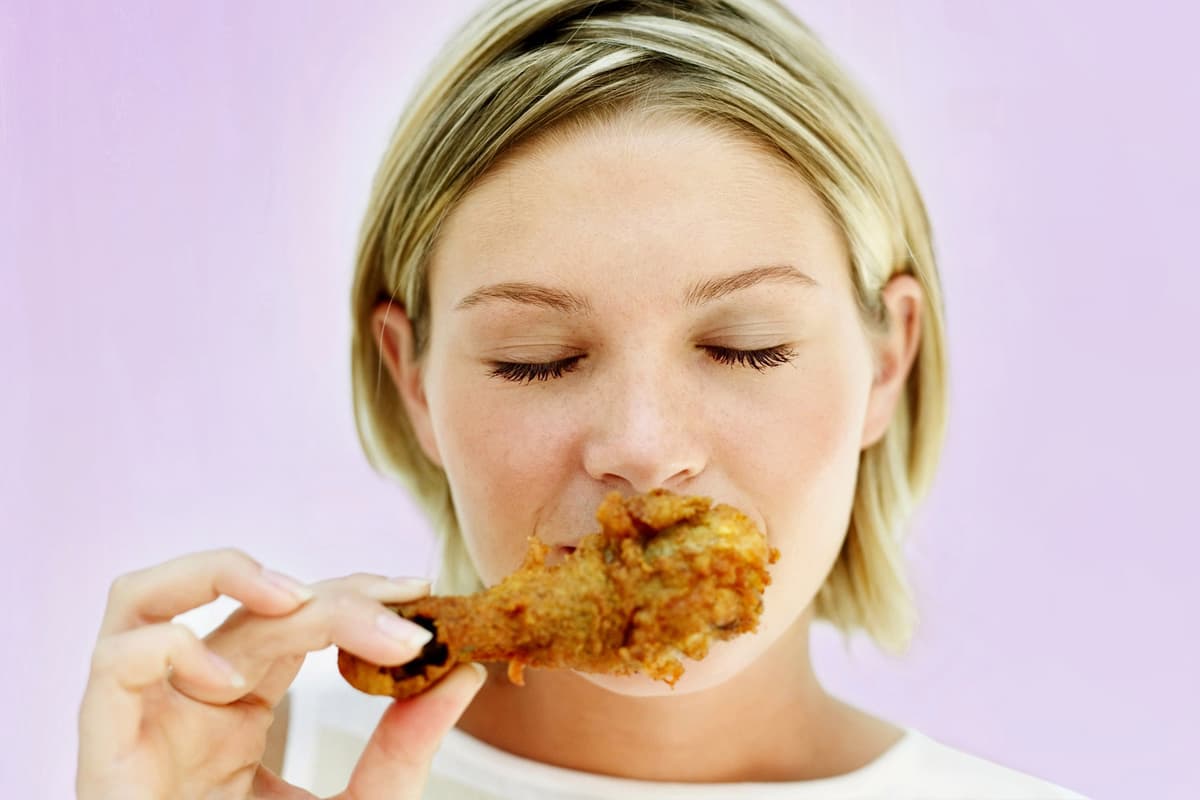
    A growing number of people have taken to social media to describe exactly this experience with chicken, dubbing it the “chicken ick”.

    And it’s not limited to poultry; eggs and other once-loved foods can trigger the same reaction.

    So what’s actually going on?

    According to Lorenzo Stafford, an associate professor in psychobiological psychology at the University of Portsmouth, the answer lies in how our brains process disgust.

    “When it comes to the ‘ick’ it’s all about how we deal with our disgust response,” he wrote on The Conversation.

    “There are a number of reasons why you might suddenly become ‘weird’ about a food that you used to be fine with.”

    In other words, the “chicken ick” isn’t random — it’s psychological.

    Why do you get the chicken ick?

    One of the most common triggers is a subtle change in how food looks, smells or tastes. Even a slight difference can disrupt expectations.

    “Maybe one time you noticed your chicken tasted, smelled or looked different than it did other times,” Dr Stafford explains. “This can lead to a mismatch in what’s expected, which can cause your feelings towards that food to suddenly change.”

    Preparation matters, too. A new seasoning, a different cooking method, or even a slightly altered texture can be enough to tip the balance from appetising to off-putting.

    But the causes aren’t always on the plate.

    Context plays a surprisingly powerful role. “Another possible reason has to do with what you were doing before you got the ‘ick’,” he says. “If you were scrolling on social media looking at unappetising meals before starting to cook your own meal, this can influence the way you subsequently feel about your own food.”

    Even the reactions of others can rub off. Watching someone else grimace, even subtly, can trigger your own disgust response.

    Pexels

    There are also broader influences at play. Hunger levels, individual sensitivity, and even gender can affect how strongly someone experiences this sudden aversion.

    The good news? The “chicken ick” isn’t permanent.

    Dr Stafford suggests changing how the food is prepared as a first step. “Your disgust might be linked to the specific way the food was prepared,” he says. Trying a new recipe, switching cuts, or altering flavours can help break the association.

    If handling raw chicken is the issue, outsourcing the task may help. “This might make it easier for you to eat the cooked dish… or buy pre-cooked options from the supermarket that only need to be reheated.”

    The key, he explains, is removing the triggers that caused the reaction in the first place, essentially giving your brain a reset.

    If that doesn’t work, it may take a little longer. “In this case, it could take a little more time to retrain yourself,” he says. Positive associations can help: pairing the food with something enjoyable, like music or a favourite side dish, or even changing the plate you eat from.

    “By repeating this a number of times, you’ll condition yourself to the pleasant response – and will hopefully be over your chicken ‘ick’.”

    So next time your dinner suddenly turns against you, don’t panic, it might just be your brain trying to protect you, even if it’s a little overzealous.


    Source link

    Share. Facebook Twitter Pinterest LinkedIn Tumblr Email Telegram Copy Link

    Related Posts

    International

    Trump Announces Cease-Fire Between Israel and Lebanon

    April 24, 2026
    International

    Top Condom Producer to Increase Prices Due to War in Iran

    April 23, 2026
    International

    Ice Sculpture Promoting Drake Album Melted by Fire Crews

    April 22, 2026
    International

    Quiz: Can You Tell Real British Insults From Fakes?

    April 22, 2026
    International

    How China Is Building Its Next Outpost at Sea

    April 22, 2026
    International

    Keir Starmer Addresses Parliament on Mandelson Vetting Process

    April 20, 2026
    Editors Picks

    High-achieving adults rarely began as child prodigies

    December 21, 2025

    Engineering Challenges and Component Strategies in Humanoid Robotics: From Prototype to Production

    March 19, 2026

    Trump prepares to sign ‘big, beautiful bill’

    July 4, 2025

    The ‘MLB 2025 multi-hit game leaders’ quiz

    March 31, 2026

    What to Know About Trump’s Antitrust Efforts Against Tech Giants

    April 14, 2025
    About Us
    About Us

    Welcome to Benjamin Franklin Institute, your premier destination for insightful, engaging, and diverse Political News and Opinions.

    The Benjamin Franklin Institute supports free speech, the U.S. Constitution and political candidates and organizations that promote and protect both of these important features of the American Experiment.

    We are passionate about delivering high-quality, accurate, and engaging content that resonates with our readers. Sign up for our text alerts and email newsletter to stay informed.

    Latest Posts

    AI search demands a new audience playbook

    April 24, 2026

    How do earthquakes end? A seismic ‘stop sign’ could help predict earthquake risk

    April 24, 2026

    Trump Announces Cease-Fire Between Israel and Lebanon

    April 24, 2026

    Subscribe for Updates

    Stay informed by signing up for our free news alerts.

    Paid for by the Benjamin Franklin Institute. Not authorized by any candidate or candidate’s committee.
    • Privacy Policy
    • About us
    • Contact us

    Type above and press Enter to search. Press Esc to cancel.