

Maritime traffic in the Strait of Hormuz – through which 20 per cent of global crude and gas passes – has all but halted since the war began on Feb 28.
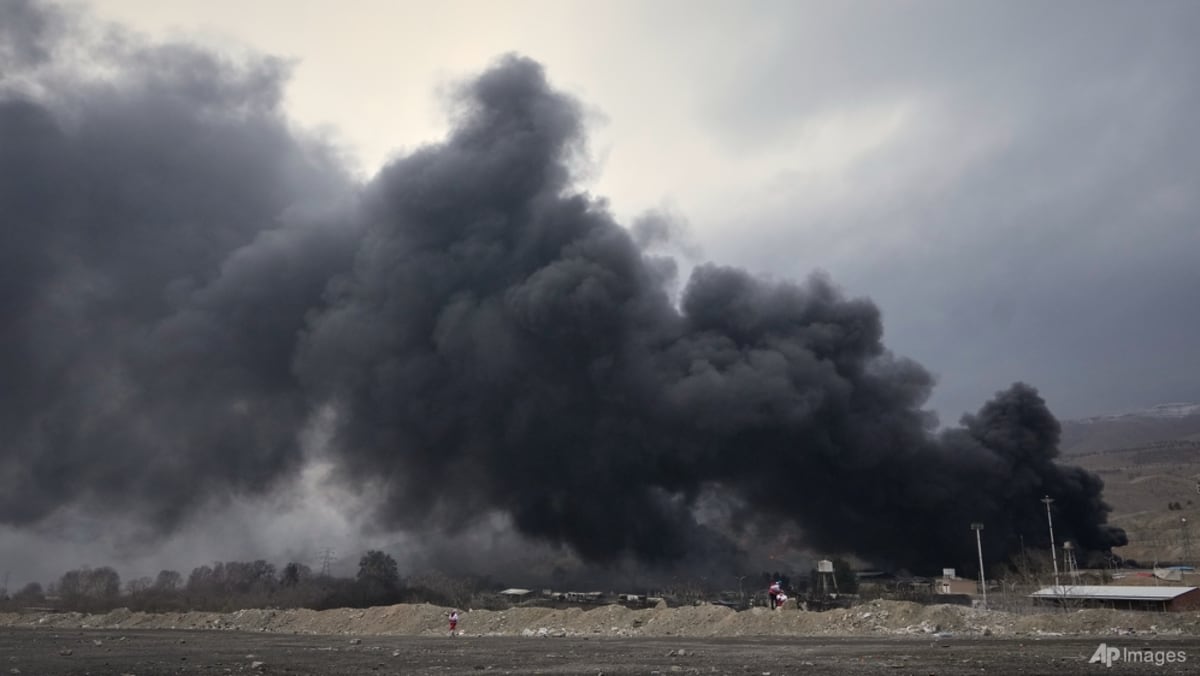
Oil and gas producers around the Gulf have meanwhile begun to decrease output, while Israeli strikes on fuel depots in Tehran have raised fears of retaliatory attacks on neighbouring countries’ infrastructure.
Soaring crude prices have already translated into rising costs at the fuel pump in the United States, a highly sensitive political issue heading into midterm elections in November.
“NO ENERGY SHORTAGE”
Earlier Sunday, Trump’s energy chief Chris Wright argued that disruptions would be short-lived.
“Worst case, that’s a few weeks. That’s not months,” the US energy secretary told CNN.
“They shouldn’t go much higher than they are here because the world is very well supplied with oil,” he added to CBS. “There’s no energy shortage in all of the Western hemisphere.”
He said the United States was now talking with shipping companies eager to get their vessels out of the Gulf.
“Early tankers probably will involve some direct protection by the US military” to get through the Strait of Hormuz, he said, adding that he thought traffic would return to normal “relatively soon”.