
Close Menu
    Trending
    • Law enforcement says eight killed by avalanche in California mountains | Weather News
    • The ‘NFL season passing leader by team’ quiz
    • Margot Robbie’s hot take on filmmaking goes viral as critics slam her latest movie ‘Wuthering Heights’
    • Prolonged grief disorder: Why some people cannot move on from the death of a loved one
    • Ingestible Electronics Are Turning Pills Into Devices
    • Why NYC Is The Most Corrupt Court Perhaps In The World
    • Mandy Moore Gushes About Aligned ‘Values’ With Hilary Duff
    • Environmental groups sue Trump administration over dismantled climate rule
    Benjamin Franklin Institute
    Wednesday, February 18
    • Home
    • Politics
    • Business
    • Science
    • Technology
    • Arts & Entertainment
    • International
    Benjamin Franklin Institute
    Home»Science»The world is on track for between 1.9 and 3.7°C of warming by 2100
    Science

    The world is on track for between 1.9 and 3.7°C of warming by 2100

    Team_Benjamin Franklin InstituteBy Team_Benjamin Franklin InstituteJanuary 26, 2025No Comments2 Mins Read
    Share Facebook Twitter Pinterest Copy Link LinkedIn Tumblr Email VKontakte Telegram
    Share
    Facebook Twitter Pinterest Email Copy Link


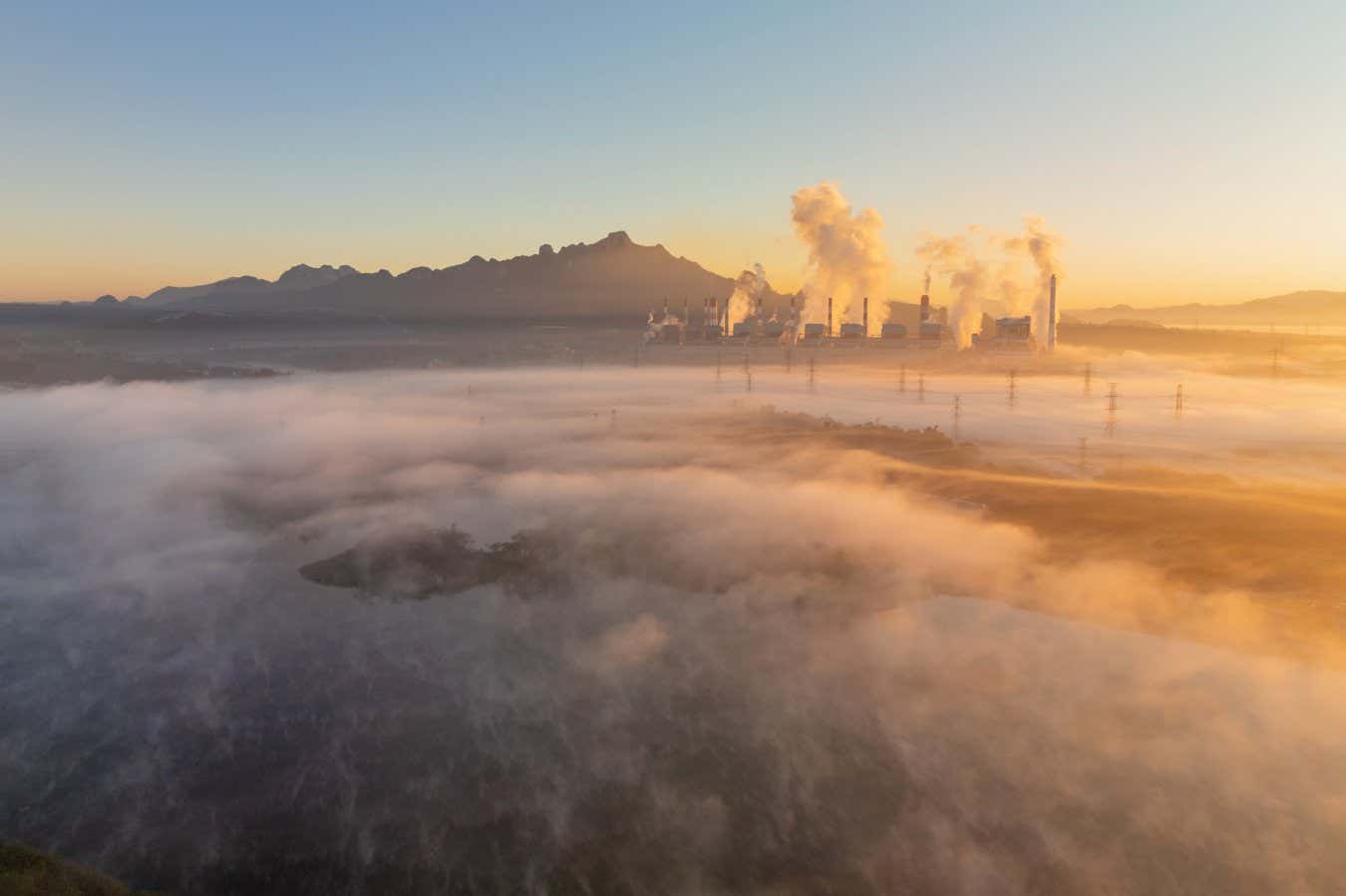
    Coal power plants contribute to global warming

    Walaiporn Sangkeaw

    Current policies of governments around the world are likely to result in Earth warming by anywhere between 1.9 and 3.7°C by 2100, with potentially more to come in the 22nd century.

    “Every year we keep emitting CO2 after 2100 results in higher and higher global temperatures,” says Zeke Hausfather, a climate scientist at Stripe, a California-based software company that invests in carbon-removal technology.

    His conclusions are based on a review of more than a dozen studies published in the past five years looking at the implications of current policies. According to these studies, the world is most likely to warm by between 2.3 and 3°C by 2100.

    However, these numbers don’t fully take account of the uncertainties about future emissions of greenhouse gases as a result of human actions, and also in how the climate system will respond to those emissions. Including those uncertainties gives a broader range, of 1.9 to 3.7°C.

    These numbers reflect the most likely range of scenarios – the 5th to 95th percentiles – meaning there is a small chance of warming of as much as 4.4°C this century with current policies.

    The good news is that all the recent studies agree that very high emission scenarios are now unlikely. In these, more than 4°C of warming before 2100 would be the most likely outcome.

    This is partly because the worst-case scenarios considered by climate scientists weren’t that plausible in the first place, says Hausfather, but it also reflects real progress in limiting emissions growth, with coal use now plateauing.

    If climate policies are strengthened and technological advances continue to exceed expectations, future emissions could be even lower than envisaged in these studies – but this isn’t guaranteed, and the rise of energy-hungry technologies like artificial intelligence could do the opposite.

    “It’s definitely possible to envision a world where AI rapidly accelerates and drives near-term emissions increases beyond what we think will happen today,” says Hausfather.

    But he doesn’t think AI-related emissions will make a huge difference in the long run. “It’s certainly not in line with rapid emissions reductions, but hard to see it by itself putting us on track for a significantly different end-of-century outcome,” says Hausfather.

    Topics:


    Source link

    Share. Facebook Twitter Pinterest LinkedIn Tumblr Email Telegram Copy Link

    Related Posts

    Science

    Prolonged grief disorder: Why some people cannot move on from the death of a loved one

    February 18, 2026
    Science

    EPA faces lawsuits over climate endangerment finding withdrawal

    February 18, 2026
    Science

    What Is VO₂ max? Why it matters for winter Olympians and regular people

    February 18, 2026
    Science

    How does type 1 diabetes actually work?

    February 18, 2026
    Science

    Giant viruses may be more alive than we thought

    February 18, 2026
    Science

    Scientists want to put a super laser on the moon

    February 18, 2026
    Editors Picks

    Opinion | James Talarico Gives JD Vance a Bible Lesson

    January 14, 2026

    Reddit files lawsuit against Australia’s social media ban

    December 12, 2025

    These 5 diets could add years to your life even if you have bad genes

    February 13, 2026

    Judge Frank Caprio’s death leaves mourners remembering his compassion that drew many online fans

    August 29, 2025

    Tim Cook calls for deescalation but avoids criticizing Trump after Minneapolis death

    January 28, 2026
    About Us
    About Us

    Welcome to Benjamin Franklin Institute, your premier destination for insightful, engaging, and diverse Political News and Opinions.

    The Benjamin Franklin Institute supports free speech, the U.S. Constitution and political candidates and organizations that promote and protect both of these important features of the American Experiment.

    We are passionate about delivering high-quality, accurate, and engaging content that resonates with our readers. Sign up for our text alerts and email newsletter to stay informed.

    Latest Posts

    Law enforcement says eight killed by avalanche in California mountains | Weather News

    February 18, 2026

    The ‘NFL season passing leader by team’ quiz

    February 18, 2026

    Margot Robbie’s hot take on filmmaking goes viral as critics slam her latest movie ‘Wuthering Heights’

    February 18, 2026

    Subscribe for Updates

    Stay informed by signing up for our free news alerts.

    Paid for by the Benjamin Franklin Institute. Not authorized by any candidate or candidate’s committee.
    • Privacy Policy
    • About us
    • Contact us

    Type above and press Enter to search. Press Esc to cancel.