
Close Menu
    Trending
    • Ukraine & Zelensky’s Ultimate Corruption
    • John Stamos Reveals Why He Will ‘Never’ Be On ‘DWTS’
    • Nominations open in the contest to be UK leader, with Andy Burnham likely the only candidate
    • Former US Olympian pleads not guilty in DC reflecting pool vandalism case | Donald Trump News
    • Insider reveals LeBron James’ potential decision date
    • What I Learned About SEO From Watching Others Get It Wrong
    • A worm that lived half a billion years ago preferred turning right
    • Ofcom fines porn site provider £630,000 over failed age checks
    Benjamin Franklin Institute
    Thursday, July 9
    • Home
    • Politics
    • Business
    • Science
    • Technology
    • Arts & Entertainment
    • International
    Benjamin Franklin Institute
    Home»Science»The allergy culprit histamine also boosts our memory
    Science

    The allergy culprit histamine also boosts our memory

    Team_Benjamin Franklin InstituteBy Team_Benjamin Franklin InstituteJuly 9, 2026No Comments3 Mins Read
    Share Facebook Twitter Pinterest Copy Link LinkedIn Tumblr Email VKontakte Telegram
    Share
    Facebook Twitter Pinterest Email Copy Link


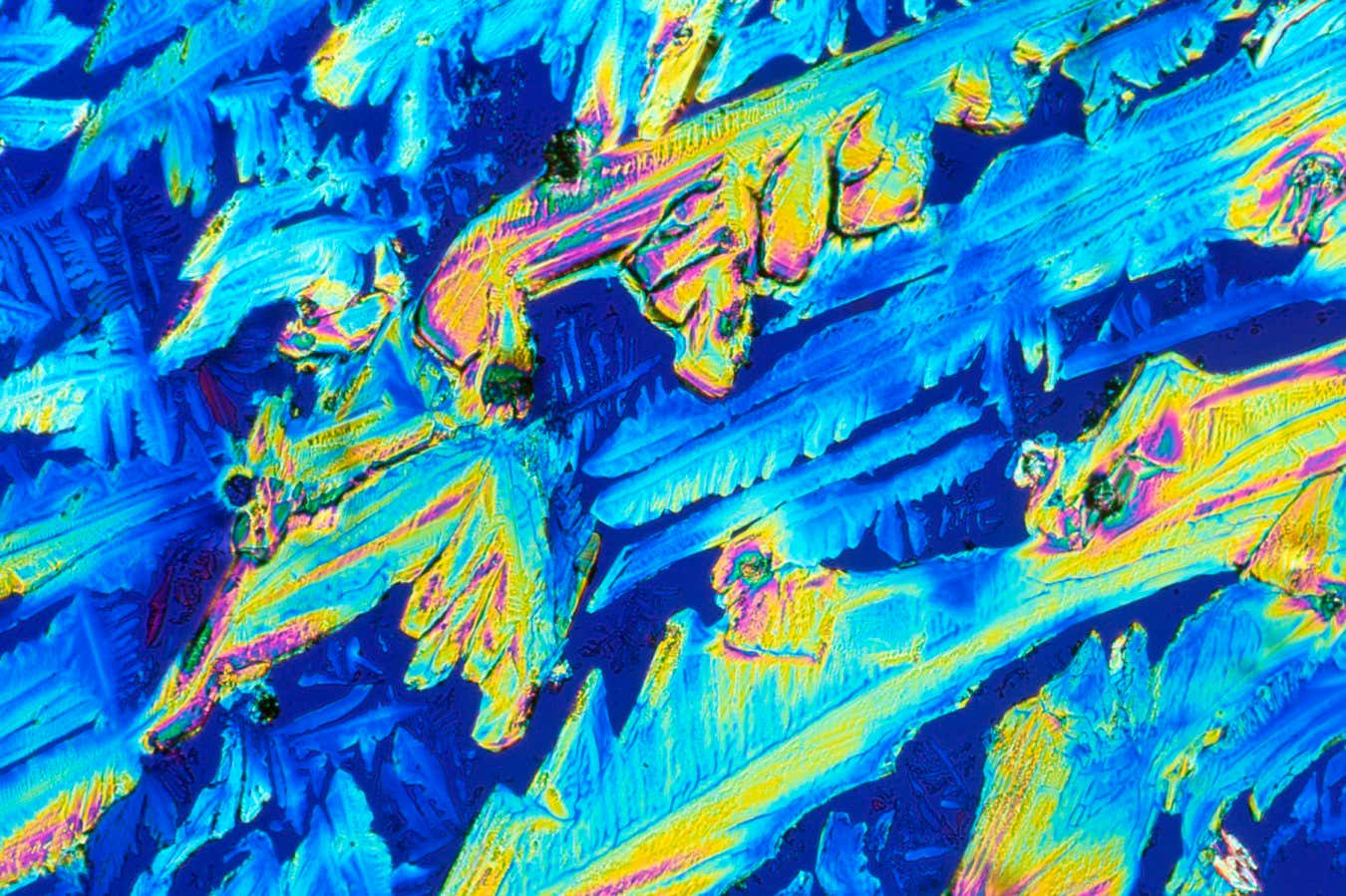
    Polarised light micrograph of crystals of the chemical histamine

    ALFRED PASIEKA/SCIENCE PHOTO LIBRARY

    In most of the body, histamine triggers an immune response, as people with hay fever know only too well. But in the brain, it seems to have a completely different role, with a small experiment demonstrating that boosting histamine levels improves the accuracy of our memory by around 10 per cent.

    “We think it’s changing something called novelty-linked arousal,” says Michael Colwell at the University of Oxford. “So, how alert we feel when we see new things in the environment.”

    It’s long been known that there are receptors in the brain for detecting histamine. “They are densely packed around areas of the brain which are involved in learning and memory,” says Colwell. Animal studies support the idea that histamine is involved in learning.

    This might explain some of the memory-related side effects of early antihistamine drugs, says Colwell. “A lot of those older ones got into the brain,” he says. “They would have made people less able to remember things, which you often see when people were taking those antihistamines for a long time.”

    But what happens if the levels of histamine in the brain increase? There hadn’t been a way of testing this in people, but Colwell and his colleagues realised an existing drug used to treat narcolepsy, called pitolisant, has this effect. It binds to what are known as histamine 3 receptors and raises the molecule’s levels throughout the brain, he says.

    To put it to the test, his team recruited 60 volunteers and gave half of them pitolisant and half a placebo. They then imaged their brains in an MRI scanner while they did various memory tests. The scans showed that in those given pitolisant, there was greater connectivity between the parts of the brain where histamine is made and the hippocampus, an area involved in memory. These people were also 11 per cent more accurate in retrieving information learned while they were in the scanner.

    But it would be a mistake to try to use pitolisant as a “smart drug”, says Colwell. “I would imagine it’s going to really affect sleep, and that’s going to make your memory much worse in the long term.”

    Roland Seifert at Hannover Medical School in Germany says there’s little danger of pistolisant being abused as a smart drug, as it should be very difficult for people to get hold of. He adds that the findings confirm that the results in non-human animals apply to people, too, and that this may boost interest in treating various brain conditions by targeting histamine receptors.

    People who take pitolisant to help treat narcolepsy or a genetic condition called Prader-Willi syndrome have previously reported improved attention and alertness, says Holger Stark at Heinrich Heine University in Düsseldorf, Germany, who helped create the drug. “A recurring finding has been that pitolisant can help restore impaired cognitive function and improve attention when these are compromised by disease,” he says. “In most cases, however, the effect has been to normalise impaired function rather than to enhance cognition beyond normal levels.”

    The fact that histamine has two such different effects in the body also shows how evolution repurposes things. “I think the bigger picture is that this shows how economical the human body is,” says Colwell.

    Topics:


    Source link

    Share. Facebook Twitter Pinterest LinkedIn Tumblr Email Telegram Copy Link

    Related Posts

    Science

    A worm that lived half a billion years ago preferred turning right

    July 9, 2026
    Science

    The 4 best science-fiction shows of 2026 so far

    July 9, 2026
    Science

    A surprisingly detailed look at the physics of a lugworm’s poop

    July 9, 2026
    Science

    Does time come from the entire universe running computations?

    July 9, 2026
    Science

    Seeding clouds with seawater could prevent a super El Niño

    July 8, 2026
    Science

    Lambs born via IVF using highly immature eggs in major breakthrough

    July 8, 2026
    Editors Picks

    Broncos HC Sean Payton delivers encouraging Bo Nix update

    June 21, 2026

    October Layoffs Reach 22-Year High In US

    November 10, 2025

    Scientists just built a powerful AI computer worm that learns as it spreads

    June 8, 2026

    There’s a new rotisserie chicken champion. Here’s who dethroned Costco

    July 2, 2026

    Bulls’ play-in loss should make them regret their trade deadline decisions

    April 17, 2025
    About Us
    About Us

    Welcome to Benjamin Franklin Institute, your premier destination for insightful, engaging, and diverse Political News and Opinions.

    The Benjamin Franklin Institute supports free speech, the U.S. Constitution and political candidates and organizations that promote and protect both of these important features of the American Experiment.

    We are passionate about delivering high-quality, accurate, and engaging content that resonates with our readers. Sign up for our text alerts and email newsletter to stay informed.

    Latest Posts

    Ukraine & Zelensky’s Ultimate Corruption

    July 9, 2026

    John Stamos Reveals Why He Will ‘Never’ Be On ‘DWTS’

    July 9, 2026

    Nominations open in the contest to be UK leader, with Andy Burnham likely the only candidate

    July 9, 2026

    Subscribe for Updates

    Stay informed by signing up for our free news alerts.

    Paid for by the Benjamin Franklin Institute. Not authorized by any candidate or candidate’s committee.
    • Privacy Policy
    • About us
    • Contact us

    Type above and press Enter to search. Press Esc to cancel.