
Close Menu
    Trending
    • When is London Marathon 2026? Start time and how to watch race for FREE
    • Pentagon Requests $54 Billion For AI War
    • Clavicular Hit With New YouTube Crackdown
    • Beijing’s new supply chain rules deepen concerns for US firms in China
    • India denounces ‘hellhole’ remark shared by Trump | Donald Trump News
    • New photos of Mike Vrabel and Dianna Russini emerge
    • AI search demands a new audience playbook
    • How do earthquakes end? A seismic ‘stop sign’ could help predict earthquake risk
    Benjamin Franklin Institute
    Friday, April 24
    • Home
    • Politics
    • Business
    • Science
    • Technology
    • Arts & Entertainment
    • International
    Benjamin Franklin Institute
    Home»Opinions»Opinion | In Appalachia, Children Inherited the Opioid Crisis
    Opinions

    Opinion | In Appalachia, Children Inherited the Opioid Crisis

    Team_Benjamin Franklin InstituteBy Team_Benjamin Franklin InstituteDecember 22, 2025No Comments3 Mins Read
    Share Facebook Twitter Pinterest Copy Link LinkedIn Tumblr Email VKontakte Telegram
    Share
    Facebook Twitter Pinterest Email Copy Link


    “It started when I got injured in a football game.”

    “It started when I was trying to move a bookcase in a house I was cleaning. It fell over and broke three bones in my hand.”

    “It started after my hernia operation.”

    These are some of the stories I heard when I sat down in the early 2020s with people from Appalachia who were in recovery, or in active addiction with the hope of recovery still ahead. I wanted to write a novel about the epidemic of opioid use disorder that was tearing apart the place and people I love.

    My first job was to listen: How does this happen to working people, mothers, high school athletes, none of whom imagined the hell that lay at the bottom of their first bottle of painkillers? Some started as kids, messing around with the stuff that showed up wherever they turned. Others were following a doctor’s orders. Some didn’t understand they were addicted at first. They only knew they needed a renewed prescription after the first one ran out, because they felt sicker now than they’d ever been in their lives.

    As a member of the first War on Drugs generation, I was taught things about addiction that I’ve spent years unlearning. The government’s long campaign of selective incarceration and punitive propaganda sent officers into schools to tell us that bad people brought addiction on themselves when they didn’t have the gumption to “just say no.”

    I’m shocked now at the cruelty of blaming illness on moral failure. Imagine telling children that pneumonia comes from weak willpower, or that a family member should be kicked out of the house for having cancer. Addiction alters the brain and body to become disastrously, even fatally, sick if the substance is withdrawn. It’s a condition nobody has ever asked for. Like any other disease, it can be treated medically, and also, importantly, with compassion. Where sympathy is withheld, resources for care do not flow.

    Most of us now know how this plague arrived in Appalachia. Pharmaceutical companies studied the metrics and pointed to my corner of the map as a gold mine. Where work injuries are common and medical care is stretched far too thin, where centuries of extractive industries have taken out timber and coal and left behind broken infrastructures and folks of limited means, these companies found one more lucrative thing to harvest: our pain.

    Most of us also know about the lawsuits against Big Pharma that forced changes in how painkillers are marketed and prescribed. Please do not think this means justice has been served. If you came to visit me, I could walk you down our country roads and point out all the houses where grandparents are raising little ones whose parents are incarcerated, sick or dead of addiction. The road to recovery here will be longer than my lifetime. Of all the stories I heard when I sat down to listen, the hardest to bear was this one:

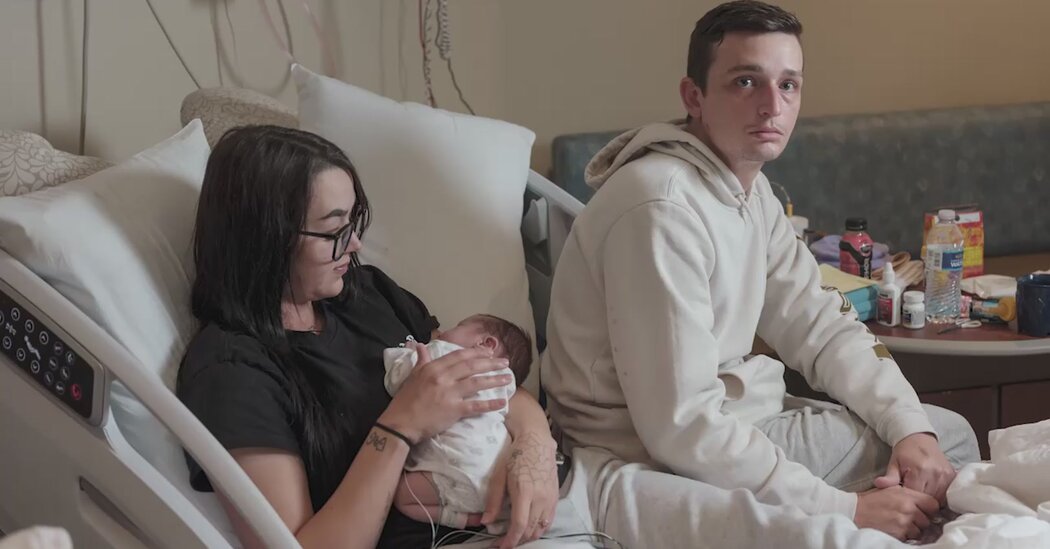
    “It started when I was in my mother’s womb.”


    Source link

    Share. Facebook Twitter Pinterest LinkedIn Tumblr Email Telegram Copy Link

    Related Posts

    Opinions

    Opinion | Do We All Need a Little Bitcoin?

    April 24, 2026
    Opinions

    Opinion | A Bad Investment in Trump Vibes

    April 23, 2026
    Opinions

    Opinion | A Bitcoin Evangelist Tries to Convert Me

    April 23, 2026
    Opinions

    Opinion | Would You Steal From Whole Foods?

    April 23, 2026
    Opinions

    Opinion | The Wealthy Steal, Too — Just Differently

    April 23, 2026
    Opinions

    Opinion | In 1968, They Saw Earth From the Moon for the First Time

    April 22, 2026
    Editors Picks

    Fury on Pakistan streets, 20 dead, after US-Israel strike kills Khamenei | Israel-Iran conflict News

    March 2, 2026

    49ers DC Robert Saleh finalizing a deal to become Titans HC

    January 21, 2026

    How Patriots can find WR1 after Stefon Diggs’ release

    March 5, 2026

    Inside Tom Cruise’s Mysterious Holiday Cake Tradition

    December 9, 2025

    Giants’ Matt Nagy hiring doesn’t do any favors for QB Jaxson Dart

    February 4, 2026
    About Us
    About Us

    Welcome to Benjamin Franklin Institute, your premier destination for insightful, engaging, and diverse Political News and Opinions.

    The Benjamin Franklin Institute supports free speech, the U.S. Constitution and political candidates and organizations that promote and protect both of these important features of the American Experiment.

    We are passionate about delivering high-quality, accurate, and engaging content that resonates with our readers. Sign up for our text alerts and email newsletter to stay informed.

    Latest Posts

    When is London Marathon 2026? Start time and how to watch race for FREE

    April 24, 2026

    Pentagon Requests $54 Billion For AI War

    April 24, 2026

    Clavicular Hit With New YouTube Crackdown

    April 24, 2026

    Subscribe for Updates

    Stay informed by signing up for our free news alerts.

    Paid for by the Benjamin Franklin Institute. Not authorized by any candidate or candidate’s committee.
    • Privacy Policy
    • About us
    • Contact us

    Type above and press Enter to search. Press Esc to cancel.