

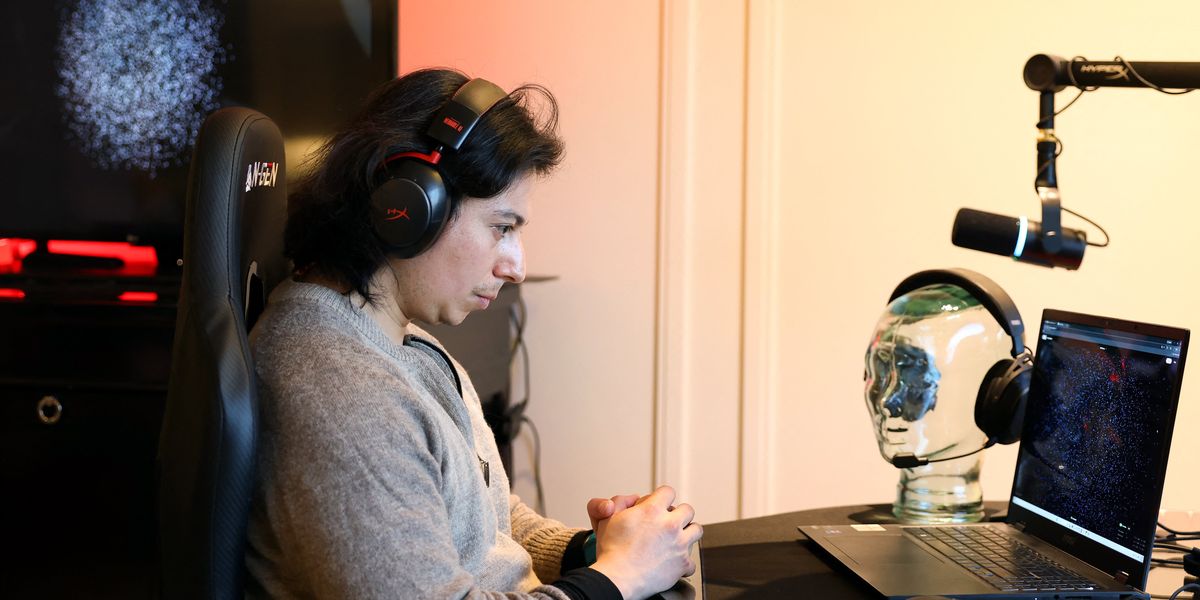
Nonmedical devices that read brainwaves, such as smart headbands, headphones, and glasses, are becoming more popular among consumers. The products claim to make users more productive, creative, and healthier. IEEE Spectrum previewed several of these smart wearables that were introduced at this year’s Consumer Electronics Show (CES) in Las Vegas.
Since the wearable, noninvasive neurotech products aren’t medical devices, they are not subject to the same forms of regulation—which can lead to gaps in their safety and data privacy, as well as their effect on users’ brains.
UNESCO in November adopted the first global ethical standard for neurotechnologies, establishing guidelines to protect users’ mental privacy, freedom of thought, and human rights. In 2019 the Organisation for Economic Co-operation and Development issued responsible-neurotechnology recommendations. But there are no socio-technical standards for manufacturers to follow.
In response, the IEEE Brain technical community is developing the IEEE P7700 standard: “Recommended Practice for the Responsible Design and Development of Neurotechnologies.”
The proposed standard is being designed to provide a uniform set of definitions and a methodology to assess the ethical and socio-technical considerations and practices regarding the design, development, and use of neurotechnologies including wearable neurodevices for the brain, says Laura Y. Cabrera, the standard’s working group chair. Cabrera, an IEEE senior member, is an associate professor in the engineering science and mechanics department at Pennsylvania State University in University Park. Her research focuses on the ethical and societal implications of neurotechnologies.
“IEEE P7700 addresses the unique characteristics of the technology and its impact on individuals and society, in particular, as it moves from therapeutic users to a wide variety of consumers,” she says.
The standard is sponsored by the IEEE Society on Social Implications of Technology.
Concern over long-term effects
The multilayered complexity of technologies that interface with the brain and nervous system presents considerations to those developing them, Cabrera says.
“There may be long-term consequences in our brains with these types of technologies,” she says. “Maybe if they were used for a short period of time, there might not be significant consequences. But what are the effects over time?”
Patients using approved brain-stimulation technology, for example, are told of its risks and benefits, but the long-term effects of headbands to improve students’ attention span aren’t known.
“IEEE P7700 addresses the unique characteristics of the technology and its impact on individuals and society, in particular, as it moves from therapeutic users to a wide variety of consumers.”
IEEE P7700 will address potential risks to individuals and possible negative impacts on society, Cabrera says. That includes creating guardrails to prevent harm, she adds.
The cultural implications of using neurotechnologies that interface with the brain also need to be considered, she says, because people have different views.
“The brain is considered the seed of the self and the organ that orchestrates all our thoughts, behaviors, feelings, and emotions,” she says. “The brain is really central to who we are.”
Developing an ethical framework
For the past five years, the IEEE Brain community’s neuroethics committee has been developing a framework to evaluate the ethical, legal, social, and cultural issues that could emerge from use of the technology. The document covers nine types of applications, including those used for wellness.
Because more devices kept entering the market, IEEE Brain decided in 2023 that it was time to begin drafting a standard.
Members of its working group come from Argentina, China, Japan, Italy, Switzerland, and the United States. Participants include developers, engineers, ethicists, lawyers, and social science researchers.
The standard, Cabrera says, will be the first socio-technical standard aimed at fostering the ethical and responsible innovation of neurotechnology that meets societal and community values at an international level. P7700 will include a how-to guide, criteria for evaluating each suggested process, and case studies to help with the interpretation and practical use of the standard, she says.
“Our applied ethical approach uses a responsible research and innovation method to enable developers, researchers, users, and regulators to anticipate and address ethical and sociocultural implications of neurotechnologies, mitigating negative unintended consequences while increasing community support and engagement with innovators,” Cabrera says.
The working group is seeking additional participants to help refine the process, tools, and recommendations.
“There are a variety of people who can contribute their expertise,” she says, “including academics, data scientists, government program leaders, policymakers, lawyers, social scientists, and users.”
Cabrera says she anticipates the standard will be published early next year.
You can register to participate in the standard’s development here.
From Your Site Articles
Related Articles Around the Web