
Close Menu
    Trending
    • What happens if you’re hit by a primordial black hole?
    • When is London Marathon 2026? Start time and how to watch race for FREE
    • Pentagon Requests $54 Billion For AI War
    • Clavicular Hit With New YouTube Crackdown
    • Beijing’s new supply chain rules deepen concerns for US firms in China
    • India denounces ‘hellhole’ remark shared by Trump | Donald Trump News
    • New photos of Mike Vrabel and Dianna Russini emerge
    • AI search demands a new audience playbook
    Benjamin Franklin Institute
    Friday, April 24
    • Home
    • Politics
    • Business
    • Science
    • Technology
    • Arts & Entertainment
    • International
    Benjamin Franklin Institute
    Home»World Economy»Holiday Sales Disappoint | Armstrong Economics
    World Economy

    Holiday Sales Disappoint | Armstrong Economics

    Team_Benjamin Franklin InstituteBy Team_Benjamin Franklin InstituteFebruary 11, 2026No Comments3 Mins Read
    Share Facebook Twitter Pinterest Copy Link LinkedIn Tumblr Email VKontakte Telegram
    Share
    Facebook Twitter Pinterest Email Copy Link


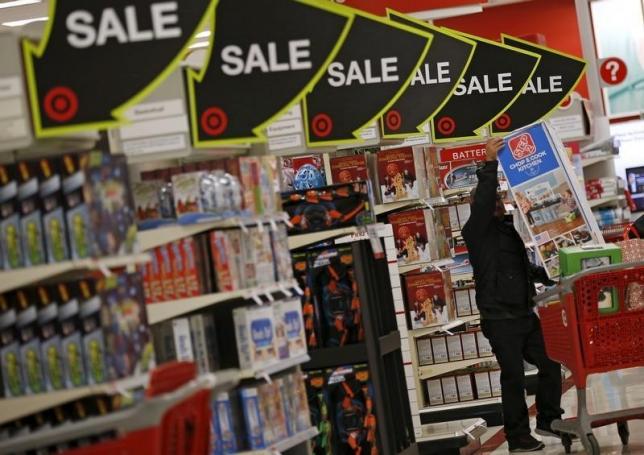
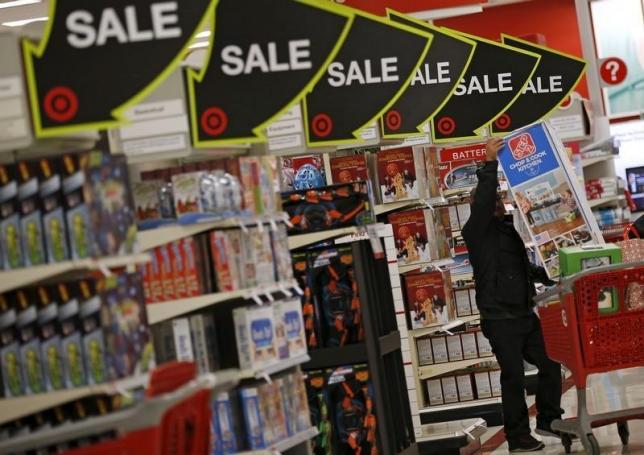
    The Commerce Department’s advance retail sales report for December revealed that total US retail receipts were essentially unchanged from November, coming in flat after a 0.6 percent increase in November and well below economists’ expectations for a 0.4 percent rise in December. Core retail sales, or the measure that excludes volatile categories like autos, gasoline, building materials, and food services, and which feeds directly into GDP calculations, actually slipped about 0.1 percent in December following a downward revision to November’s core gain to just 0.2 percent from 0.4 percent previously reported. For the full year of 2025, total retail sales still registered a nominal gain of roughly 3.7 percent compared to 2024.

    From the outset, the numbers tell a story that echoes the longer, unavoidable economic cycle rather than the distorted confidence many policymakers still cling to. Retail sales are the largest component of household consumption and by far the biggest driver of GDP. So, when retail sales fail to post any real growth in December, at a time when spending should be concentrated and elevated, it reflects more than seasonal adjustments. Core consumption, which excludes the big ticket and volatile segments, is arguably more telling than the headline, and it turned negative at precisely the point in the calendar when it should have remained positive if households were truly confident about their spending capacity.

    Even when you look at the annual figures, a 3.7% advance relative to 2024, those gains are heavily influenced by price effects, tariff-driven cost pass-throughs, and earlier quarters’ momentum rather than rising volumes of goods moved off shelves. Nominal increases can mask real consumption stagnation because they do not strip out inflation or show whether households are actually purchasing more items versus paying more for the same baskets. The flat December reading underscores that the consumer’s grip on spending is loosening at the margins. Retail categories traditionally dependent on discretionary income, such as electronics, furniture, and clothing, struggled, while the modest nominal gains in the annual totals often reflect spending in necessity or inflation-catch-up categories.

    This pattern has implications that extend beyond a single monthly release. For much of the past year, robust consumer spending masked underlying weaknesses elsewhere in the economy. Households used savings, leaned on credit, and when forced to spend, focused on the essentials. Real incomes lag behind cost increases in essentials like housing, insurance, food, and healthcare. Wages are rising but they are mismatched with the price of living.

    It is now increasingly apparent that the robust GDP prints from mid-year, often cited as evidence of economic resilience, were driven by transient factors and delayed data rather than sustainable consumer strength. The late-year softness puts at risk the projections for fourth-quarter GDP growth and may dampen expectations for early 2026 monetary easing if the Federal Reserve interprets slowing demand as disinflationary pressure.


    Source link

    Share. Facebook Twitter Pinterest LinkedIn Tumblr Email Telegram Copy Link

    Related Posts

    World Economy

    Pentagon Requests $54 Billion For AI War

    April 24, 2026
    World Economy

    Google Is Tracking Your Life – Photo Cloud Feeding AI System

    April 24, 2026
    World Economy

    Market Talk – April 23, 2026

    April 23, 2026
    World Economy

    Understanding Iran | Armstrong Economics

    April 23, 2026
    World Economy

    The Dollar Lifeline In War – Currency Swaps

    April 23, 2026
    World Economy

    Data Harvesting In The Classroom

    April 23, 2026
    Editors Picks

    Syrian security forces enter Aleppo neighbourhood after clashes with Kurdish fighters

    January 10, 2026

    Canada Completes Construction Of Nuclear Power Plant

    February 18, 2026

    T20 World Cup final: India defeat New Zealand by 96 runs for third title | ICC Men’s T20 World Cup News

    March 8, 2026

    Four NHL players who can cement their Hall of Fame cases at Winter Olympics

    February 11, 2026

    Cowboys VP Stephen Jones ‘fired up’ over injury-plagued DeMarvion Overshown

    February 24, 2026
    About Us
    About Us

    Welcome to Benjamin Franklin Institute, your premier destination for insightful, engaging, and diverse Political News and Opinions.

    The Benjamin Franklin Institute supports free speech, the U.S. Constitution and political candidates and organizations that promote and protect both of these important features of the American Experiment.

    We are passionate about delivering high-quality, accurate, and engaging content that resonates with our readers. Sign up for our text alerts and email newsletter to stay informed.

    Latest Posts

    What happens if you’re hit by a primordial black hole?

    April 24, 2026

    When is London Marathon 2026? Start time and how to watch race for FREE

    April 24, 2026

    Pentagon Requests $54 Billion For AI War

    April 24, 2026

    Subscribe for Updates

    Stay informed by signing up for our free news alerts.

    Paid for by the Benjamin Franklin Institute. Not authorized by any candidate or candidate’s committee.
    • Privacy Policy
    • About us
    • Contact us

    Type above and press Enter to search. Press Esc to cancel.