
Close Menu
    Trending
    • How do earthquakes end? A seismic ‘stop sign’ could help predict earthquake risk
    • Trump Announces Cease-Fire Between Israel and Lebanon
    • Google Is Tracking Your Life – Photo Cloud Feeding AI System
    • Rachel Zoe Confronts Amanda Frances In ‘RHOBH’ Reunion Clip
    • China’s DeepSeek says it released long-awaited new AI model
    • China’s DeepSeek unveils latest models a year after upending global tech | Technology News
    • Malik Nabers’ reaction to Cowboys drafting Caleb Downs should thrill Dallas fans
    • AI is replacing creativity with ‘average’
    Benjamin Franklin Institute
    Friday, April 24
    • Home
    • Politics
    • Business
    • Science
    • Technology
    • Arts & Entertainment
    • International
    Benjamin Franklin Institute
    Home»Technology»Google has illegal advertising monopoly, judge rules
    Technology

    Google has illegal advertising monopoly, judge rules

    Team_Benjamin Franklin InstituteBy Team_Benjamin Franklin InstituteApril 19, 2025No Comments3 Mins Read
    Share Facebook Twitter Pinterest Copy Link LinkedIn Tumblr Email VKontakte Telegram
    Share
    Facebook Twitter Pinterest Email Copy Link


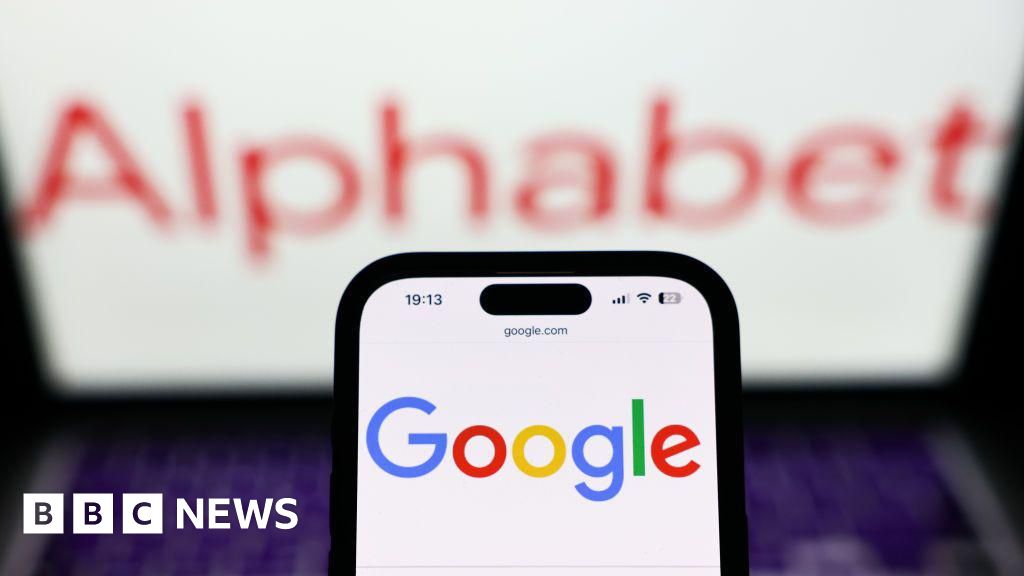
    A US judge has ruled tech giant Google has a monopoly in online advertising technology.

    The US Department of Justice, along with 17 US states, sued Google, arguing the tech giant was illegally dominating the technology which determines which adverts should be placed online and where.

    This is the second antitrust case Google has lost in a year, after it was ruled the company also had a monopoly on online search.

    Google said it would appeal against the decision.

    “Publishers have many options and they choose Google because our ad tech tools are simple, affordable and effective,” the firm’s head of regulatory affairs Lee-Ann Mulholland said.

    US district judge Leonie Brinkema said in the ruling Google had “wilfully engaged in a series of anticompetitive acts” which enabled it to “acquire and maintain monopoly power” in the market.

    “This exclusionary conduct substantially harmed Google’s publisher customers, the competitive process, and, ultimately, consumers of information on the open web,” she said.

    Google lost on two counts, while a third was dismissed.

    “We won half of this case and we will appeal the other half,” Ms Mulholland said.

    “The court found that our advertiser tools and our acquisitions, such as DoubleClick, don’t harm competition.”

    The ruling is a significant win for US antitrust enforcers, according to Laura Phillips-Sawyer, a professor at the University of Georgia School of Law.

    “It signals that not only are agencies willing to prosecute but also that judges are willing to enforce the law against big tech firms,” she said.

    She said the verdict sets an important legal precedent and is likely to affect decision-making in corporate America.

    Google’s lawyers had argued the case focused too much on its past activities, and prosecutors ignored other large ad tech providers such as Amazon.

    “Google has repeatedly used its market power to self-preference its own products, stifling innovation and depriving premium publishers worldwide of critical revenue needed to sustain high-quality journalism and entertainment,” said Jason Kint, head of Digital Content Next, a trade association representing online publishers.

    Google owns large companies on the buyer and seller sides of the online advertising market, as well as an ad exchange which matches demand and supply.

    Internet users will not notice a difference online as a result of the decision, said Anupam Chander, professor of law and technology at Georgetown University.

    But it affects “the division of monies between advertisers, publishers, and ad service providers”.

    “The judge seems willing to order structural changes in Google’s ad exchange practices, which may affect Google’s bottom line somewhat, but don’t seem to necessarily threaten its core value proposition as an advertising middleman,” he added.

    In an ongoing series of antitrust lawsuits, the US government argues Google and its parent company Alphabet should be broken up – which could include selling off parts of the company such as the Chrome browser.

    The US case will now move to a second “remedies” phase, which could also lead to Alphabet being broken up, said John Kwoka, a professor of economics at Northeastern University.

    In September, the UK’s competition watchdog provisionally found Google was using anti-competitive practices to dominate the market for online advertising technology.


    Source link

    Share. Facebook Twitter Pinterest LinkedIn Tumblr Email Telegram Copy Link

    Related Posts

    Technology

    How This Former Roboticist’s Students Rebuilt ENIAC

    April 23, 2026
    Technology

    How AI Is Changing Cybersecurity

    April 23, 2026
    Technology

    Ham Radio Brings Teletext Back to Life

    April 22, 2026
    Technology

    Energy in Motion: Unlocking the Interconnected Grid of Tomorrow

    April 22, 2026
    Technology

    Tech Life – A hologram to remember: Pam and Bill’s love story

    April 21, 2026
    Technology

    Engineering Manager Vs IC: How to Choose With Clarity

    April 21, 2026
    Editors Picks

    Mystery ‘whippet’ space explosion is the brightest of its kind

    March 10, 2026

    The ‘NFL tackles-for-loss leaders’ quiz

    March 9, 2026

    UN force in Lebanon says peacekeepers fired upon

    March 15, 2026

    France, UK to lead multinational Hormuz mission

    April 17, 2026

    Hundreds of Israelis protest against war, clash with police

    March 29, 2026
    About Us
    About Us

    Welcome to Benjamin Franklin Institute, your premier destination for insightful, engaging, and diverse Political News and Opinions.

    The Benjamin Franklin Institute supports free speech, the U.S. Constitution and political candidates and organizations that promote and protect both of these important features of the American Experiment.

    We are passionate about delivering high-quality, accurate, and engaging content that resonates with our readers. Sign up for our text alerts and email newsletter to stay informed.

    Latest Posts

    How do earthquakes end? A seismic ‘stop sign’ could help predict earthquake risk

    April 24, 2026

    Trump Announces Cease-Fire Between Israel and Lebanon

    April 24, 2026

    Google Is Tracking Your Life – Photo Cloud Feeding AI System

    April 24, 2026

    Subscribe for Updates

    Stay informed by signing up for our free news alerts.

    Paid for by the Benjamin Franklin Institute. Not authorized by any candidate or candidate’s committee.
    • Privacy Policy
    • About us
    • Contact us

    Type above and press Enter to search. Press Esc to cancel.