
Close Menu
    Trending
    • How do earthquakes end? A seismic ‘stop sign’ could help predict earthquake risk
    • Trump Announces Cease-Fire Between Israel and Lebanon
    • Google Is Tracking Your Life – Photo Cloud Feeding AI System
    • Rachel Zoe Confronts Amanda Frances In ‘RHOBH’ Reunion Clip
    • China’s DeepSeek says it released long-awaited new AI model
    • China’s DeepSeek unveils latest models a year after upending global tech | Technology News
    • Malik Nabers’ reaction to Cowboys drafting Caleb Downs should thrill Dallas fans
    • AI is replacing creativity with ‘average’
    Benjamin Franklin Institute
    Friday, April 24
    • Home
    • Politics
    • Business
    • Science
    • Technology
    • Arts & Entertainment
    • International
    Benjamin Franklin Institute
    Home»Science»Do weeds really love poor soil? Not if you look at the science
    Science

    Do weeds really love poor soil? Not if you look at the science

    Team_Benjamin Franklin InstituteBy Team_Benjamin Franklin InstituteFebruary 9, 2026No Comments3 Mins Read
    Share Facebook Twitter Pinterest Copy Link LinkedIn Tumblr Email VKontakte Telegram
    Share
    Facebook Twitter Pinterest Email Copy Link


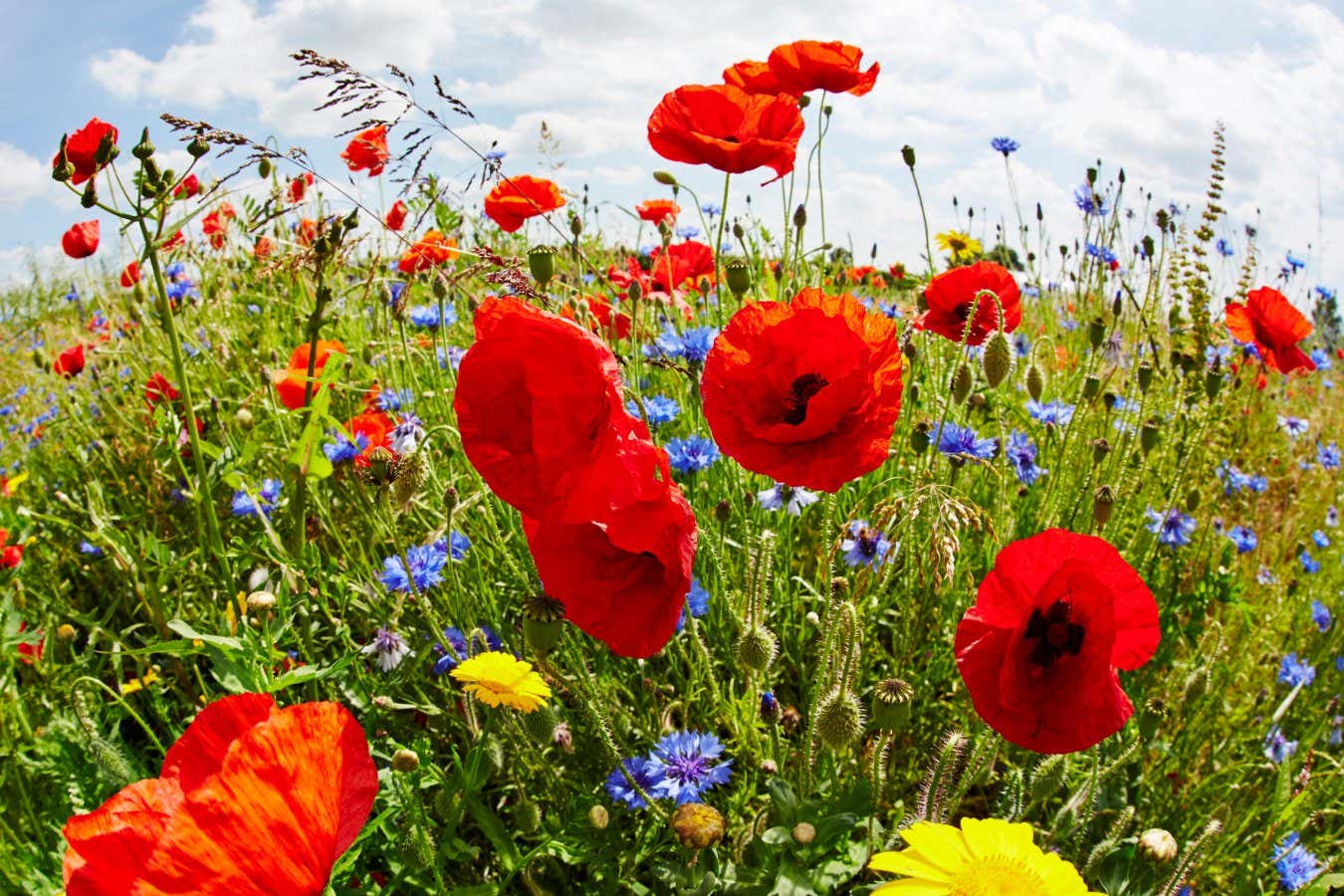
    Cornflowers and poppies were once seen as “troublesome weeds”

    Heather Drake/Alamy

    One of the most common claims in traditional gardening lore is that weeds only grow in poor soil. Improve the fertility of your plot, and the weeds will disappear. If true, this simple trick could save gardeners hours of work, just by adding plant food. That’s an attractive offer – so let’s take a look at the evidence.

    First, what do we actually mean by the word “weed”? Rather than a closely related group of plants, “weed” is really a catch-all term for any species growing where humans don’t want it. If this sounds arbitrary or culturally constructed to you, that’s because that’s exactly what it is.

    Many notorious weeds in some contexts live secret double lives as prized plants in others. Take the dandelion. It is easily the most common species on weedkiller packaging in the UK. Yet in Singapore, where dandelions are considered exotic, I’ve seen seeds selling for nearly $100 on online auctions.

    In fact, all five of the most invasive plant species identified in a recent global study were originally introduced as garden plants. This blurs the neat distinction between “weed” and ornamental plant, arguably to the point where the word itself begins to lose much of its meaning.

    What many commonly cited weeds do have in common is a vigorous growth habit. Their ability to establish quickly, reproduce readily and tolerate a wide range of conditions is precisely what allows them to appear where they aren’t wanted. These traits often make them the first plants to colonise disturbed ground or neglected soil – places where other species struggle to gain a foothold. But tolerating poor conditions isn’t the same as preferring them.

    In fact, many classic weeds actively favour rich soils. Stinging nettles, for instance, are strongly associated with nutrient-dense ground. Dandelions also thrive where nitrogen is abundant, not where fertility is low.

    So where did the idea that weeds signal infertility come from? Like many gardening myths, this contains a kernel of truth. Improving soil fertility can allow a wider range of plants to grow, reducing the competitive edge of the most resilient pioneer species. This effect was demonstrated in the farmlands of 20th-century Europe, when synthetic fertiliser use increased. Vigorous grasses were finally able to outcompete troublesome weeds such as cornflowers and poppies – to the point where some of these species are now on the brink of extinction in the UK. The great irony is that these exact same plants are now highly fashionable wildflowers.

    So where does this leave us? With our views about plants constantly shifting, it seems fair to say that weeds aren’t so much reliable indicators of soil quality as they are reflections of human whims and preferences.


    These articles are posted each week at
    newscientist.com/maker

    James Wong is a botanist and science writer, with a particular interest in food crops, conservation and the environment. Trained at the Royal Botanic Gardens, Kew, in London, he shares his tiny flat with more than 500 houseplants. You can follow him on X and Instagram @botanygeek


    Source link

    Share. Facebook Twitter Pinterest LinkedIn Tumblr Email Telegram Copy Link

    Related Posts

    Science

    How do earthquakes end? A seismic ‘stop sign’ could help predict earthquake risk

    April 24, 2026
    Science

    ‘Kraken’ fossils show enormous, intelligent octopuses were top predators in Cretaceous seas

    April 24, 2026
    Science

    Largest ever octopus was great white shark of invertebrate predators

    April 24, 2026
    Science

    Do you need to worry about Mythos, Anthropic’s computer-hacking AI?

    April 23, 2026
    Science

    How many dachshunds would it take to get to the moon?

    April 23, 2026
    Science

    The Age Code review: Can you slow ageing with your diet? A new book gives it a go

    April 23, 2026
    Editors Picks

    US-Israel war on Iran: What’s happening on day 31 of attacks | US-Israel war on Iran News

    March 30, 2026

    What’s at stake in Uganda’s presidential election? | Elections

    January 14, 2026

    Russia is ready for a new world with no nuclear limits, senior diplomat says

    February 3, 2026

    Giancarlo Stanton make alarming admission about physical condition

    February 26, 2026

    Venezuela’s National Assembly approves amnesty bill in first of two votes | Human Rights News

    February 6, 2026
    About Us
    About Us

    Welcome to Benjamin Franklin Institute, your premier destination for insightful, engaging, and diverse Political News and Opinions.

    The Benjamin Franklin Institute supports free speech, the U.S. Constitution and political candidates and organizations that promote and protect both of these important features of the American Experiment.

    We are passionate about delivering high-quality, accurate, and engaging content that resonates with our readers. Sign up for our text alerts and email newsletter to stay informed.

    Latest Posts

    How do earthquakes end? A seismic ‘stop sign’ could help predict earthquake risk

    April 24, 2026

    Trump Announces Cease-Fire Between Israel and Lebanon

    April 24, 2026

    Google Is Tracking Your Life – Photo Cloud Feeding AI System

    April 24, 2026

    Subscribe for Updates

    Stay informed by signing up for our free news alerts.

    Paid for by the Benjamin Franklin Institute. Not authorized by any candidate or candidate’s committee.
    • Privacy Policy
    • About us
    • Contact us

    Type above and press Enter to search. Press Esc to cancel.