



The latest revelations involving the Department of Homeland Security demanding Google surrender data tied to a Canadian citizen demonstrate just how far governments are pushing digital surveillance powers beyond traditional legal and national boundaries. According to reports from WIRED, DHS used a “customs summons” under the Tariff Act of 1930 to demand location records, account activity, and identifying information connected to a Canadian man who had criticized ICE online following controversial immigration enforcement incidents earlier this year.
The individual reportedly had not entered the United States in more than a decade, yet American authorities still attempted to access his digital information because the technology platforms involved operate under U.S. jurisdiction.
People need to understand the implications because this goes far beyond one investigation or one political controversy. Governments are increasingly treating access to private technology infrastructure as a gateway to global surveillance authority. If your information passes through American technology companies, authorities now appear willing to argue they possess legal grounds to access portions of that data regardless of where you physically reside.
According to the lawsuit described in the WIRED investigation, DHS issued what is known as a customs summons, which functions as an administrative subpoena that does not require prior approval from a judge or grand jury. The summons reportedly demanded records involving location history, account activity, and communications tied to “threatening or harassing language.” The government allegedly justified the request under customs law despite the fact the individual was not accused of importing goods or violating customs duties in any conventional sense.
Authorities rarely begin by openly announcing broad monitoring programs targeting ordinary citizens. They start with politically sensitive cases involving terrorism, immigration enforcement, extremism, sanctions violations, or national security concerns. Then the scope quietly expands over time until governments normalize monitoring broader categories of speech, behavior, and political activity.
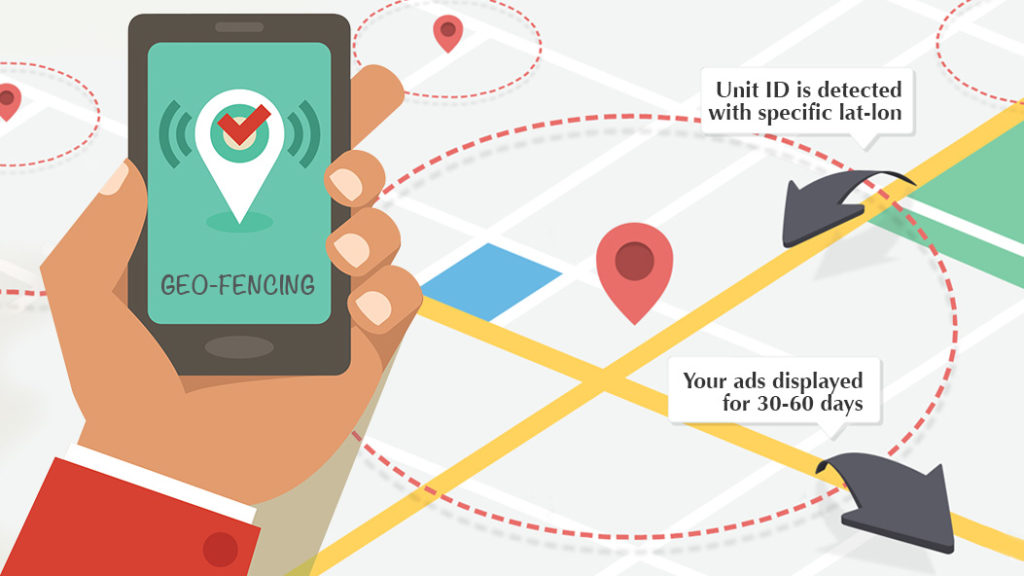
What makes the current era different is the amount of information already collected continuously by private technology firms. Smartphones generate enormous quantities of behavioral data every day through GPS systems, cellular networks, Bluetooth signals, wifi connections, application tracking, advertising identifiers, cloud synchronization, and location services running constantly in the background. Companies like Google, Meta, Amazon, Microsoft, and numerous data brokers collectively possess detailed records tied to billions of people worldwide.
Once governments gain access to that infrastructure, surveillance no longer requires traditional physical monitoring.
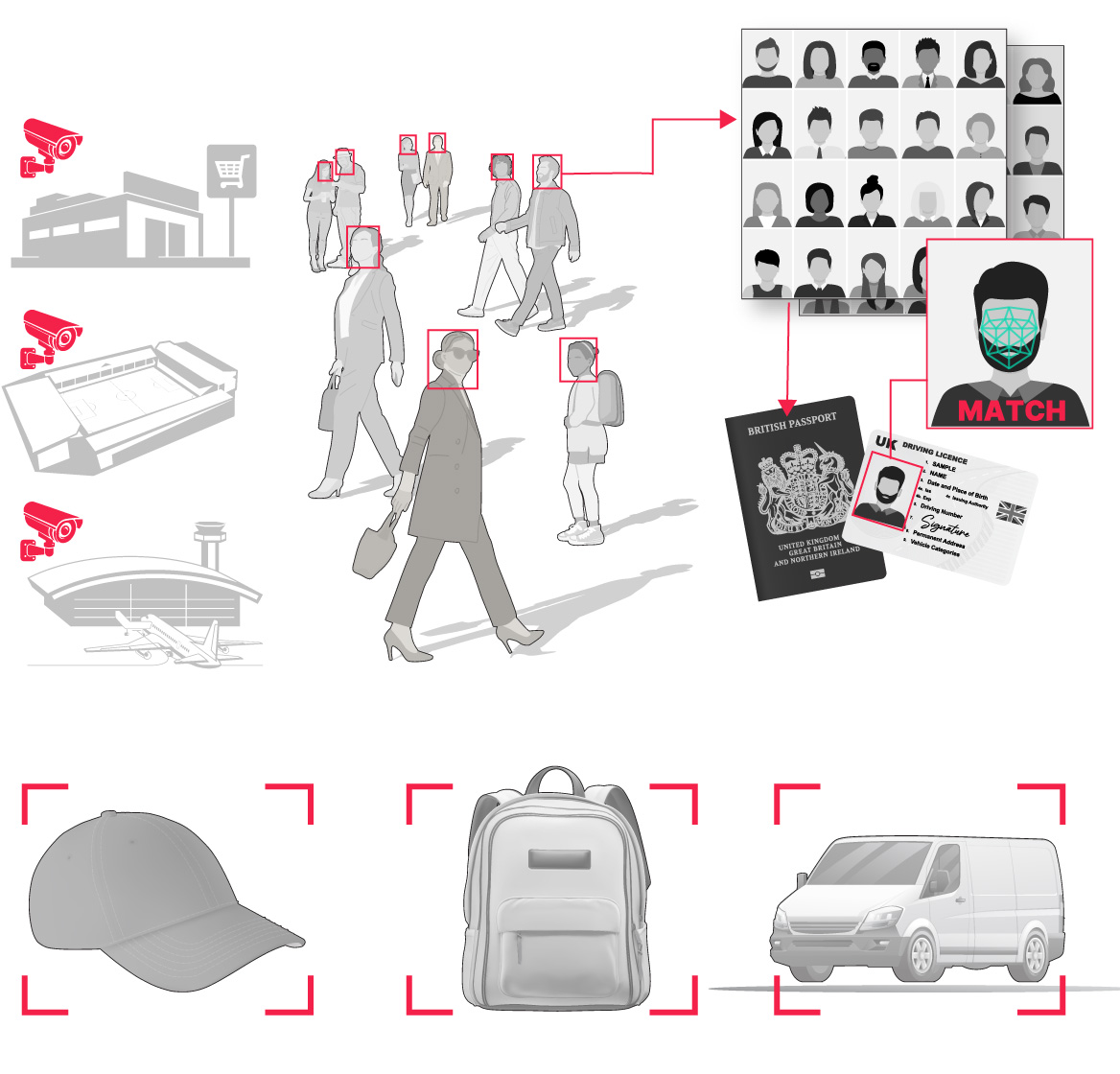
The Wall Street Journal recently detailed how DHS and ICE dramatically expanded digital surveillance operations using facial recognition systems, social media analysis, license plate readers, AI-driven data aggregation, phone extraction tools, and integrated tracking platforms capable of combining government and commercial databases simultaneously. Federal agencies reportedly spent hundreds of millions building these capabilities while private contractors like Palantir continued developing systems designed to centralize enormous streams of personal information into unified enforcement networks.
This is no longer ordinary law enforcement. Governments are constructing permanent population-monitoring infrastructure capable of operating at an extraordinary scale.
The Canadian case is particularly alarming because it demonstrates how national boundaries are becoming increasingly irrelevant once governments leverage global technology firms. Civil liberties attorneys quoted in the WIRED report argued that DHS exploited the fact American technology companies controlled the infrastructure storing the information. In effect, governments can now potentially reach into the digital lives of foreign citizens simply because the underlying platforms fall under American jurisdiction.

At the same time, immigration agencies reportedly continue issuing large numbers of administrative subpoenas to companies like Google, Meta, Reddit, Discord, and telecommunications providers seeking information connected to online criticism of ICE and immigration enforcement activities. Technology firms increasingly function as involuntary extensions of government surveillance capability because modern life itself depends on centralized digital infrastructure.
The broader global trend is impossible to ignore. Europe is building digital IDs, centralized financial reporting systems, CBDCs, and beneficial ownership registries. China openly developed social credit mechanisms tied to behavioral monitoring. Western governments increasingly rely on AI-driven analytics, biometric identification, predictive policing systems, and integrated commercial data mining. Different governments use different terminology, but the direction remains remarkably similar everywhere.
The real danger emerges once all these systems begin merging together. Governments are steadily moving toward environments where geolocation tracking, banking activity, online communications, facial recognition, biometric identification, license plate readers, and behavioral analytics can all be integrated into unified surveillance structures. Once that architecture fully matures, anonymity in society effectively disappears.