
Close Menu
    Trending
    • How do earthquakes end? A seismic ‘stop sign’ could help predict earthquake risk
    • Trump Announces Cease-Fire Between Israel and Lebanon
    • Google Is Tracking Your Life – Photo Cloud Feeding AI System
    • Rachel Zoe Confronts Amanda Frances In ‘RHOBH’ Reunion Clip
    • China’s DeepSeek says it released long-awaited new AI model
    • China’s DeepSeek unveils latest models a year after upending global tech | Technology News
    • Malik Nabers’ reaction to Cowboys drafting Caleb Downs should thrill Dallas fans
    • AI is replacing creativity with ‘average’
    Benjamin Franklin Institute
    Friday, April 24
    • Home
    • Politics
    • Business
    • Science
    • Technology
    • Arts & Entertainment
    • International
    Benjamin Franklin Institute
    Home»Science»Crowdsourcing Wikipedia’s encyclopedia: Best ideas of the century
    Science

    Crowdsourcing Wikipedia’s encyclopedia: Best ideas of the century

    Team_Benjamin Franklin InstituteBy Team_Benjamin Franklin InstituteFebruary 1, 2026No Comments3 Mins Read
    Share Facebook Twitter Pinterest Copy Link LinkedIn Tumblr Email VKontakte Telegram
    Share
    Facebook Twitter Pinterest Email Copy Link


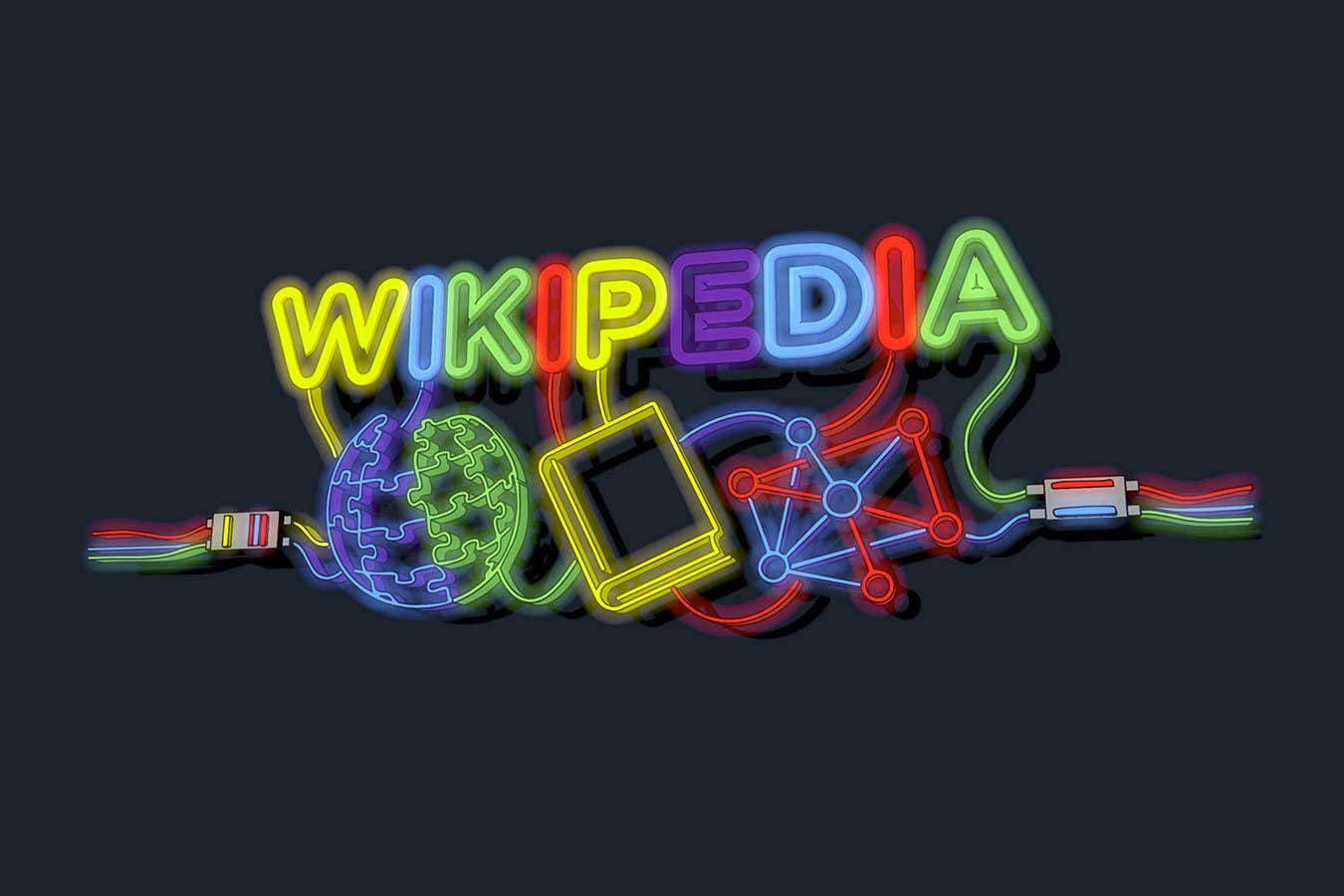
    Hostility and discord are hallmarks of the internet more so than collaboration and cooperation. So the fact that a public encyclopaedia, editable by anyone, has become one of the most useful repositories of knowledge in the world is, frankly, unbelievable. “Thank God it works in practice, because it would never work in theory,” says Anusha Alikhan at the Wikimedia Foundation, the non-profit that runs Wikipedia.

    The website was set up in 2001 by Jimmy Wales, who remains involved today, and Larry Sanger, who left the project the following year – but continues to criticise it from afar. He recently wrote that the site had been “hijacked by ideologues”.

    Needless to say, Sanger’s view isn’t shared by most. Every month, Wikipedia’s 64 million articles in more than 300 languages receive 15 billion visits. At the time of writing, it is the ninth-most visited website in the world. “The fact that it is now one of the most trusted resources on the web is not something that anyone could have contemplated, but we’re here,” says Alikhan.

    Fostering trust on a mass scale is no mean feat. The internet may have given billions of people access to the sum total of human knowledge, but it has done so largely in ways that are fragmented, unverified, unreliable and limited in scope. Wikipedia bucks the trend by allowing anyone to create or edit entries on the site. There are now around 260,000 volunteers around the world, with 342 edits made every single minute. A clever system then grants wider editing powers to volunteers once they have built a history of responsible changes. Trust fosters engagement and commitment so that strangers on the internet are willing to work together.

    In some cases, Wikipedia encourages special interest groups to create and edit pages. For instance, a group called Women in Red works to address gender imbalance. Other groups work to spread information on climate change and African history. These articles are held to the same standards of accuracy, but this hasn’t stopped critics, including Sanger, of accusing the site of bias.

    Wikipedia is a deeply unusual website in that, to avoid influence and bias, it runs no advertising, has no shareholders and makes no profit. It is an outlier in the technology world, and things have gone surprisingly well for more than 20 years.

    Yet artificial intelligence is poised to change all this: it can rapidly pump out misleading or harmful entries, consumes resources as bots scrape the site for training data and reduces the number of visitors – and therefore potential donors – by creating AI-generated search summaries.

    Topics:

    • artificial intelligence/
    • internet


    Source link

    Share. Facebook Twitter Pinterest LinkedIn Tumblr Email Telegram Copy Link

    Related Posts

    Science

    How do earthquakes end? A seismic ‘stop sign’ could help predict earthquake risk

    April 24, 2026
    Science

    ‘Kraken’ fossils show enormous, intelligent octopuses were top predators in Cretaceous seas

    April 24, 2026
    Science

    Largest ever octopus was great white shark of invertebrate predators

    April 24, 2026
    Science

    Do you need to worry about Mythos, Anthropic’s computer-hacking AI?

    April 23, 2026
    Science

    How many dachshunds would it take to get to the moon?

    April 23, 2026
    Science

    The Age Code review: Can you slow ageing with your diet? A new book gives it a go

    April 23, 2026
    Editors Picks

    How to Turn Summer Travel into More Business and Less Taxes

    July 8, 2025

    Opinion | James Talarico Gives JD Vance a Bible Lesson

    January 14, 2026

    Stafford seemingly has made retirement decision for after 2025 season

    December 31, 2025

    Opinion | In 1968, They Saw Earth From the Moon for the First Time

    April 22, 2026

    Police help break up fight between Providence and St. John’s

    February 15, 2026
    About Us
    About Us

    Welcome to Benjamin Franklin Institute, your premier destination for insightful, engaging, and diverse Political News and Opinions.

    The Benjamin Franklin Institute supports free speech, the U.S. Constitution and political candidates and organizations that promote and protect both of these important features of the American Experiment.

    We are passionate about delivering high-quality, accurate, and engaging content that resonates with our readers. Sign up for our text alerts and email newsletter to stay informed.

    Latest Posts

    How do earthquakes end? A seismic ‘stop sign’ could help predict earthquake risk

    April 24, 2026

    Trump Announces Cease-Fire Between Israel and Lebanon

    April 24, 2026

    Google Is Tracking Your Life – Photo Cloud Feeding AI System

    April 24, 2026

    Subscribe for Updates

    Stay informed by signing up for our free news alerts.

    Paid for by the Benjamin Franklin Institute. Not authorized by any candidate or candidate’s committee.
    • Privacy Policy
    • About us
    • Contact us

    Type above and press Enter to search. Press Esc to cancel.