
Close Menu
    Trending
    • Amsterdam Bans Meat Ads As The War On Food Expands
    • Katie Holmes And Joshua Jackson Spark ‘Soul-Level’ Love Chatter
    • Singapore Airlines, Southwest Airlines partner to expand access to nearly 120 US destinations
    • Trump warns Netanyahu: ‘You’ll be on your own’ if attacks on Iran continue | US-Israel war on Iran News
    • Cristiano Ronaldo, ‘The Bosnian Diamond’ headline the World Cup 40-and-over club
    • How housing market inventory is shifting across every state
    • What is a ‘normal’ memory slowdown, and when should I worry?
    • Ariana Grande And Ethan Slater Are ‘Still Friends’ Following Split
    Benjamin Franklin Institute
    Tuesday, June 9
    • Home
    • Politics
    • Business
    • Science
    • Technology
    • Arts & Entertainment
    • International
    Benjamin Franklin Institute
    Home»World Economy»Canada Completes Construction Of Nuclear Power Plant
    World Economy

    Canada Completes Construction Of Nuclear Power Plant

    Team_Benjamin Franklin InstituteBy Team_Benjamin Franklin InstituteFebruary 18, 2026No Comments3 Mins Read
    Share Facebook Twitter Pinterest Copy Link LinkedIn Tumblr Email VKontakte Telegram
    Share
    Facebook Twitter Pinterest Email Copy Link


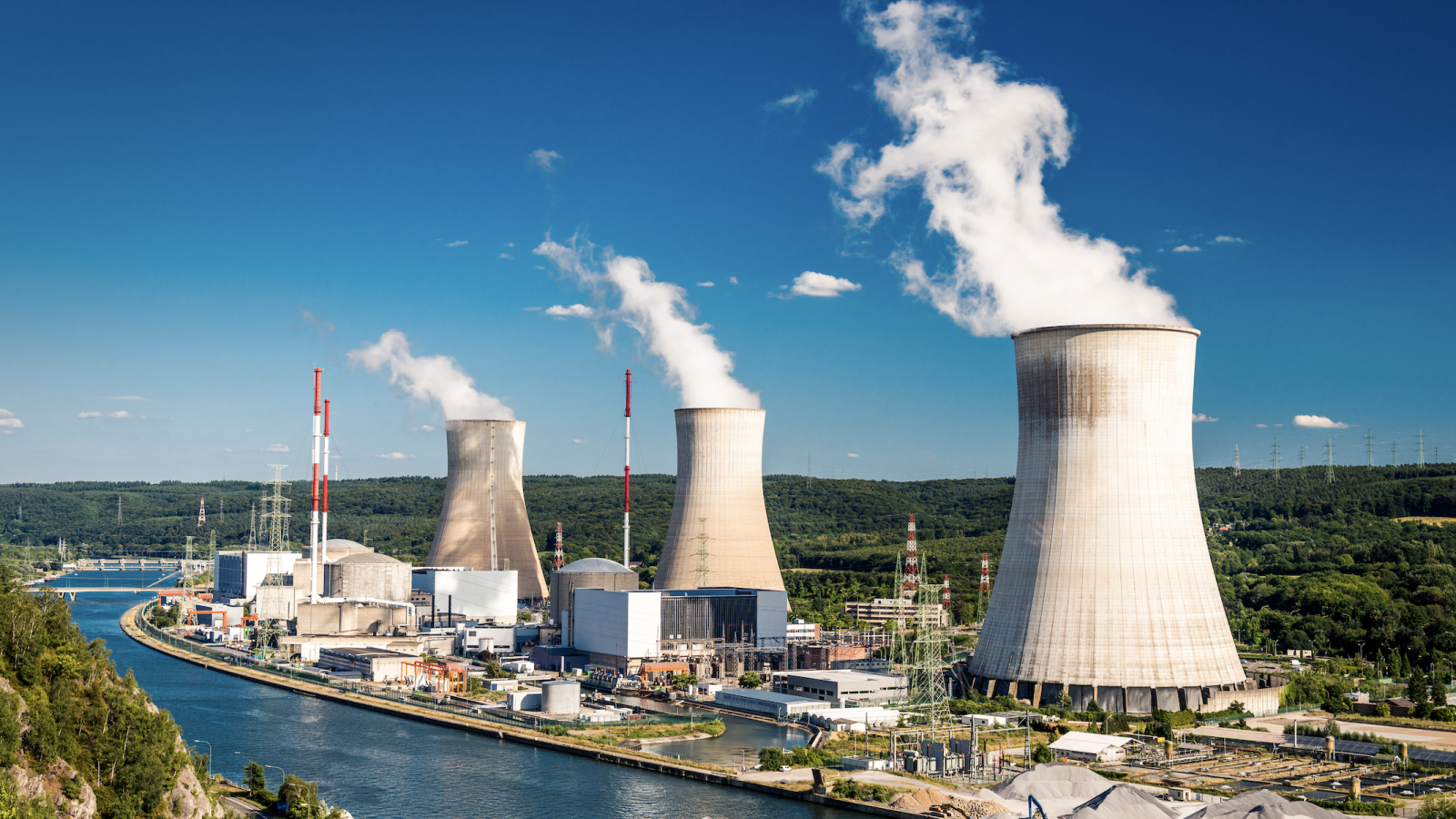
    What you are looking at with Canada completing the roughly $9.4 billion Darlington nuclear refurbishment early and under budget is something that completely contradicts the prevailing political narrative about energy policy in the West. The final 878-MW unit is now preparing to return to commercial operation, marking the end of a decade-long rebuild of the four-reactor complex, finished four months ahead of schedule and about $110 million under budget.

    A massive nuclear infrastructure project in a Western country was delivered ahead of schedule and under budget. That alone tells you this was treated as a strategic national priority rather than a political talking point.

    The refurbishment extends the plant’s operational life by decades and secures over 3,500 megawatts of reliable baseload electricity into at least the mid-2050s. This is the key difference between energy policy driven by engineering reality versus ideological policy driven by climate politics and bureaucratic regulation. Nuclear provides stability. Wind and solar provide volatility unless backed by baseload power.

    From a cyclical perspective, this fits directly into what I have written in my reports on energy, sovereign debt, and industrial competitiveness. Nations that secure long-term, reliable energy sources maintain industrial strength. Nations that deliberately dismantle baseload energy in favor of politically fashionable policies inevitably face rising costs, deindustrialization, and declining confidence.

    Canada’s approach here is pragmatic. The project began back in 2016 as a long-term refurbishment of all four CANDU reactors, replacing major components and effectively giving the facility another generation of operational life. This is not simply maintenance — it is strategic infrastructure renewal.

    Compare this to Europe. The EU has been shutting nuclear plants, imposing Net Zero mandates, and then wondering why industrial production is collapsing and energy costs remain structurally elevated. Energy policy is not separate from economic performance. It is the foundation of it. Germany is the perfect case study of how abandoning nuclear in favor of ideology undermines industrial competitiveness.

    What is even more significant is the timing. This project comes as global electricity demand is rising due to electrification, AI infrastructure, and reindustrialization trends. Governments are beginning to realize that intermittent energy cannot sustain modern economies or military readiness. Baseload power is not optional in a geopolitical cycle turning toward fragmentation and potential conflict.

    The fact that this refurbishment is being called one of the world’s largest nuclear life-extension projects also signals something deeper: nuclear is returning as a strategic asset. Historically, during periods of geopolitical tension and rising sovereign risk, governments shift toward energy security. That is exactly what the model has been projecting into this 2026–2032 window of rising volatility.


    Source link

    Share. Facebook Twitter Pinterest LinkedIn Tumblr Email Telegram Copy Link

    Related Posts

    World Economy

    Amsterdam Bans Meat Ads As The War On Food Expands

    June 9, 2026
    World Economy

    Market Talk – June 8, 2026

    June 8, 2026
    World Economy

    The Drumbeat Around Taiwan Grows Louder

    June 8, 2026
    World Economy

    Russia Needs 800,000 Workers | Armstrong Economics

    June 8, 2026
    World Economy

    The Jobs Report Everyone Will Misread

    June 8, 2026
    World Economy

    The Food Supply Has Been Compromised

    June 7, 2026
    Editors Picks

    Raising Cane’s is opening new locations this month and your city might be on the list

    May 1, 2026

    Pakistan’s Fatima Sana breaks world record for fastest 50 in women’s T20 | Cricket News

    May 15, 2026

    Is there an evolutionary reason for same-sex sexual behaviour?

    January 13, 2026

    How to report crypto on your taxes

    January 24, 2026

    What is the US strategic minerals stockpile? | Business and Economy News

    February 3, 2026
    About Us
    About Us

    Welcome to Benjamin Franklin Institute, your premier destination for insightful, engaging, and diverse Political News and Opinions.

    The Benjamin Franklin Institute supports free speech, the U.S. Constitution and political candidates and organizations that promote and protect both of these important features of the American Experiment.

    We are passionate about delivering high-quality, accurate, and engaging content that resonates with our readers. Sign up for our text alerts and email newsletter to stay informed.

    Latest Posts

    Amsterdam Bans Meat Ads As The War On Food Expands

    June 9, 2026

    Katie Holmes And Joshua Jackson Spark ‘Soul-Level’ Love Chatter

    June 9, 2026

    Singapore Airlines, Southwest Airlines partner to expand access to nearly 120 US destinations

    June 9, 2026

    Subscribe for Updates

    Stay informed by signing up for our free news alerts.

    Paid for by the Benjamin Franklin Institute. Not authorized by any candidate or candidate’s committee.
    • Privacy Policy
    • About us
    • Contact us

    Type above and press Enter to search. Press Esc to cancel.