
Close Menu
    Trending
    • Storylines for the RBC Canadian Open: Will a Canadian win on home soil?
    • The end of the ‘good enough’ worker
    • Can Apple and Google stop children from sharing explicit images?
    • Amsterdam Bans Meat Ads As The War On Food Expands
    • Katie Holmes And Joshua Jackson Spark ‘Soul-Level’ Love Chatter
    • Singapore Airlines, Southwest Airlines partner to expand access to nearly 120 US destinations
    • Trump warns Netanyahu: ‘You’ll be on your own’ if attacks on Iran continue | US-Israel war on Iran News
    • Cristiano Ronaldo, ‘The Bosnian Diamond’ headline the World Cup 40-and-over club
    Benjamin Franklin Institute
    Tuesday, June 9
    • Home
    • Politics
    • Business
    • Science
    • Technology
    • Arts & Entertainment
    • International
    Benjamin Franklin Institute
    Home»Sports»Biggest flaw for each No. 1 seed in men’s March Madness
    Sports

    Biggest flaw for each No. 1 seed in men’s March Madness

    Team_Benjamin Franklin InstituteBy Team_Benjamin Franklin InstituteMarch 16, 2026No Comments3 Mins Read
    Share Facebook Twitter Pinterest Copy Link LinkedIn Tumblr Email VKontakte Telegram
    Share
    Facebook Twitter Pinterest Email Copy Link


    The 68-team field for the men’s side of the NCAA Tournament is now set. 

    The Duke Blue Devils (East), Arizona Wildcats (West), Michigan Wolverines (Midwest) and Florida Gators (South) have secured the No. 1 seeds in their respective regions. The full bracket can be found here (via ESPN). The tournament begins with the First Four on Tuesday. 

    These squads are clearly in a great position. March Madness, however, is rife with upsets. With that in mind, here’s the biggest flaw for each No. 1 seed: 

    Duke (32-2, 17-1 ACC) | Depth at guard

    Duke freshman forward Cameron Boozer headlines one of the strongest frontcourts in the country. Entering the tournament, he ranks ninth in the nation in scoring (22.5 points per game) and 13th in rebounding (10.2 per game). But can Duke’s backcourt step up if Boozer goes cold in the tournament? 

    Sophomore Isaiah Evans leads Duke’s guards in scoring (14.9 PPG), and junior Caleb Foster is the only other Blue Devil guard averaging 8.5 PPG. Foster, of course, fractured his right foot in the regular-season finale against the North Carolina Tar Heels, and it’s unclear when he will return. 

    If another guard can’t step up for Duke, that could come back to bite them in the Big Dance. Teams that win the national title typically feature elite guard play. Last season, former Florida guard Walter Clayton Jr. led the Gators to the championship, averaging 22.3 PPG in the tournament and earning Most Outstanding Player honors. 

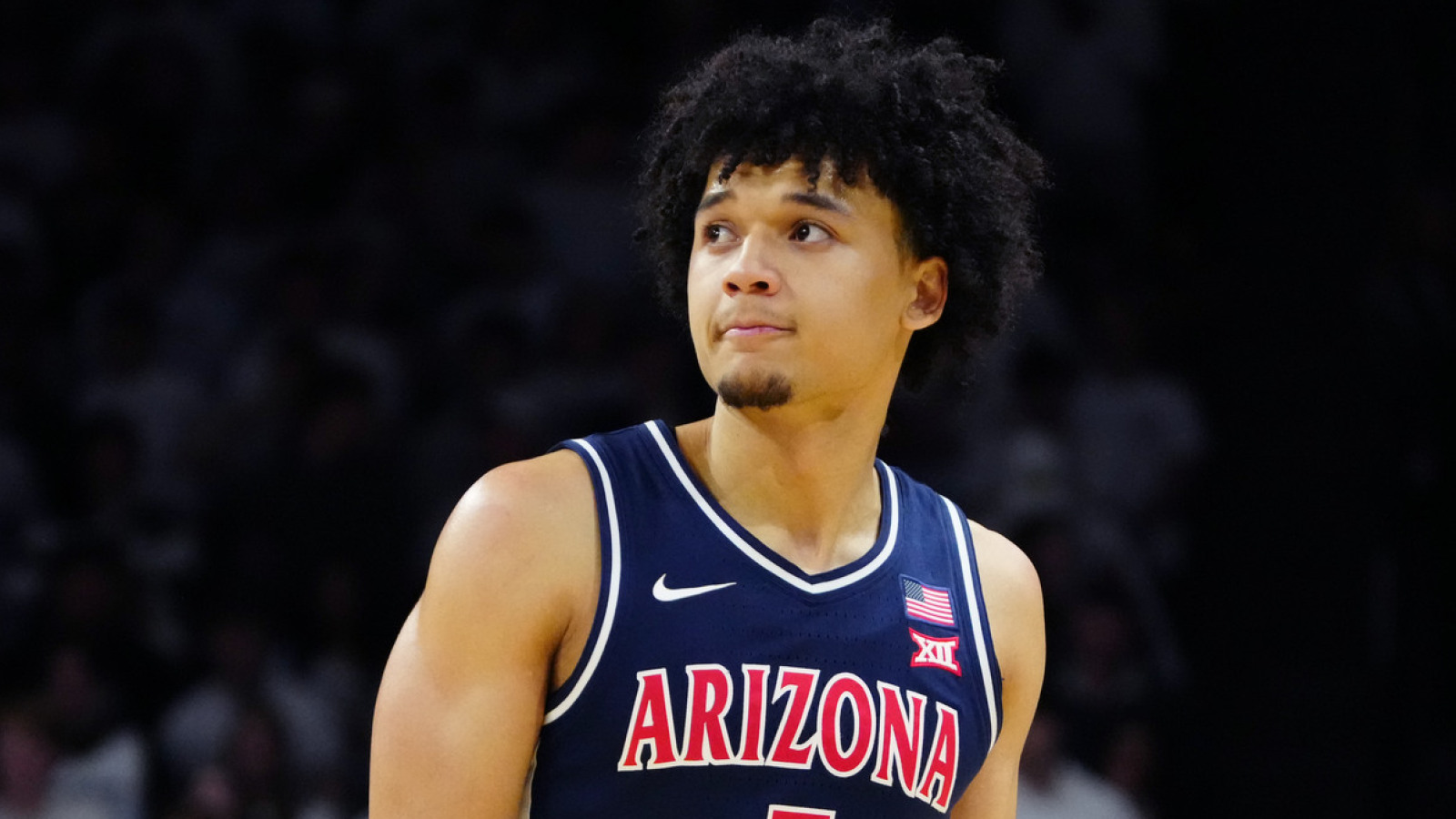
    Arizona (32-2, 16-2 Big 12) | Ability to make three-pointers at a high volume

    Arizona’s ability to overpower opponents with its physical play is one reason it won the Big 12 regular-season and tournament titles. The Wildcats ranked second in the conference in offensive rebounding (12.8 rebounds per game) and first in field-goal percentage (50.2 percent).

    But can Arizona stretch the floor enough? Arizona ranks fifth in the Big 12 in three-point percentage (36 percent) but last in three-pointers attempted (16.3). 

    The Wildcats also lack an elite three-point shooter. Guard Brayden Burries has made a team-leading 55 threes this season, but he ranks 25th in the Big 12 in three-pointers made per game (1.6). 

    Michigan (31-3, 19-1 Big Ten) | Turnovers 

    Michigan features one of the more dynamic offenses in the bracket. Entering Sunday, the Wolverines rank 10th in college basketball in scoring (87.3) and fifth in assists (18.6 per game). 

    Turnovers, though, have plagued the Wolverines throughout the season. Entering Sunday, Michigan averaged the third-most turnovers per game (12.1) in the Big Ten.

    This creates easy offense for Michigan’s opponents. The Purdue Boilermakers scored 13 points off seven Wolverine turnovers in an 80-72 Big Ten Tournament final win on Sunday at the United Center in Chicago. 

    Florida (26-7, 16-2 SEC) | Three-point shooting

    Let’s not mince words; the Gators are a terrible three-point shooting team. Entering Sunday, Florida ranked 12th in the SEC in three-pointers made (7.4) and last in three-point percentage (30.8 percent). 

    The Gators didn’t show any improvement in their three-point shooting during the SEC Tournament. Florida shot 32.4 percent from downtown in two games at Bridgestone Arena in Nashville.   

    Florida, however, overcame awful three-point shooting in last season’s tournament. The Gators shot an abysmal 29.4 percent from three-point range in six games.


    Source link

    Share. Facebook Twitter Pinterest LinkedIn Tumblr Email Telegram Copy Link

    Related Posts

    Sports

    Storylines for the RBC Canadian Open: Will a Canadian win on home soil?

    June 9, 2026
    Sports

    Cristiano Ronaldo, ‘The Bosnian Diamond’ headline the World Cup 40-and-over club

    June 9, 2026
    Sports

    John Harbaugh, Giants urged to cut ties with former first-rounder

    June 9, 2026
    Sports

    Mariners’ J.P. Crawford’s injury opens the lane for one player to start

    June 8, 2026
    Sports

    Phillies’ Brandon Marsh is solidifying his NL All-Star position

    June 8, 2026
    Sports

    Insider shares update on Bucs, Baker Mayfield contract situation

    June 8, 2026
    Editors Picks

    Israel says struck Syrian army camps after Druze ‘attacked’

    March 20, 2026

    Dow to 100K?

    February 10, 2026

    Trump sends border czar, speaks to Minnesota governor

    January 26, 2026

    Why Ty Gibbs could be primed to score first career win at Bristol

    April 7, 2026

    Duke Law Journal Discriminates Against Whites: Report

    July 2, 2025
    About Us
    About Us

    Welcome to Benjamin Franklin Institute, your premier destination for insightful, engaging, and diverse Political News and Opinions.

    The Benjamin Franklin Institute supports free speech, the U.S. Constitution and political candidates and organizations that promote and protect both of these important features of the American Experiment.

    We are passionate about delivering high-quality, accurate, and engaging content that resonates with our readers. Sign up for our text alerts and email newsletter to stay informed.

    Latest Posts

    Storylines for the RBC Canadian Open: Will a Canadian win on home soil?

    June 9, 2026

    The end of the ‘good enough’ worker

    June 9, 2026

    Can Apple and Google stop children from sharing explicit images?

    June 9, 2026

    Subscribe for Updates

    Stay informed by signing up for our free news alerts.

    Paid for by the Benjamin Franklin Institute. Not authorized by any candidate or candidate’s committee.
    • Privacy Policy
    • About us
    • Contact us

    Type above and press Enter to search. Press Esc to cancel.