
Close Menu
    Trending
    • How to Handle a High-Stakes Business Dispute Without Making It Worse
    • This tiny, forgotten organ could help us live longer, healthier
    • AI minister role boosted but tech department axed in Burnham shake-up
    • Putin Meets With Top North Korean Diplomat
    • Elizabeth Warren Endorses Radical DSA Candidate in Michigan Senate Race, is Reminded of Utter Failure of Her Platner Endorsement (VIDEO)
    • Another Rock Legend Turns Against Bruce Springsteen
    • Burnham targets lower energy bills in first move as UK prime minister
    • Argentina deny World Cup villains’ role after Samuel Jackson-led slants | World Cup 2026 News
    Benjamin Franklin Institute
    Tuesday, July 21
    • Home
    • Politics
    • Business
    • Science
    • Technology
    • Arts & Entertainment
    • International
    Benjamin Franklin Institute
    Home»Science»The Southern Delta Aquariids and Alpha Capricornids meteor showers are about to peak
    Science

    The Southern Delta Aquariids and Alpha Capricornids meteor showers are about to peak

    Team_Benjamin Franklin InstituteBy Team_Benjamin Franklin InstituteJuly 20, 2026No Comments4 Mins Read
    Share Facebook Twitter Pinterest Copy Link LinkedIn Tumblr Email VKontakte Telegram
    Share
    Facebook Twitter Pinterest Email Copy Link


    The last week of July 2026 is a meteor shower lover’s dream. Not one but two meteor showers are set to peak, one after the other, from July 28 to July 31.

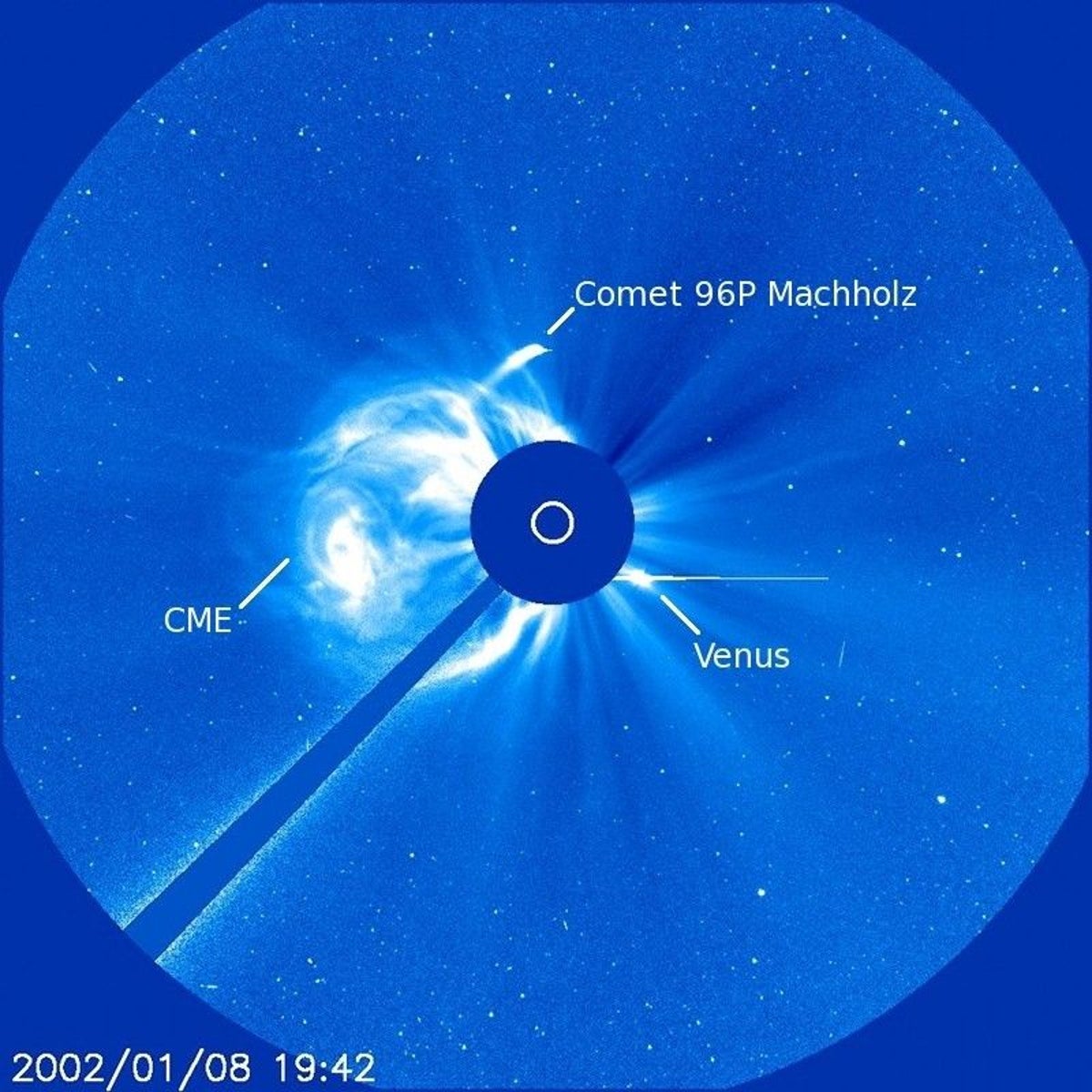
    First up are the Southern Delta Aquariids. This display is actually something of a mystery: Meteors are the dazzling product of Earth passing through trails of debris that come from comets and asteroids. But scientists don’t know which space rock the Southern Delta Aquariids originate from, unlike most showers. The suspected culprit is Comet 96P Machholz, according to NASA.

    The Southern Delta Aquariids get their name from the constellation Aquarius, from which they seem to appear in the sky. They’re typically faint, which means you can best spot them on a moonless night in the hours before dawn.


    On supporting science journalism

    If you’re enjoying this article, consider supporting our award-winning journalism by subscribing. By purchasing a subscription you are helping to ensure the future of impactful stories about the discoveries and ideas shaping our world today.


    This year the peak—the time when sky-gazers can expect the most meteors per minute—falls on July 28 and July 29. It could be possible to see 15 meteors or so an hour during this period, although the moon will be waxing gibbous, meaning they could be obscured somewhat by its light.

    For the best chance of viewing the shower, head somewhere safe and dark outside and be prepared to spend a long time gazing at the sky. The Southern Delta Aquariids are best viewed in the Southern Hemisphere or along southern latitudes of the Northern Hemisphere.

    NASA advises that you lie flat on your back and look about halfway between the horizon and the middle of the sky above you and 45 degrees from Aquarius. Give yourself about 30 minutes for your eyes to adapt to the dark.

    And if you don’t catch these meteors, never fear. You have more chances to see shooting stars at the peak of the Alpha Capricornids on July 30 and July 31.

    The Alpha Capricornids are famous for their slow, bright, colorful fireballs. So although there are fewer meteors an hour during this shower, the luminous nature of the ones that do fall makes up for it.

    These meteors appear to originate in the constellation Capricornus, but they are actually the product of debris from Comet 169P/NEAT. This shower should be visible from both hemispheres.

    Just as with viewing the Southern Delta Aquariids, sky-gazers should venture somewhere dark and safe in the hours before dawn and look up at the night sky for a chance of spotting one of these blistering space rocks as they fall.

    It’s Time to Stand Up for Science

    If you enjoyed this article, I’d like to ask for your support. Scientific American has served as an advocate for science and industry for 180 years, and right now may be the most critical moment in that two-century history.

    I’ve been a Scientific American subscriber since I was 12 years old, and it helped shape the way I look at the world. SciAm always educates and delights me, and inspires a sense of awe for our vast, beautiful universe. I hope it does that for you, too.

    If you subscribe to Scientific American, you help ensure that our coverage is centered on meaningful research and discovery; that we have the resources to report on the decisions that threaten labs across the U.S.; and that we support both budding and working scientists at a time when the value of science itself too often goes unrecognized.

    In return, you get essential news, captivating podcasts, brilliant infographics, can’t-miss newsletters, must-watch videos, challenging games, and the science world’s best writing and reporting. You can even gift someone a subscription.

    There has never been a more important time for us to stand up and show why science matters. I hope you’ll support us in that mission.


    Source link

    Share. Facebook Twitter Pinterest LinkedIn Tumblr Email Telegram Copy Link

    Related Posts

    Science

    This tiny, forgotten organ could help us live longer, healthier

    July 21, 2026
    Science

    A single aspen clone in Utah called Pando covers 106 acres, weighs about 6,000 tonnes, and shares one root system that makes it a single organism roughly 14,000 years old, quietly dying now from mule deer eating every young shoot before it can grow

    July 21, 2026
    Science

    A bitter irony sits in the credits of The Wolf of Wall Street: prosecutors say this film about financial fraud was itself part-funded with money looted from Malaysia’s 1MDB fund — fraud, in effect, bankrolling its own movie

    July 21, 2026
    Science

    Psychology researchers know why The Odyssey transcends time

    July 21, 2026
    Science

    Neanderthals may have been just as smart as modern human peers

    July 20, 2026
    Science

    Inside the race to spot wildfires before they spiral out of control

    July 20, 2026
    Editors Picks

    US arrests relatives of slain Iranian general Soleimani

    April 4, 2026

    Opinion | Of Course Trump Would Use This Word

    January 23, 2026

    Japan PM says Iran war oil crisis having ‘enormous impact’ in Asia Pacific | Energy News

    May 4, 2026

    NY Fed President Believes CPI Data Was “Distorted”

    December 26, 2025

    Dutch privacy watchdog warns voters against asking AI how to vote | Technology News

    October 21, 2025
    About Us
    About Us

    Welcome to Benjamin Franklin Institute, your premier destination for insightful, engaging, and diverse Political News and Opinions.

    The Benjamin Franklin Institute supports free speech, the U.S. Constitution and political candidates and organizations that promote and protect both of these important features of the American Experiment.

    We are passionate about delivering high-quality, accurate, and engaging content that resonates with our readers. Sign up for our text alerts and email newsletter to stay informed.

    Latest Posts

    How to Handle a High-Stakes Business Dispute Without Making It Worse

    July 21, 2026

    This tiny, forgotten organ could help us live longer, healthier

    July 21, 2026

    AI minister role boosted but tech department axed in Burnham shake-up

    July 21, 2026

    Subscribe for Updates

    Stay informed by signing up for our free news alerts.

    Paid for by the Benjamin Franklin Institute. Not authorized by any candidate or candidate’s committee.
    • Privacy Policy
    • About us
    • Contact us

    Type above and press Enter to search. Press Esc to cancel.