
Close Menu
    Trending
    • How smartphones and AI are reshaping our bodies and minds
    • Taylor Swift’s Brutal Wedding Invite Snub To Karlie Kloss Revealed
    • Malaysia slams ‘deafening silence’ over scrapped Norway missile deal
    • France arrests hundreds of rioters nationwide as PSG win Champions League | Football News
    • WCF winners, losers: Victor Wembanyama, SGA rise to the occasion, Chet Holmgren goes missing in Game 7 flop
    • Your workforce doesn’t need more AI. It needs play
    • How big can a galaxy get?
    • The Real Reason Russia Would Invade Europe
    Benjamin Franklin Institute
    Sunday, May 31
    • Home
    • Politics
    • Business
    • Science
    • Technology
    • Arts & Entertainment
    • International
    Benjamin Franklin Institute
    Home»Trending News»Commentary: Kimchi can’t save us from microplastics
    Trending News

    Commentary: Kimchi can’t save us from microplastics

    Team_Benjamin Franklin InstituteBy Team_Benjamin Franklin InstituteMay 29, 2026No Comments2 Mins Read
    Share Facebook Twitter Pinterest Copy Link LinkedIn Tumblr Email VKontakte Telegram
    Share
    Facebook Twitter Pinterest Email Copy Link


    Plastic is typically thought of as an ocean-based problem. That’s partially because the beach is where the research began. Richard Thompson, professor of marine biology at the University of Plymouth and coiner of the term “microplastic”, kept stumbling across plastic waste along the coastline, and subsequently found smaller, microscopic pieces in the sand and seabed. Since then, we’ve learned all about the Great Pacific Garbage Patch (located somewhere between California and Hawaii) and the fact that microplastics linger in seafood.

    Then there’s the soil. In fact, the earth beneath our feet may contain more microplastic than the ocean, with agricultural land particularly plasticky. Researchers estimate that between 31,000 and 42,000 metric tonnes of microplastics are applied to European soils annually via the recycling of sewage sludge.

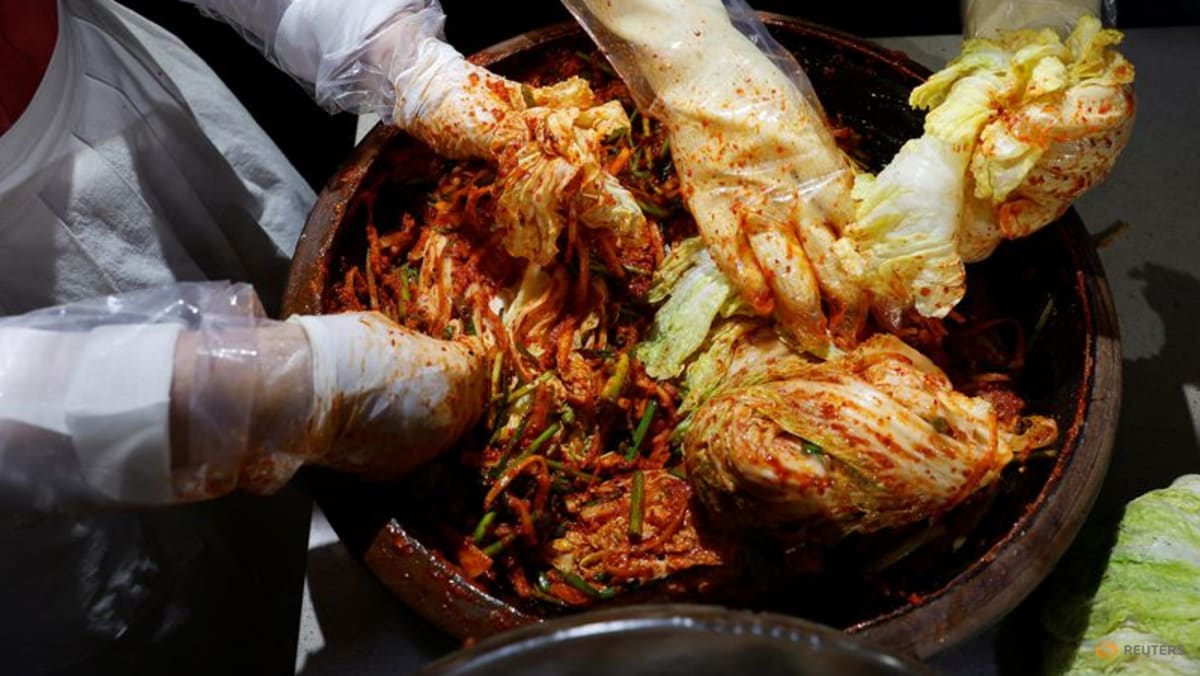
    It gets there via our wastewater, which is full of tiny plastic particles. Tires are a big part of this problem: They wear away as we drive around, then the shreds get washed into the sewage system when it rains. Clothing is another major contributor, with 70 per cent of all apparel made from synthetics such as polyester and elastane, which shed tiny fibers when they’re being made, worn and washed. Human waste is also a microplastic source, aided by kimchi if the Korean study is correct.

    We’re very good at removing microplastics from wastewater. What’s left is a nutritious mulch of biowaste and plastic, 80 per cent of which ends up on agricultural land in the UK. 

    A study from the James Hutton Institute looked at archived soil samples from a sewage sludge experiment that ran between 1994 and 2019. It found that after just four years of sewage sludge application, microplastic levels in soil rose by up to 1,450 per cent. The researchers also found that even after the plots of land were no longer fertilised with sewage waste, levels of microplastics remained the same for more than two decades and counting.


    Source link

    Share. Facebook Twitter Pinterest LinkedIn Tumblr Email Telegram Copy Link

    Related Posts

    Trending News

    Malaysia slams ‘deafening silence’ over scrapped Norway missile deal

    May 31, 2026
    Trending News

    Trump asked for tougher terms in proposed Iran war deal: US media

    May 31, 2026
    Trending News

    Commentary: Methanol, pistachios and cement – other Iranian exports choked by the war

    May 30, 2026
    Trending News

    PSG edge Arsenal on penalties to retain Champions League title

    May 30, 2026
    Trending News

    Israel launches more south Lebanon strikes after warnings

    May 30, 2026
    Trending News

    US warns it is capable of resuming war with Iran as deal remains elusive

    May 30, 2026
    Editors Picks

    United Nations Facing “Imminent Financial Collapse”

    February 2, 2026

    New Scientist Book Club: Author of Red Mars calls ‘bullshit’ on emigrating to the planet

    March 27, 2026

    Nelson Peltz Speaks Out Following Ongoing Beckham Family Feud

    February 4, 2026

    European military powers discuss plans to replace US in Nato

    March 20, 2025

    What we can learn about U.S. disaster response—a year after the LA wildfires

    January 17, 2026
    About Us
    About Us

    Welcome to Benjamin Franklin Institute, your premier destination for insightful, engaging, and diverse Political News and Opinions.

    The Benjamin Franklin Institute supports free speech, the U.S. Constitution and political candidates and organizations that promote and protect both of these important features of the American Experiment.

    We are passionate about delivering high-quality, accurate, and engaging content that resonates with our readers. Sign up for our text alerts and email newsletter to stay informed.

    Latest Posts

    How smartphones and AI are reshaping our bodies and minds

    May 31, 2026

    Taylor Swift’s Brutal Wedding Invite Snub To Karlie Kloss Revealed

    May 31, 2026

    Malaysia slams ‘deafening silence’ over scrapped Norway missile deal

    May 31, 2026

    Subscribe for Updates

    Stay informed by signing up for our free news alerts.

    Paid for by the Benjamin Franklin Institute. Not authorized by any candidate or candidate’s committee.
    • Privacy Policy
    • About us
    • Contact us

    Type above and press Enter to search. Press Esc to cancel.