
Close Menu
    Trending
    • Market Talk – July 16, 2026
    • FBI Investigating Gun Shots Fired at ICE Headquarters in Phoenix * The Gateway Pundit * by Cristina Laila
    • Crystal Hefner Hits Back At Jon Lovitz Over Playboy Past
    • US limits stays of students, journalists
    • Ebola spreading more quickly in DRC, while Uganda is close to being virus-free | Ebola News
    • Red Sox face a tough question for the next two weeks
    • What It Really Takes to Turn Income Into Real Wealth
    • Speeding may be costing drivers far more than a ticket
    Benjamin Franklin Institute
    Thursday, July 16
    • Home
    • Politics
    • Business
    • Science
    • Technology
    • Arts & Entertainment
    • International
    Benjamin Franklin Institute
    Home»Trending News»Commentary: Kimchi can’t save us from microplastics
    Trending News

    Commentary: Kimchi can’t save us from microplastics

    Team_Benjamin Franklin InstituteBy Team_Benjamin Franklin InstituteMay 29, 2026No Comments2 Mins Read
    Share Facebook Twitter Pinterest Copy Link LinkedIn Tumblr Email VKontakte Telegram
    Share
    Facebook Twitter Pinterest Email Copy Link


    Plastic is typically thought of as an ocean-based problem. That’s partially because the beach is where the research began. Richard Thompson, professor of marine biology at the University of Plymouth and coiner of the term “microplastic”, kept stumbling across plastic waste along the coastline, and subsequently found smaller, microscopic pieces in the sand and seabed. Since then, we’ve learned all about the Great Pacific Garbage Patch (located somewhere between California and Hawaii) and the fact that microplastics linger in seafood.

    Then there’s the soil. In fact, the earth beneath our feet may contain more microplastic than the ocean, with agricultural land particularly plasticky. Researchers estimate that between 31,000 and 42,000 metric tonnes of microplastics are applied to European soils annually via the recycling of sewage sludge.

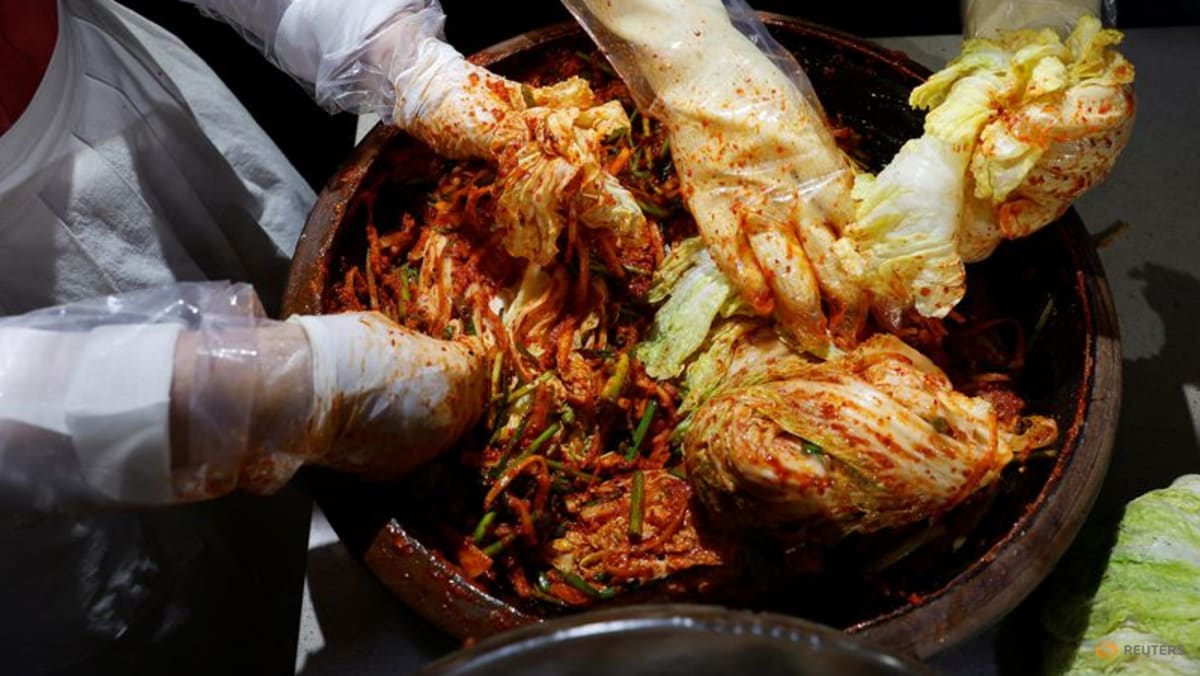
    It gets there via our wastewater, which is full of tiny plastic particles. Tires are a big part of this problem: They wear away as we drive around, then the shreds get washed into the sewage system when it rains. Clothing is another major contributor, with 70 per cent of all apparel made from synthetics such as polyester and elastane, which shed tiny fibers when they’re being made, worn and washed. Human waste is also a microplastic source, aided by kimchi if the Korean study is correct.

    We’re very good at removing microplastics from wastewater. What’s left is a nutritious mulch of biowaste and plastic, 80 per cent of which ends up on agricultural land in the UK. 

    A study from the James Hutton Institute looked at archived soil samples from a sewage sludge experiment that ran between 1994 and 2019. It found that after just four years of sewage sludge application, microplastic levels in soil rose by up to 1,450 per cent. The researchers also found that even after the plots of land were no longer fertilised with sewage waste, levels of microplastics remained the same for more than two decades and counting.


    Source link

    Share. Facebook Twitter Pinterest LinkedIn Tumblr Email Telegram Copy Link

    Related Posts

    Trending News

    US limits stays of students, journalists

    July 16, 2026
    Trending News

    New Zealand downgrades tsunami alert after quake

    July 16, 2026
    Trending News

    Iran tells Houthis to close Red Sea gateway if US hits power network, sources say

    July 16, 2026
    Trending News

    Israel tells Pentagon chief will keep troops in Lebanon, Syria, Gaza ‘security zones’

    July 16, 2026
    Trending News

    US unveils new 25% tariff on certain imports from Brazil

    July 16, 2026
    Trending News

    China and Xi are seen more favourably than the US and Trump in many nations, Pew study suggests

    July 16, 2026
    Editors Picks

    More Evidence Skilled Labor Is Rising In Value

    May 21, 2026

    Supreme Court Overrule’s Trump’s Tariffs

    February 20, 2026

    A third of U.S. adults don’t get enough sleep, new CDC report warns

    May 2, 2026

    Kelly Osbourne Hits Back At Cruel Comments Over Her BRITs Look

    March 3, 2026

    Kyle Tucker is joining the Dodgers in a four-year, $240M stunner

    January 16, 2026
    About Us
    About Us

    Welcome to Benjamin Franklin Institute, your premier destination for insightful, engaging, and diverse Political News and Opinions.

    The Benjamin Franklin Institute supports free speech, the U.S. Constitution and political candidates and organizations that promote and protect both of these important features of the American Experiment.

    We are passionate about delivering high-quality, accurate, and engaging content that resonates with our readers. Sign up for our text alerts and email newsletter to stay informed.

    Latest Posts

    Market Talk – July 16, 2026

    July 16, 2026

    FBI Investigating Gun Shots Fired at ICE Headquarters in Phoenix * The Gateway Pundit * by Cristina Laila

    July 16, 2026

    Crystal Hefner Hits Back At Jon Lovitz Over Playboy Past

    July 16, 2026

    Subscribe for Updates

    Stay informed by signing up for our free news alerts.

    Paid for by the Benjamin Franklin Institute. Not authorized by any candidate or candidate’s committee.
    • Privacy Policy
    • About us
    • Contact us

    Type above and press Enter to search. Press Esc to cancel.