
Close Menu
    Trending
    • Tom Hardy Faces ‘Career Suicide’ Over ‘MobLand’ Set Behavior
    • Meta launches paid subscriptions for Instagram, Facebook, WhatsApp
    • Google employee charged with insider trading over Polymarket bets | Crime News
    • Cristopher Sanchez breaks 115-year-old Phillies record in win
    • Opinion | Why the Liberal Narrative Is ‘Collapsing’
    • Read the fine print before you let an AI agent do your stock trading for you on Robinhood
    • A quantum computing system’s perfect randomness could keep your secrets safe
    • Uganda Closes Border with Congo Over Ebola Fears
    Benjamin Franklin Institute
    Thursday, May 28
    • Home
    • Politics
    • Business
    • Science
    • Technology
    • Arts & Entertainment
    • International
    Benjamin Franklin Institute
    Home»Science»Earliest use of anaesthetics uncovered in Chinese doctor’s tomb
    Science

    Earliest use of anaesthetics uncovered in Chinese doctor’s tomb

    Team_Benjamin Franklin InstituteBy Team_Benjamin Franklin InstituteMay 26, 2026No Comments3 Mins Read
    Share Facebook Twitter Pinterest Copy Link LinkedIn Tumblr Email VKontakte Telegram
    Share
    Facebook Twitter Pinterest Email Copy Link


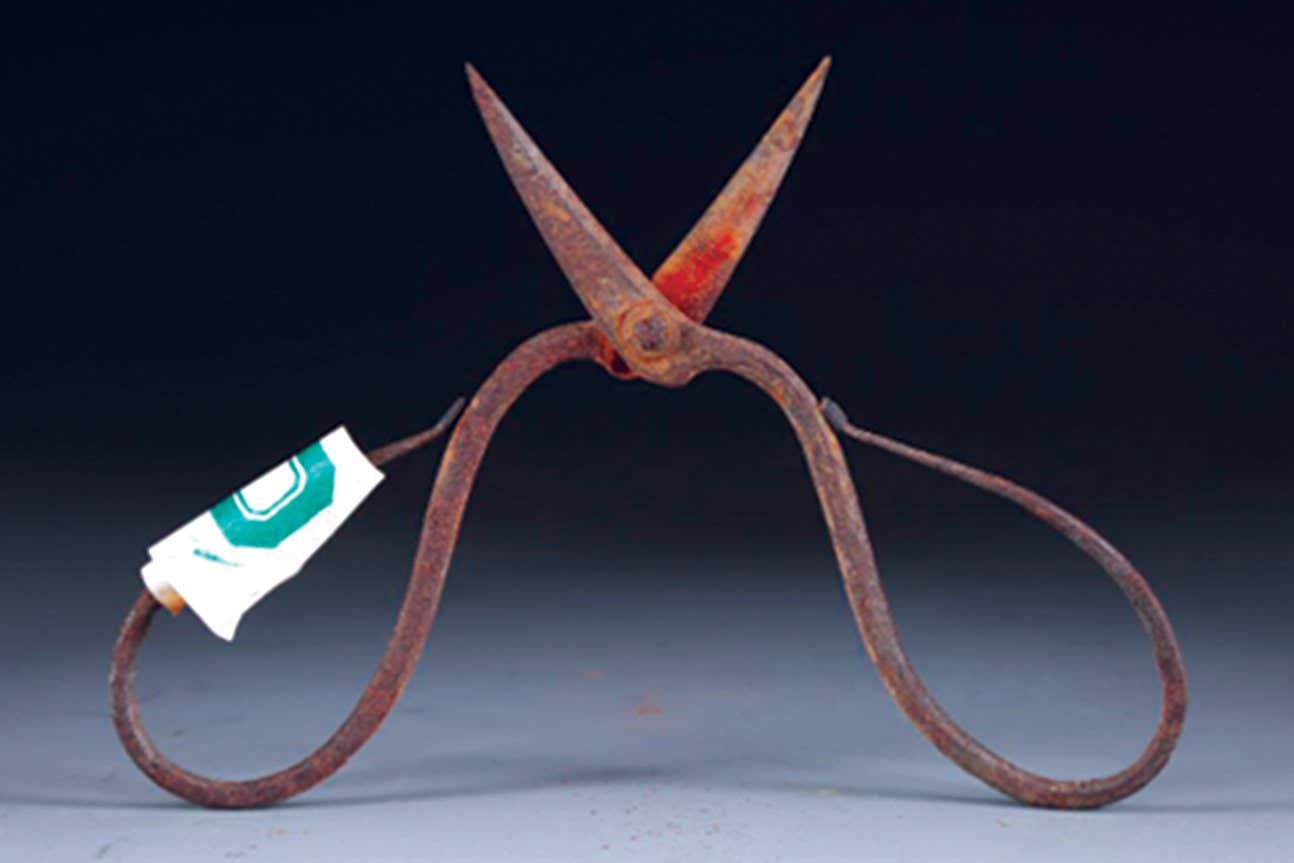
    Scissors and tweezers from the tomb of Xia Quan, with residues containing the anaesthetic aconitine

    Courtesy Xue Ling, et al

    Two medical instruments recovered from the 15th-century tomb of a Chinese surgeon carry traces of an anaesthetic compound, the earliest chemical evidence ever found of doctors attempting to reduce the pain of a medical procedure.

    The surgical scissors and tweezers were unearthed in 1974 from the tomb of a famous doctor named Xia Quan who lived from 1348 to 1411, in Jiangsu province.

    Congcang Zhao at Northwest University in Xi’an, China, and his colleagues used lasers to study the composition of residues on the instruments, revealing traces of aconitine. This compound is produced by plants of the Aconitum genus, commonly known as wolfsbane and monkshood. They are frequently listed as ingredients in ancient Chinese medicinal prescriptions.

    Aconitine interacts with sodium channels in the cell membranes of neurons. At the right dose, it has an anaesthetic effect, but it is highly toxic and is rarely used today due to the risks of poisoning.

    The residues are concentrated on the blades of the scissors and the tips of the tweezers, making it unlikely the presence of aconitine was due to contamination, the researchers say.

    Carney Matheson at Griffith University in Brisbane, Australia, who was not involved in the research, says there’s no doubt that this is the earliest direct evidence of the use of anaesthetics.

    The research suggests that early surgeons knew more about reducing pain than they have previously been given credit for, he says. “Now we can understand why this surgery may have been present or may have been so prolific and actually manageable in the past,” Matheson says.

    Historical texts indicate that Ming dynasty practitioners had developed methods to mitigate the toxicity of aconitine, such as “preparation with boys’ urine, soaking in a black soybean decoction, vinegar-boiling, detoxifying with mung beans and removing the outer skin of the aconite tuber”, Zhao and his colleagues write.

    Isolating the aconitine from such a toxic plant and then working out how to apply it without causing harm to the patient would have required a “tremendous amount of science”, says Matheson.

    “They have to be able to get it out of the plant without harming themselves,” he says. “Then they need to process it so it can be applied to whatever they’re going to need it for, without killing themselves or hurting people. Then they have to make sure that it actually works.”

    Topics:

    • medical drugs /
    • archaeology


    Source link

    Share. Facebook Twitter Pinterest LinkedIn Tumblr Email Telegram Copy Link

    Related Posts

    Science

    A quantum computing system’s perfect randomness could keep your secrets safe

    May 28, 2026
    Science

    First quantum grandfather clock could probe where gravity comes from

    May 27, 2026
    Science

    Embryos made without sperm or eggs reveal why many pregnancies fail

    May 27, 2026
    Science

    NASA plans a base on the moon spanning hundreds of square kilometres

    May 27, 2026
    Science

    We may finally know why gold stays so shiny

    May 27, 2026
    Science

    How the mathematician Gödel proved that not everything can be proven

    May 27, 2026
    Editors Picks

    How Apple’s late AI adoption could transform from a weakness to a strength

    January 26, 2026

    Where will there be a hosepipe ban in the South East?

    July 12, 2025

    Michael Madsen’s Kids Drag His Ex-Wife To Court Over Estate

    April 4, 2026

    A once-fantastical collider could answer physics’ biggest mysteries

    March 31, 2026

    Iran war expected to dominate US-Japan talks as Takaichi lands in Washington

    March 19, 2026
    About Us
    About Us

    Welcome to Benjamin Franklin Institute, your premier destination for insightful, engaging, and diverse Political News and Opinions.

    The Benjamin Franklin Institute supports free speech, the U.S. Constitution and political candidates and organizations that promote and protect both of these important features of the American Experiment.

    We are passionate about delivering high-quality, accurate, and engaging content that resonates with our readers. Sign up for our text alerts and email newsletter to stay informed.

    Latest Posts

    Tom Hardy Faces ‘Career Suicide’ Over ‘MobLand’ Set Behavior

    May 28, 2026

    Meta launches paid subscriptions for Instagram, Facebook, WhatsApp

    May 28, 2026

    Google employee charged with insider trading over Polymarket bets | Crime News

    May 28, 2026

    Subscribe for Updates

    Stay informed by signing up for our free news alerts.

    Paid for by the Benjamin Franklin Institute. Not authorized by any candidate or candidate’s committee.
    • Privacy Policy
    • About us
    • Contact us

    Type above and press Enter to search. Press Esc to cancel.