
Close Menu
    Trending
    • Shadow Walker Was a DIY Biped Humanoid Robot
    • ‘Love Island’ Contestant Booted From Show Over Slur
    • No Dong Jun, but plenty of China at Shangri-La Dialogue
    • Satellite imagery shows erasure of southern Gaza as Israel expands control | Crimes Against Humanity News
    • 17-year-old Spurs fan suffers tragedy during victory celebration
    • Kevin O’Leary believes his 10,000-acre data center can be ‘beautiful’
    • These exotic particles could break physics
    • Trace Cyrus Unleashes On Sister Brandi In Fiery Post
    Benjamin Franklin Institute
    Sunday, May 31
    • Home
    • Politics
    • Business
    • Science
    • Technology
    • Arts & Entertainment
    • International
    Benjamin Franklin Institute
    Home»World Economy»The power struggle in the world’s narrow seas
    World Economy

    The power struggle in the world’s narrow seas

    Team_Benjamin Franklin InstituteBy Team_Benjamin Franklin InstituteMay 24, 2026No Comments3 Mins Read
    Share Facebook Twitter Pinterest Copy Link LinkedIn Tumblr Email VKontakte Telegram
    Share
    Facebook Twitter Pinterest Email Copy Link


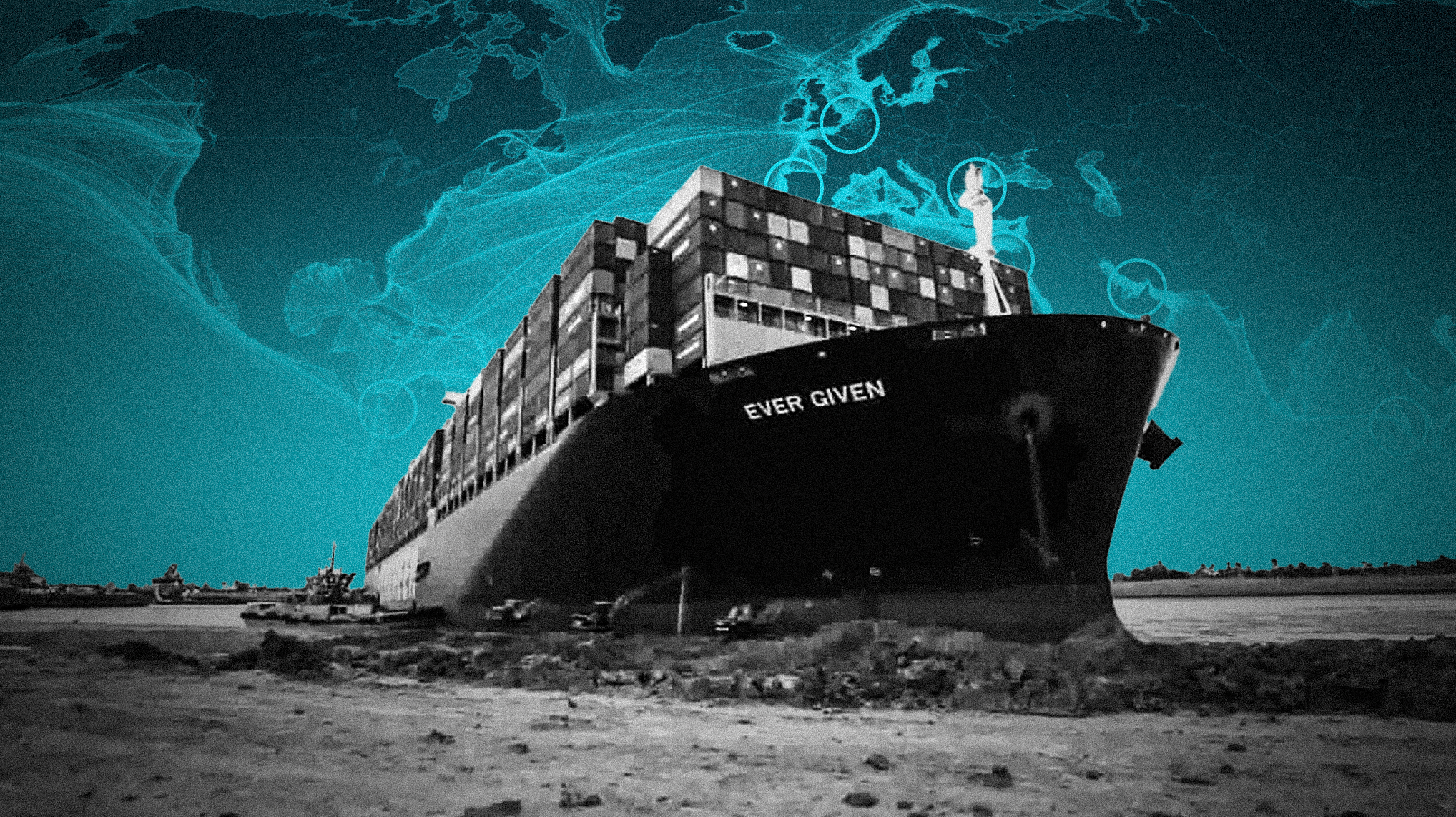
    It has become much harder to forget since the effective closure of the Strait of Hormuz.

    Hundreds rather than the usual thousands of vessels have passed through the strait since March 5.

    “This really feels like a global crisis, a little similar to what happened with Covid-19,” says Rystad’s Abramov. Gasoline and diesel prices have surged, and jet fuel and fertiliser are already in short supply; food prices are expected to rise, while the next phase of the crisis is likely to lead to fuel rationing and industrial shutdowns, experts have said.

    Policymakers are debating when recession may set in. “The word on everyone’s lips is stagflation,” a senior European industrialist says. “The longer this goes on, the more I worry about it.”

    As the disruption has stretched on for months, companies have been forced to find radical workarounds. Some are trying to transport goods via land — either through existing oil pipelines or using trucks.

    Danish logistics group DSV, market leader in the Middle East, is moving cargo through Saudi Arabia and Turkey. “When everything is flowing, you don’t consider your job vital. But if you can’t get cargo in, the people there can’t eat,” says Jens Lund, the company’s head.

    Lorries, however, can replace only a small share of the capacity provided by large container and cargo ships, while border crossings and challenging terrain can further slow their transit.

    Battle for control

    Western countries have traditionally worried about routes in the Middle East, fearing that any regional conflict could limit access to the Red Sea, Suez or the Bosphorus.

    But Trump has placed the Panama Canal at the heart of his vision of hemispheric defence – accusing China of trying to control the waterway, and threatening to take control of it himself. A Hong Kong-based conglomerate previously ran two ports on the canal, until Panama annulled its contracts earlier this year. China has called the US president’s claims groundless and said it wants to keep the canal neutral.

    Nonetheless Trump’s moves may encourage Beijing to “rekindle building a Nicaragua Canal”, says Jensen, referring to a concession granted to a Chinese businessman in 2013 to develop a new rival waterway – though little came of it.

    Following Trump’s threats and the cancellation of the port contracts, China has increased inspections of Panamanian-flagged vessels, leading to reports of ships reflagging, he adds. China’s foreign ministry said in March that its inspections were in accordance with laws and regulations.

    A Chinese academic in Beijing, who asked not to be identified, says Panama’s move on the ports “would not be forgotten in Beijing, which would improve its projection of hard power to ensure that this did not happen again in other important strategic chokepoints”.

    “Right now, the cost is very limited [for countries like Panama], but I think in the future, this is not going to be tolerated,” he says.


    Source link

    Share. Facebook Twitter Pinterest LinkedIn Tumblr Email Telegram Copy Link

    Related Posts

    World Economy

    The Real Reason Russia Would Invade Europe

    May 31, 2026
    World Economy

    Why Iran Can Win | Armstrong Economics

    May 30, 2026
    World Economy

    Market Talk – May 29, 2026

    May 29, 2026
    World Economy

    Inflation Is Not Going Away

    May 29, 2026
    World Economy

    Medical Kidnapping Legal In Canada – Biophysicist Silenced For Dissent

    May 29, 2026
    World Economy

    NY Fed: 14% Of US Households Experience Food Insecurity

    May 29, 2026
    Editors Picks

    Wendy’s is closing hundreds of U.S. restaurants as domestic sales slide

    February 16, 2026

    North Korea’s Kim Jong Un pushes more missile production as ‘war deterrent’ | Kim Jong Un News

    December 26, 2025

    Canada’s Carney hails ‘strategic partnership’ in talks with Xi

    January 16, 2026

    Photos Show How Miserable The Flight Delays Have Become In The US

    December 13, 2025

    Ichiro Suzuki’s statue unveiling goes poorly for Mariners

    April 11, 2026
    About Us
    About Us

    Welcome to Benjamin Franklin Institute, your premier destination for insightful, engaging, and diverse Political News and Opinions.

    The Benjamin Franklin Institute supports free speech, the U.S. Constitution and political candidates and organizations that promote and protect both of these important features of the American Experiment.

    We are passionate about delivering high-quality, accurate, and engaging content that resonates with our readers. Sign up for our text alerts and email newsletter to stay informed.

    Latest Posts

    Shadow Walker Was a DIY Biped Humanoid Robot

    May 31, 2026

    ‘Love Island’ Contestant Booted From Show Over Slur

    May 31, 2026

    No Dong Jun, but plenty of China at Shangri-La Dialogue

    May 31, 2026

    Subscribe for Updates

    Stay informed by signing up for our free news alerts.

    Paid for by the Benjamin Franklin Institute. Not authorized by any candidate or candidate’s committee.
    • Privacy Policy
    • About us
    • Contact us

    Type above and press Enter to search. Press Esc to cancel.