
Close Menu
    Trending
    • The ‘Rushing TD leaders by NFL team’ quiz
    • ROMTech CEO Peter Arn on Scaling Home Rehab Care
    • U.S. approval of giant ‘space mirror’ satellite alarms astronomers
    • President Trump Ends Primetime Foreign Election Interference Address to Nation with Epic Line on SAVE America Act (VIDEO)
    • Adam Driver’s Rumored ‘X-Men’ Connection To ‘Star Wars’ Co-Star
    • Trump accuses China of 2020 voting interference, contradicting US intelligence findings
    • Brazilian football legend Pele’s World Cup shirt sells for $4.9m | Football
    • Mets reportedly open for trade business — but who all will go?
    Benjamin Franklin Institute
    Friday, July 17
    • Home
    • Politics
    • Business
    • Science
    • Technology
    • Arts & Entertainment
    • International
    Benjamin Franklin Institute
    Home»World Economy»The power struggle in the world’s narrow seas
    World Economy

    The power struggle in the world’s narrow seas

    Team_Benjamin Franklin InstituteBy Team_Benjamin Franklin InstituteMay 24, 2026No Comments3 Mins Read
    Share Facebook Twitter Pinterest Copy Link LinkedIn Tumblr Email VKontakte Telegram
    Share
    Facebook Twitter Pinterest Email Copy Link


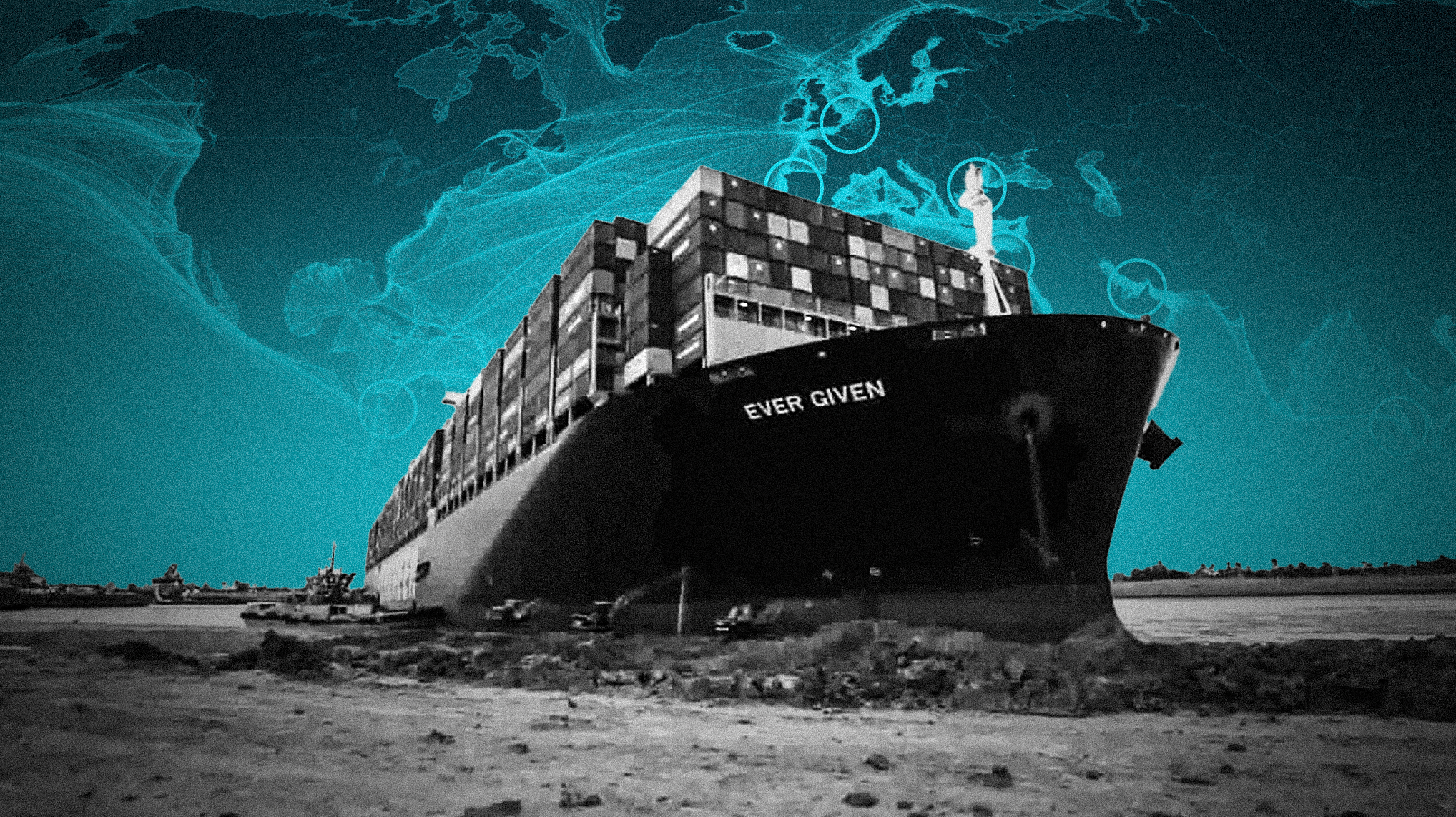
    It has become much harder to forget since the effective closure of the Strait of Hormuz.

    Hundreds rather than the usual thousands of vessels have passed through the strait since March 5.

    “This really feels like a global crisis, a little similar to what happened with Covid-19,” says Rystad’s Abramov. Gasoline and diesel prices have surged, and jet fuel and fertiliser are already in short supply; food prices are expected to rise, while the next phase of the crisis is likely to lead to fuel rationing and industrial shutdowns, experts have said.

    Policymakers are debating when recession may set in. “The word on everyone’s lips is stagflation,” a senior European industrialist says. “The longer this goes on, the more I worry about it.”

    As the disruption has stretched on for months, companies have been forced to find radical workarounds. Some are trying to transport goods via land — either through existing oil pipelines or using trucks.

    Danish logistics group DSV, market leader in the Middle East, is moving cargo through Saudi Arabia and Turkey. “When everything is flowing, you don’t consider your job vital. But if you can’t get cargo in, the people there can’t eat,” says Jens Lund, the company’s head.

    Lorries, however, can replace only a small share of the capacity provided by large container and cargo ships, while border crossings and challenging terrain can further slow their transit.

    Battle for control

    Western countries have traditionally worried about routes in the Middle East, fearing that any regional conflict could limit access to the Red Sea, Suez or the Bosphorus.

    But Trump has placed the Panama Canal at the heart of his vision of hemispheric defence – accusing China of trying to control the waterway, and threatening to take control of it himself. A Hong Kong-based conglomerate previously ran two ports on the canal, until Panama annulled its contracts earlier this year. China has called the US president’s claims groundless and said it wants to keep the canal neutral.

    Nonetheless Trump’s moves may encourage Beijing to “rekindle building a Nicaragua Canal”, says Jensen, referring to a concession granted to a Chinese businessman in 2013 to develop a new rival waterway – though little came of it.

    Following Trump’s threats and the cancellation of the port contracts, China has increased inspections of Panamanian-flagged vessels, leading to reports of ships reflagging, he adds. China’s foreign ministry said in March that its inspections were in accordance with laws and regulations.

    A Chinese academic in Beijing, who asked not to be identified, says Panama’s move on the ports “would not be forgotten in Beijing, which would improve its projection of hard power to ensure that this did not happen again in other important strategic chokepoints”.

    “Right now, the cost is very limited [for countries like Panama], but I think in the future, this is not going to be tolerated,” he says.


    Source link

    Share. Facebook Twitter Pinterest LinkedIn Tumblr Email Telegram Copy Link

    Related Posts

    World Economy

    Market Talk – July 16, 2026

    July 16, 2026
    World Economy

    The Ebb & Flow | Armstrong Economics

    July 16, 2026
    World Economy

    Fed Chair Kevin Warsh’s Testimony

    July 16, 2026
    World Economy

    US Wholesale Inflation Falls, But Governments Are Still Broke

    July 16, 2026
    World Economy

    The Fed Still Doesn’t Understand Where Inflation Comes From

    July 16, 2026
    World Economy

    Rigging Elections | Armstrong Economics

    July 16, 2026
    Editors Picks

    Ecuador captures ‘Fito’, country’s most wanted fugitive gang leader | Crime News

    June 26, 2025

    Tariffs test Japanese carmakers’ shock absorbing powers

    July 2, 2025

    Why The Theory Of The Dollar Will Crash Is Sophistry

    December 23, 2025

    AI Data Centers Face Skilled Worker Shortage

    January 17, 2026

    AI is trained to spot warning signs in blood tests

    December 28, 2024
    About Us
    About Us

    Welcome to Benjamin Franklin Institute, your premier destination for insightful, engaging, and diverse Political News and Opinions.

    The Benjamin Franklin Institute supports free speech, the U.S. Constitution and political candidates and organizations that promote and protect both of these important features of the American Experiment.

    We are passionate about delivering high-quality, accurate, and engaging content that resonates with our readers. Sign up for our text alerts and email newsletter to stay informed.

    Latest Posts

    The ‘Rushing TD leaders by NFL team’ quiz

    July 17, 2026

    ROMTech CEO Peter Arn on Scaling Home Rehab Care

    July 17, 2026

    U.S. approval of giant ‘space mirror’ satellite alarms astronomers

    July 17, 2026

    Subscribe for Updates

    Stay informed by signing up for our free news alerts.

    Paid for by the Benjamin Franklin Institute. Not authorized by any candidate or candidate’s committee.
    • Privacy Policy
    • About us
    • Contact us

    Type above and press Enter to search. Press Esc to cancel.