

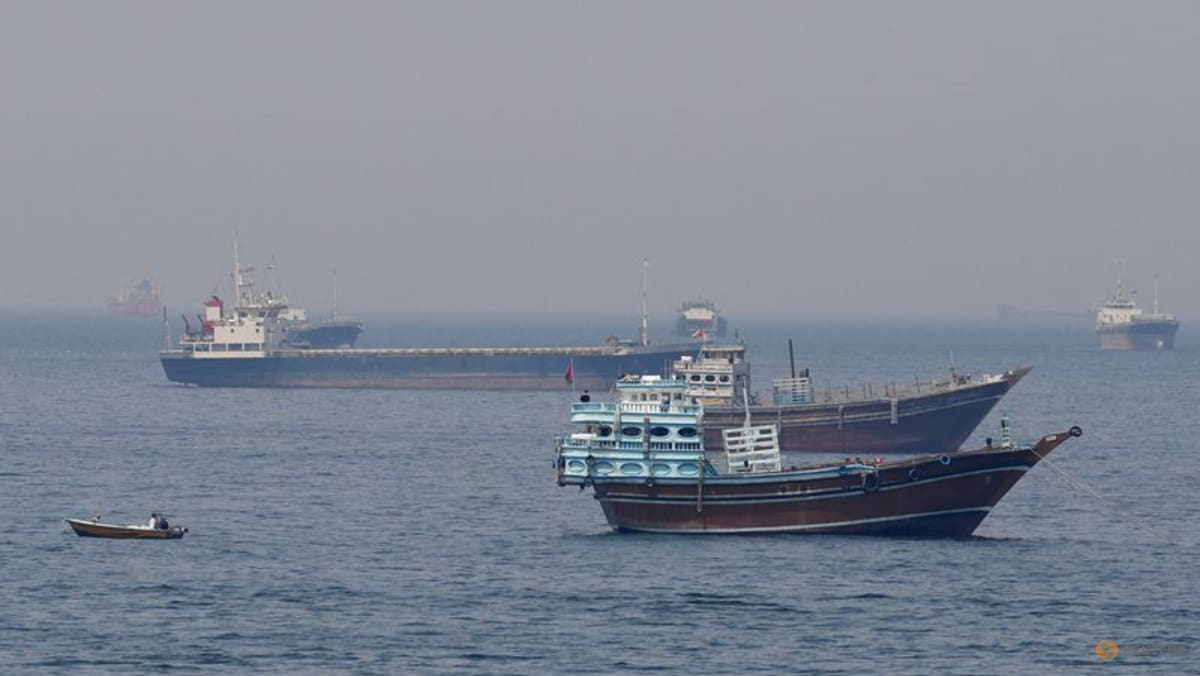
With security uncertain, many vessels have been forced to reroute, often taking longer journeys around the Cape of Good Hope instead of using shorter routes through the Middle East and Suez Canal.
These diversions come at a cost, including high fuel consumption and ultimately higher prices for consumers, Kazakos said.
“Shipping is a resilient industry that has been for centuries and will always be. We’re always going to find ways to improvise, adapt, overcome,” he added.
“However, we will very much like to see the opening of all the waterways … because that is the main preferred route, in order to maximise efficiency for the service we provide, and at the same time to be reliable to the customers we serve.”
As geopolitical tensions reshape the operating environment, shipping leaders are calling for clearer and more consistent support from governments.
“We need to have adherence to international law. We need to have freedom of navigation … and a trust and reliable regulatory framework. Because without that … we will not be able to provide the services.” Kazakos said.
“Shipping is the lifeblood of world trade, and therefore we need to have stability, security and predictability.”