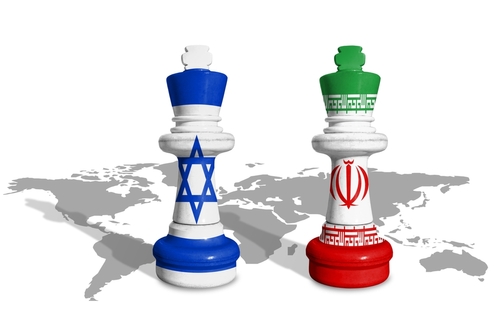
QUESTION: I understand that Socrates is projecting the future from historical data. It is not your personal opinion and you do not incorporate prophecy since each religion also has different stories of end days. I am just curious, Socrates with all the arrays are projecting 2032 as does your Economic Confidence Model. It appears looking at the arrays across the board, they have predicted this war with amazing accuracy as they did in picking Ukraine more than a year in advance and the October 7 Hammas attack on Israel. You have Iran peaking out in 2027 and Israel looking rather grim post-2028. Since you see this Armageddon unfolding not as divine will, but deliberate human intervention, does that make 2032 the fulfillment of these prophecies?
Richard
ANSWER: This is a question that I have always found challenging. Can a prophecy be fulfilled because people deliberately attempt to force it to take place? History is filled with periods where the belief in an imminent, world-ending battle of Armageddon-like has surged, often during times of profound social crisis, war, or religious upheaval. These “rising beliefs” are usually not isolated but are part of broader apocalyptic and millenarian movements. However, the first record of such a final battle is not from the Bible, but from Iran – Persia.
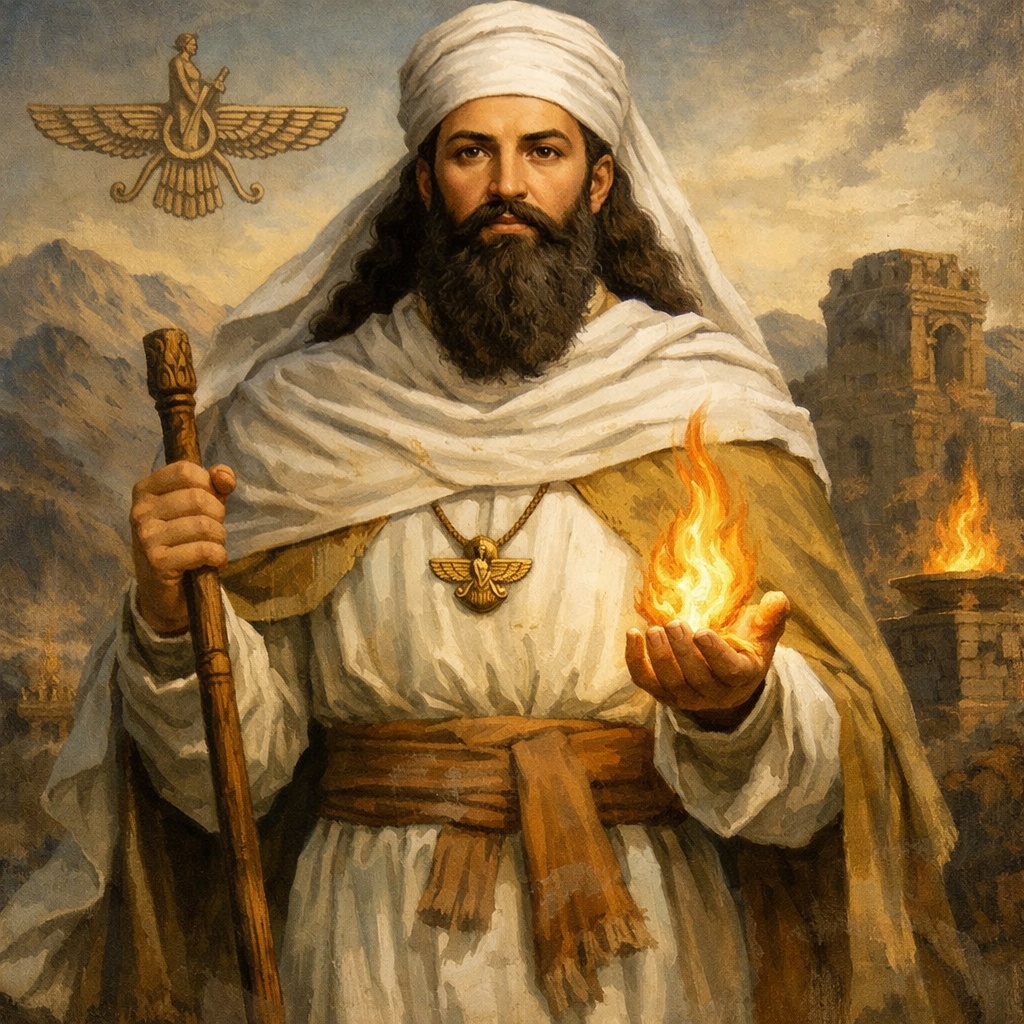
The core concept of a final cosmic battle has ancient roots. Many historians trace this worldview back to the Persian prophet Zoroaster (around 1500 BC), who spoke of a cosmic struggle between good and evil ending in a perfect new world. This idea deeply influenced Jewish thought during times of great oppression, such as the Babylonian exile and the persecution by Greek rulers. The Book of Daniel (written around 167 BC) is a key text from this period, promising that God would soon overthrow the evil kingdoms oppressing the Jews. Early Christianity emerged from this same apocalyptic Jewish context, with followers believing Jesus’s return was imminent.
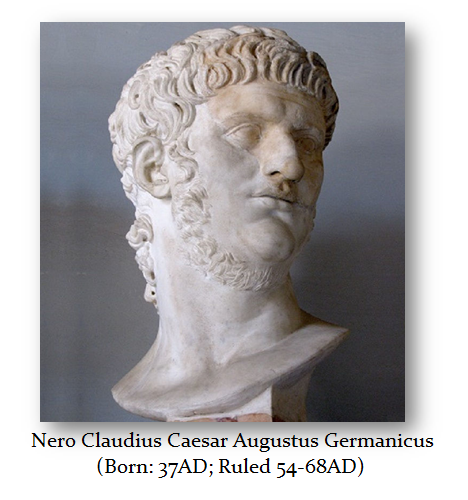
Some early Christians called Nero (54-68AD) the Antichrist because his brutal persecution of Christians as the scapegoat blaming them for the great fire of Rome in 64AD. After the Great Fire of Rome, Nero drastically reduced the silver purity of coins to fund reconstruction . This severe economic crisis and debasement fueled unrest and was interpreted by early Christians as a sign of a corrupt world power, fitting the profile of the “beast” from Revelation. There was even the claim that he would return from the dead, and a possible hidden code in the Book of Revelation (the number 666) made him fit the profile of the ultimate evil figure predicted in the Bible. Nero’s Greek and Latin shortened name was Neron Caesar. In Hebrew, it is written as נרון קסר (Nron Qsr). Adding the numerical value of the shorten name Nero with Caesar equaled 666. This was a popular among some early Christians. That was obviously cherry-picking only a portion of his name.
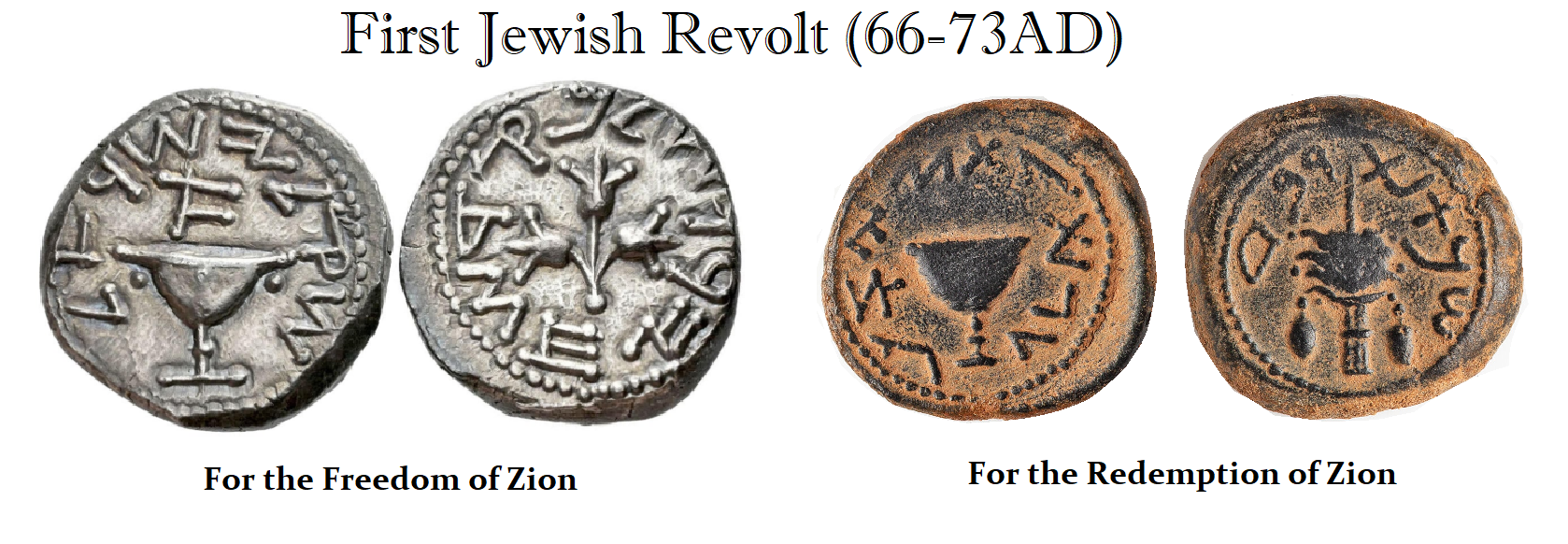
The Jewish Rebellion 69-73AD saw Jewish silver coins issued displaying a chalice with the Paleo-Hebrew inscription “For the Freedom of Zion.” The reverse was a lulav (palm frond) and etrog (citron) used in Sukkot. They were minted during the Roman siege of Jerusalem, just before the Temple’s destruction. The inscription shifted from earlier coins reading “For the Freedom of Zion” to “For the Redemption of Zion,” reflecting a shift from political hope to a desperate prayer for divine, messianic salvation as the end drew near. “For the Redemption of Zion” coins are direct archaeological evidence of a population actively anticipating the end as they knew it.
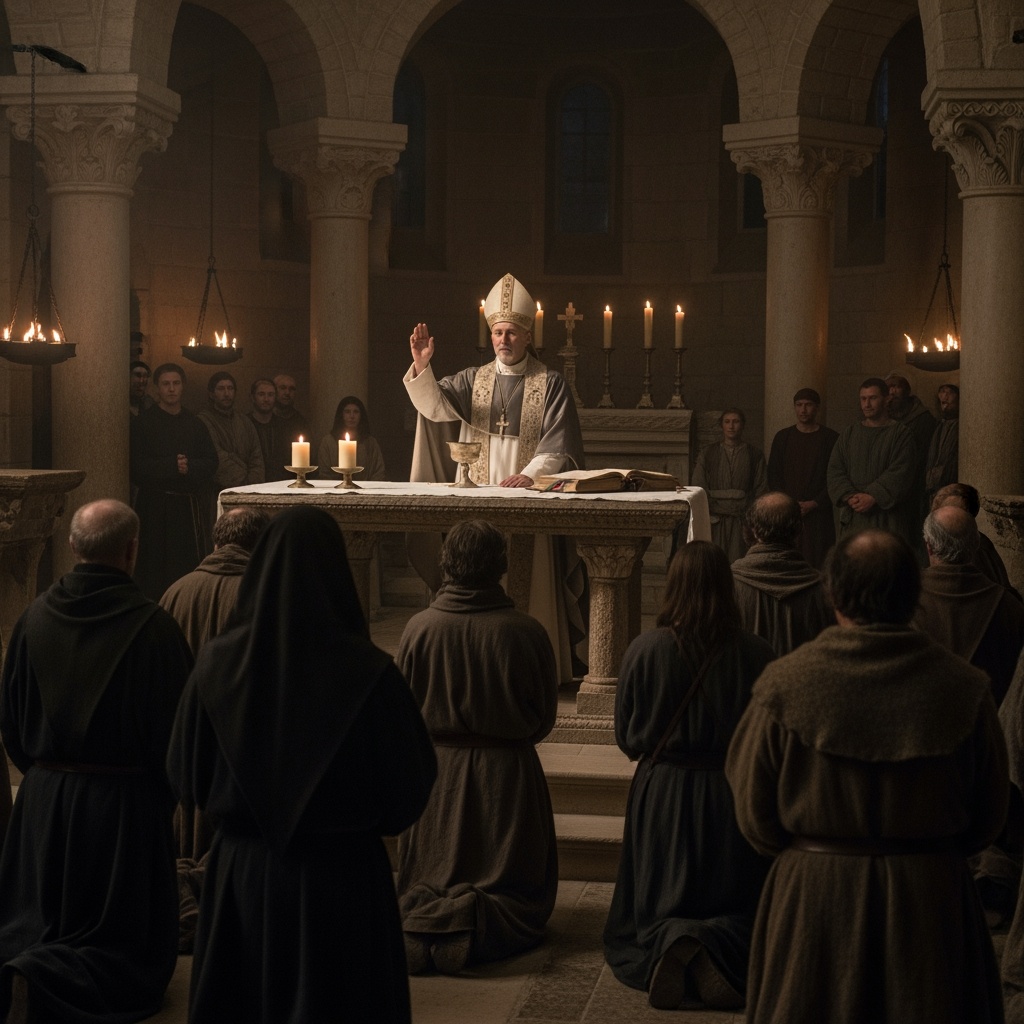
The Early Middle Ages (c. 400–1050 AD) saw the fall of the Western Roman Empire, rise of Islam, and political instability. A dominant force in politics and religion; belief in the coming Antichrist and Last World Emperor was all the talk. Recent scholarship shows that apocalyptic expectation was a powerful part of mainstream political ideologies for centuries. There was a genuine expectation surrounding the first millennium after Christ. In 999AD, Pope Sylvester II presided over a dramatic midnight mass in Rome as pilgrims trembled, anticipating the end.
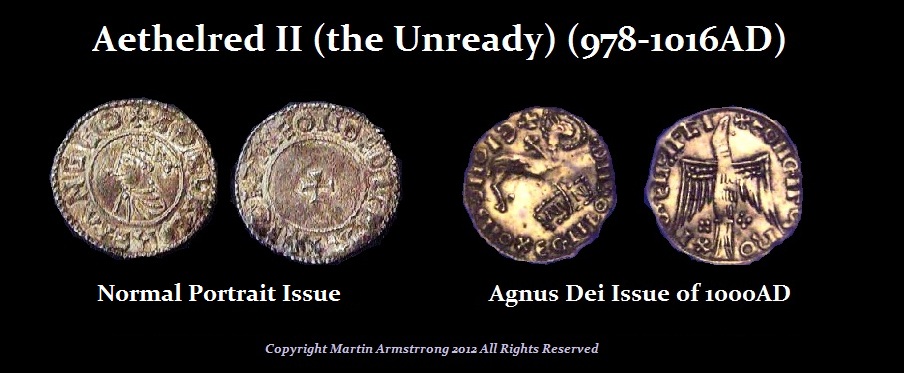
The “Agnus Dei” silver penny was a unique moment in English history—a king setting aside his own image to plead for heavenly help during a national emergency. King Æthelred II did issue the remarkable “Agnus Dei” penny that replaced his portrait with the Lamb of God, This coin is one of the rarest and most unusual in English history. Instead of a portrait of the king, the front side (obverse) depicts the Agnus Dei (Lamb of God), and the back (reverse) shows a dove, representing the Holy Spirit.
The Millennium Theory has been argued that people in 1000 AD feared the end of the world was approaching because who;le numbers often have psychological impact. Some religious scholars speculated on the date of a widespread religious anticipation. Æthelred’s coin was a practical and spiritual weapon. Yet it has also been argued that it was issued against a very real invasion by the Viking army of 1009. They speculate that the coin was minted around Michaelmas (September 29th) in 1009, nearly a decade after the year 1000. It was created during a moment of extreme national crisis when a massive Viking army led by Thorkell the Tall invaded England. That made it a “Heavenly” Call to Action: In response, King Æthelred and his council met in Bath and initiated a program of national penance and prayer. It is believed to have intended to invoke divine intervention, essentially asking God to help the English when earthly measures were failing. Removing the king’s portrait to feature only religious imagery was a radical sign of humility and desperation.
High & Late Middle Ages (11th–16th Century) Social upheaval, economic inequality, Crusades, plague Revolutionary movements led by “rootless poor”; belief they were the saints destined to destroy the Antichrist.
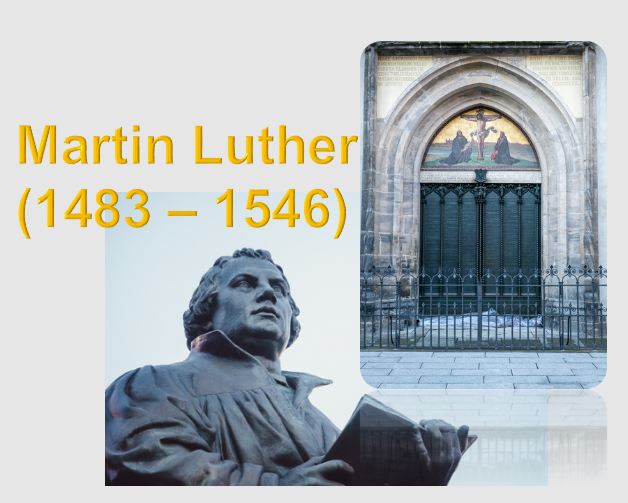
Many Protestant Reformers, including Martin Luther, John Calvin, and Thomas Cranmer, identified the Pope as the Antichrist. This claim was a formal accusation rooted in their interpretation of Scripture and a reaction to what they saw as a systemic abuse of power within the medieval Church. The Reformers believed the papacy matched the biblical description of the Antichrist found in passages like 2 Thessalonians 2:3-4, which speaks of a “man of lawlessness” who “exalts himself above all that is called God.”
The famous claim that a pope fits the number 666, but unlike the case of Nero, this claim has been factually debunked and is based on prejudice.
The idea centers on an unofficial Latin title for the pope, “Vicarius Filii Dei” (Vicar of the Son of God). Here is the calculation that some Protestant groups, particularly Seventh-day Adventists. The problem is that in Latin “U” is written as a “V” and there is no “W” either. Thus they calculated:
V, I, C, I, V, I, L, I, I, D, I 5 + 1 + 100 + 1 + 5 + 1 + 50 + 1 + 1 + 500 + 1 666
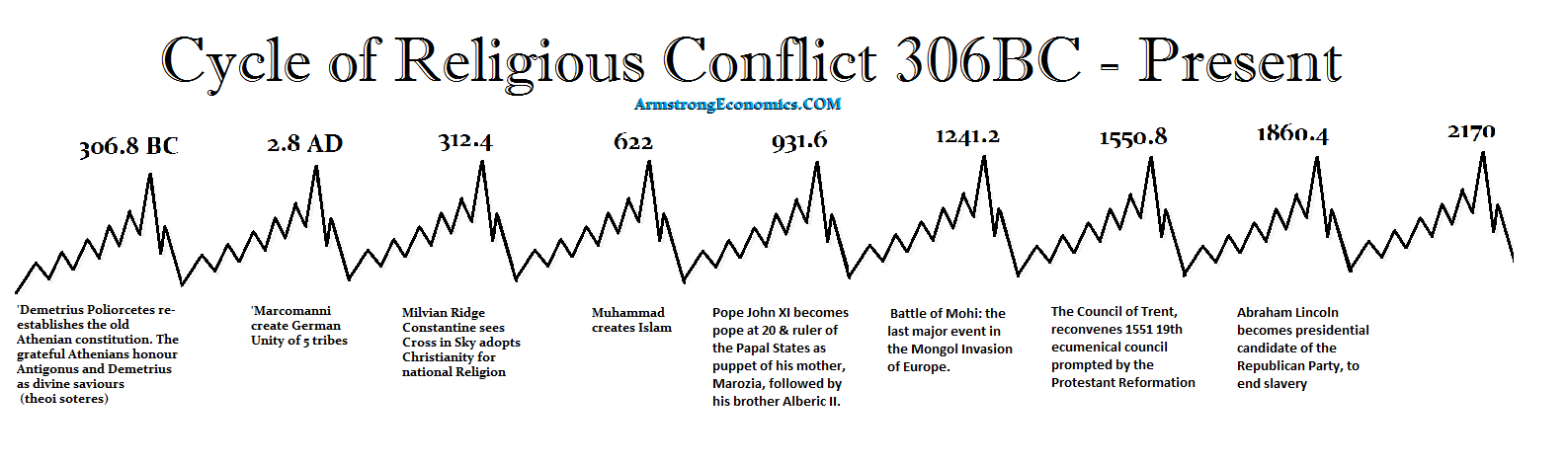
The Protestant Reformation (16th–17th Century) The splitting of Western Christendom. In the Modern Era (19th–20th Century) World wars, Cold War tensions, the founding of Israel Rise of new denominations (e.g., Seventh-day Adventists, Jehovah’s Witnesses) focused on Bible prophecy and current events.
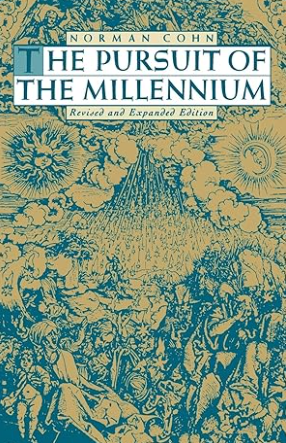
Norman Cohn’s classic work, The Pursuit of the Millennium, documents how, between the end of every millennium results in apocalyptic prophecies that merge with social revolt. Poor and disenfranchised groups formed revolutionary movements, convinced they were the saints destined to destroy the Antichrist and usher in a new, egalitarian world.
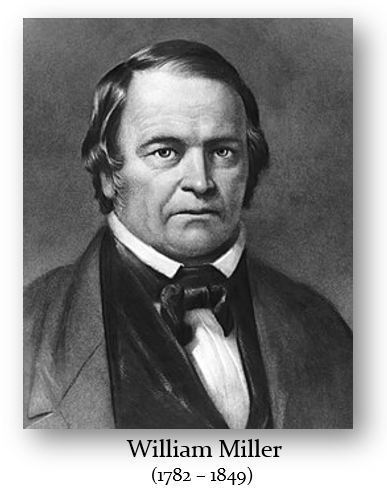
 The 19th and 20th centuries saw a significant revival of end-times belief, often tied to world events that were interpreted as fulfilling biblical prophecy. In the 1840s, William Miller led a movement in America that predicted Christ’s return in 1844. When this “Great Disappointment” failed, it gave rise to the Seventh-day Adventist Church, which developed complex teachings on the end times and Armageddon.
During the 20th century Cold War, this provided a powerful fuel for apocalyptic speculation. The creation of Israel in 1948 was seen by many dispensationalist Christians as a key sign preceding Armageddon. The Cold War’s nuclear threat added a new dimension of plausibility, and publications like the Detroit Jewish News in 1983 noted that “prophets of doom” found a platform during these crises, with Armageddon “again on the agenda.”
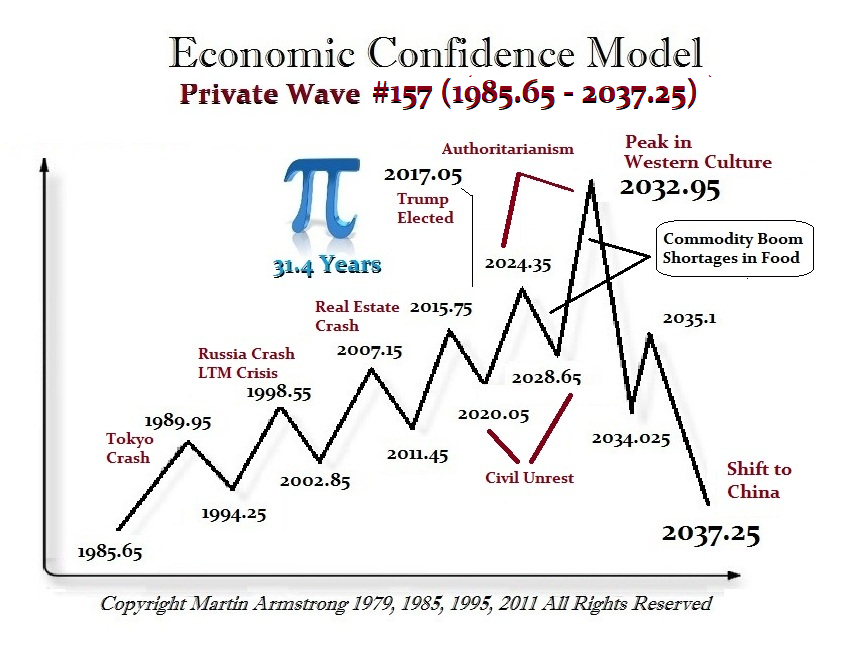
Armageddon has remained a potent concept throughout history, surfacing powerfully during times of crisis when the existing order seems to be collapsing. We are in a global recessionary trend that varies. With this Iran War, the greatest impact on fuel will be Europe and Asia. The United States get about 3-5% of all fuel consumed from the Middle East. This is also why Saudi Ariba is cutting deals with China. We see tensions rising and we are looking at a Sovereign Debt Crisis even in the Middle East and Iran has shut down the Strait of Hormuz. We also see a serious debt crisis in Europe and all of this is coming to a head economically into 2032. So is this Armageddon? The computer does NOT show that this is the end of the world. However, we are looking for the power shift from the West to China.