
Close Menu
    Trending
    • China urges US to preserve ‘stability’ in ties, warns Taiwan is ‘risk point’
    • US Congress passes bill to resume funding for DHS and end partial shutdown | Police News
    • The ‘Most NBA Playoff 3’s all-time’ quiz
    • Why your favorite artist has a green check on their Spotify profile
    • The rich but complicated legacy of genome pioneer Craig Venter
    • DAIMON Robotics Wants to Give Robot Hands a Sense of Touch
    • Iran & The Drawn-Out Cold War
    • Evangeline Lilly Slams Disney Amid Massive Layoffs
    Benjamin Franklin Institute
    Thursday, April 30
    • Home
    • Politics
    • Business
    • Science
    • Technology
    • Arts & Entertainment
    • International
    Benjamin Franklin Institute
    Home»Science»The hidden power of epigenetics: Best ideas of the century
    Science

    The hidden power of epigenetics: Best ideas of the century

    Team_Benjamin Franklin InstituteBy Team_Benjamin Franklin InstituteJanuary 28, 2026No Comments3 Mins Read
    Share Facebook Twitter Pinterest Copy Link LinkedIn Tumblr Email VKontakte Telegram
    Share
    Facebook Twitter Pinterest Email Copy Link


    At the dawn of the millennium, the number of genes in our genome was still up for discussion. When we finally got our first official estimate, the number was so far below expectations that it helped turbocharge a movement to rethink the evolutionary process.

    In 2001, the Human Genome Project announced we have no more than 40,000 protein-coding genes – a figure that has since been revised down to about 20,000. We needed other mechanisms to explain the complexity of our biology and evolution. It was epigenetics’ time to shine.

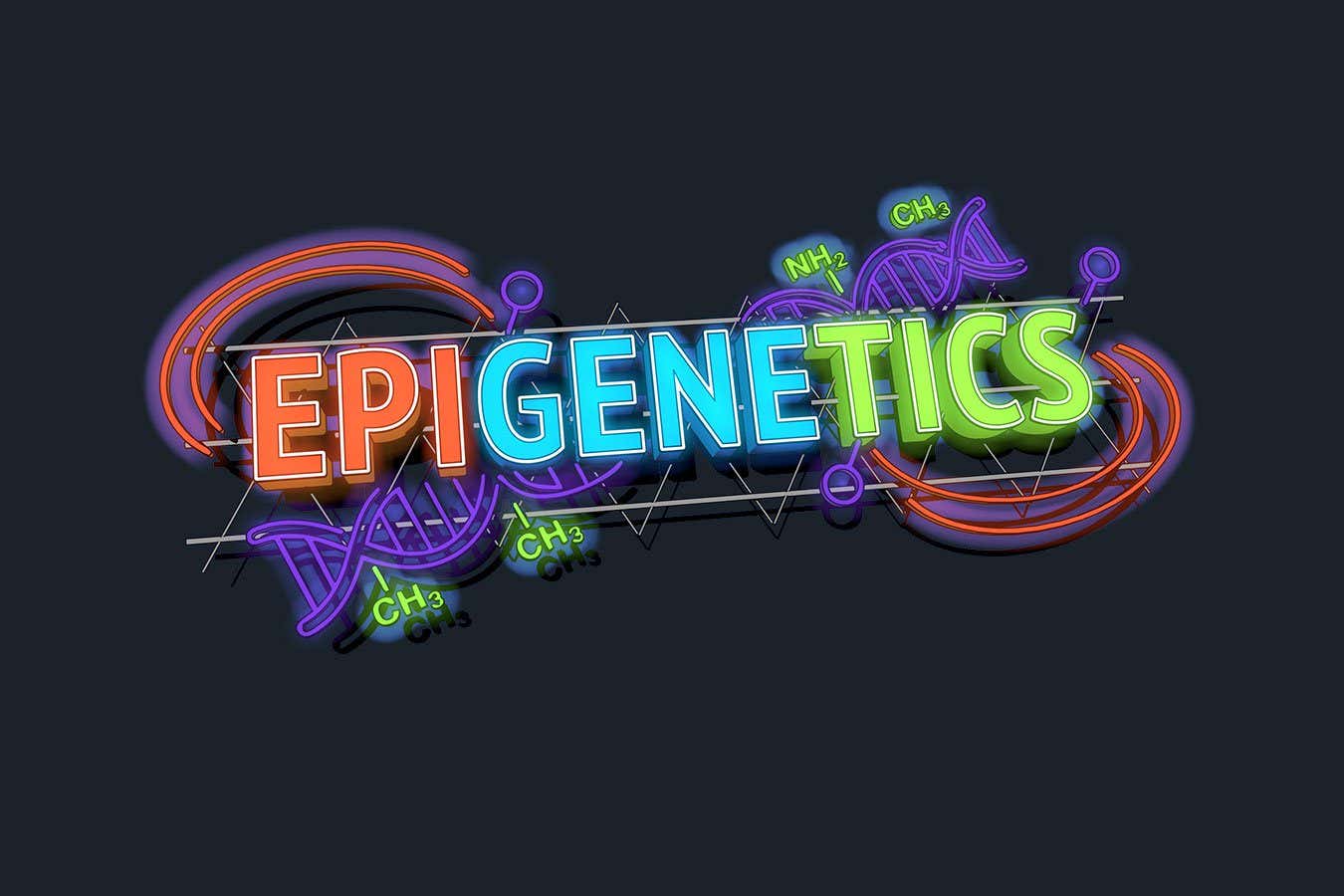
    Epigenetics is a catch-all term to describe how a wide variety of molecules interact with DNA or RNA to influence the activity of genes without changing the underlying genetic code. Two cells with identical genomes but different epigenetic markers can look and behave very differently.

    Epigenetics offers a way to squeeze more complexity out of the genome, through things like environmental factors. And some biologists are convinced it can do much more, potentially even influencing the evolutionary process.

    We know how this might happen. In a 2019 study in which yeast was exposed to a toxic chemical, the toxin killed the yeast by interacting with a protein produced by one of its genes. But yeast cells with the capacity to silence that gene, through an epigenetic pathway, survived. After several generations, some yeast cells in the thriving population developed genetic mutations that reinforced the silencing of the vulnerable gene. The yeast had evolved, its genetic code had changed – but those genetic changes began with epigenetic modifications.

    Epigenetics has become a cornerstone of a drive to extend and expand evolutionary theory. But despite evidence that epigenetics can influence the evolution of plants and microbes, there isn’t universal acceptance that this applies more broadly.

    “I am sceptical,” says Adrian Bird, who researches genetics at the University of Edinburgh, UK. In a paper last year, he argued there is no obvious way for environmental factors, such as drought and famine, to influence the mammalian genome. What’s more, epigenetic markers can be passed from parent to offspring, but many are removed early in mammalian embryo development.

    Others brush off these concerns. “Epigenetic inheritance is common in both plants and animals,” says Kevin Lala, an evolutionary biologist at the University of St Andrews, UK. In a book published last year, Lala and his colleagues offered a long list of studies that suggest epigenetics affects evolution across life’s tree.

    Why are opinions so strongly divided? Perhaps it’s a question of timing. “Epigenetic inheritance is a very fast-moving field,” says Lala. Although it has been on the biological radar for 80 years, it is only within the past 25 years that epigenetics has become a central focus of evolutionary research – and big ideas take time to process and assess.

    Topics:


    Source link

    Share. Facebook Twitter Pinterest LinkedIn Tumblr Email Telegram Copy Link

    Related Posts

    Science

    The rich but complicated legacy of genome pioneer Craig Venter

    April 30, 2026
    Science

    Doubts cast over ‘wild’ claim that magnetic control can turn on genes

    April 30, 2026
    Science

    Is an AI version of Mark Zuckerberg – or any boss – a good plan?

    April 30, 2026
    Science

    What happened after the fall of Rome? Ancient genomes offer new clues

    April 30, 2026
    Science

    A giant hailstorm just killed an emu at a Missouri zoo

    April 30, 2026
    Science

    Measles outbreaks can end, but the danger of the disease doesn’t

    April 30, 2026
    Editors Picks

    Corporate America fears wrath of Trump as it mulls tariffs response

    April 5, 2025

    Virginia offshore wind developer sues after Trump administration halts project

    December 26, 2025

    3 dead in latest US military strike on alleged drug boat in Caribbean

    February 14, 2026

    How Britney Spears’ DUI Arrest Echoes Justin Timberlake’s DWI

    March 6, 2026

    Man Charged For Calling German Chancellor “Pinocchio” Online

    February 27, 2026
    About Us
    About Us

    Welcome to Benjamin Franklin Institute, your premier destination for insightful, engaging, and diverse Political News and Opinions.

    The Benjamin Franklin Institute supports free speech, the U.S. Constitution and political candidates and organizations that promote and protect both of these important features of the American Experiment.

    We are passionate about delivering high-quality, accurate, and engaging content that resonates with our readers. Sign up for our text alerts and email newsletter to stay informed.

    Latest Posts

    China urges US to preserve ‘stability’ in ties, warns Taiwan is ‘risk point’

    April 30, 2026

    US Congress passes bill to resume funding for DHS and end partial shutdown | Police News

    April 30, 2026

    The ‘Most NBA Playoff 3’s all-time’ quiz

    April 30, 2026

    Subscribe for Updates

    Stay informed by signing up for our free news alerts.

    Paid for by the Benjamin Franklin Institute. Not authorized by any candidate or candidate’s committee.
    • Privacy Policy
    • About us
    • Contact us

    Type above and press Enter to search. Press Esc to cancel.