
Close Menu
    Trending
    • When is London Marathon 2026? Start time and how to watch race for FREE
    • Pentagon Requests $54 Billion For AI War
    • Clavicular Hit With New YouTube Crackdown
    • Beijing’s new supply chain rules deepen concerns for US firms in China
    • India denounces ‘hellhole’ remark shared by Trump | Donald Trump News
    • New photos of Mike Vrabel and Dianna Russini emerge
    • AI search demands a new audience playbook
    • How do earthquakes end? A seismic ‘stop sign’ could help predict earthquake risk
    Benjamin Franklin Institute
    Friday, April 24
    • Home
    • Politics
    • Business
    • Science
    • Technology
    • Arts & Entertainment
    • International
    Benjamin Franklin Institute
    Home»Science»El Niño was linked to famines in Europe in the early modern period
    Science

    El Niño was linked to famines in Europe in the early modern period

    Team_Benjamin Franklin InstituteBy Team_Benjamin Franklin InstituteJanuary 6, 2026No Comments3 Mins Read
    Share Facebook Twitter Pinterest Copy Link LinkedIn Tumblr Email VKontakte Telegram
    Share
    Facebook Twitter Pinterest Email Copy Link


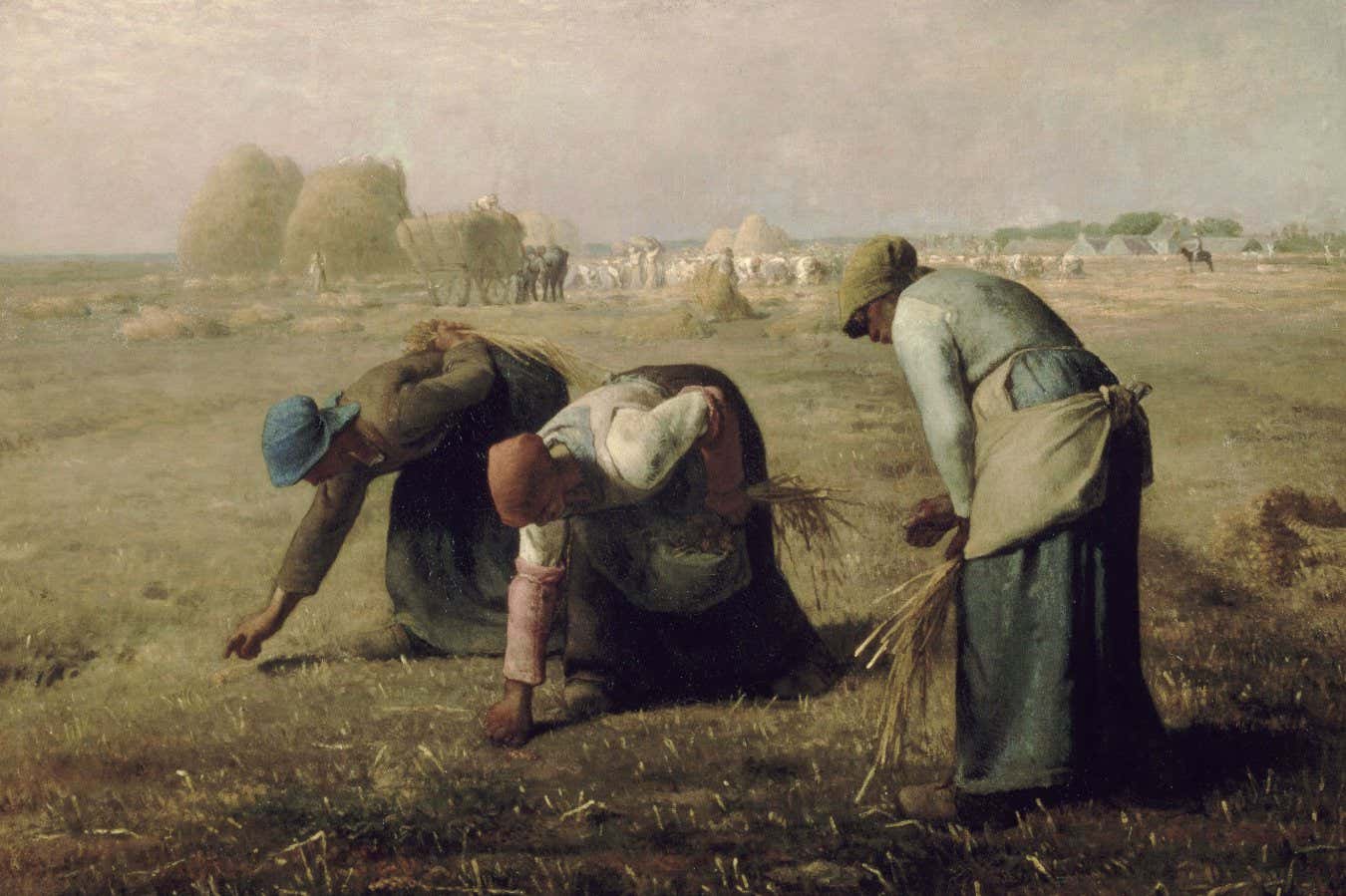
    El Niño events led to crop failures in some parts of Europe and raised grain prices elsewhere

    Public Domain

    The El Niño weather phenomenon, which influences the climate and economies in regions bordering the Pacific Ocean today, also caused famines in Europe between 1500 and 1800.

    During El Niño periods, ocean waters in the central and eastern Pacific become warmer, disrupting trade winds and leading to changes in rainfall patterns around the globe. When waters cool in the same area of the Pacific, it is called La Niña, and these swings between warm and cool ocean phases are known as the El Niño–Southern Oscillation (ENSO).

    The phenomenon has severe impacts on tropical and subtropical regions – especially in Australasia, where it leads to drier weather and often brings droughts and bushfires, and the Americas, where precipitation increases, sometimes catastrophically.

    But until now, little scientific attention has been paid to its effect on Europe, say Emile Esmaili at Columbia University in New York City and his colleagues.

    Esmaili’s team examined a dataset of 160 European famines during the early modern period in Europe, along with a record of El Niño and La Niña based on tree ring data.

    More than 40 per cent of famine onsets in central Europe during this period were associated with El Niño events, they found.

    El Niño tends to increase rainfall in this region, which may have led to excessive soil moisture and crop failures, the researchers say.

    While El Niño events didn’t directly lead to starvation elsewhere on the continent, they increased the annual likelihood that famines would persist by 24 per cent in all nine European regions the researchers studied.

    To explain why, Esmaili and his colleagues also looked at grain and fish prices, finding that El Niño events raised prices for a variety of foods across Europe for several years.

    David Ubilava at the University of Sydney in Australia says the ENSO can still cause food insecurity and malnutrition today among low-income households in regions such as South and South-East Asia, Oceania and parts of Africa.

    But while El Niño events still also affect Europe’s climate, they would be unlikely to have such a severe impact on food security, he says.

    “The same weather effect will have a very different outcome today. Crops are more resilient, production practices are much, much better, weather forecasting went from basically non-existent to pretty accurate and markets are integrated,” says Ubilava.

    Topics:


    Source link

    Share. Facebook Twitter Pinterest LinkedIn Tumblr Email Telegram Copy Link

    Related Posts

    Science

    How do earthquakes end? A seismic ‘stop sign’ could help predict earthquake risk

    April 24, 2026
    Science

    ‘Kraken’ fossils show enormous, intelligent octopuses were top predators in Cretaceous seas

    April 24, 2026
    Science

    Largest ever octopus was great white shark of invertebrate predators

    April 24, 2026
    Science

    Do you need to worry about Mythos, Anthropic’s computer-hacking AI?

    April 23, 2026
    Science

    How many dachshunds would it take to get to the moon?

    April 23, 2026
    Science

    The Age Code review: Can you slow ageing with your diet? A new book gives it a go

    April 23, 2026
    Editors Picks

    Opinion | America’s Very Weird Religious Future

    January 22, 2026

    Taylor Swift Has Reportedly Considered ‘Changing’ Wedding Plans

    April 5, 2026

    HC John Harbaugh defends Lamar Jackson amid column

    December 24, 2025

    The U.S. government has 3,000 AI systems in place. Will they fix anything?

    February 13, 2026

    CNA Explains: How the Iran war might reshape Asia’s energy playbook

    April 3, 2026
    About Us
    About Us

    Welcome to Benjamin Franklin Institute, your premier destination for insightful, engaging, and diverse Political News and Opinions.

    The Benjamin Franklin Institute supports free speech, the U.S. Constitution and political candidates and organizations that promote and protect both of these important features of the American Experiment.

    We are passionate about delivering high-quality, accurate, and engaging content that resonates with our readers. Sign up for our text alerts and email newsletter to stay informed.

    Latest Posts

    When is London Marathon 2026? Start time and how to watch race for FREE

    April 24, 2026

    Pentagon Requests $54 Billion For AI War

    April 24, 2026

    Clavicular Hit With New YouTube Crackdown

    April 24, 2026

    Subscribe for Updates

    Stay informed by signing up for our free news alerts.

    Paid for by the Benjamin Franklin Institute. Not authorized by any candidate or candidate’s committee.
    • Privacy Policy
    • About us
    • Contact us

    Type above and press Enter to search. Press Esc to cancel.