

RISING RISKS FOR GLOBAL FOOD SUPPLY
El-Hoshy, who is also vice chair of the International Fertilizer Association, warned of a looming supply crisis with implications for global food production.
“We’re looking at a fertiliser crisis. It’s (not) just a matter of logistics. There’s a lot of direct and indirect knock-on effects for the global supply chain,” he said.
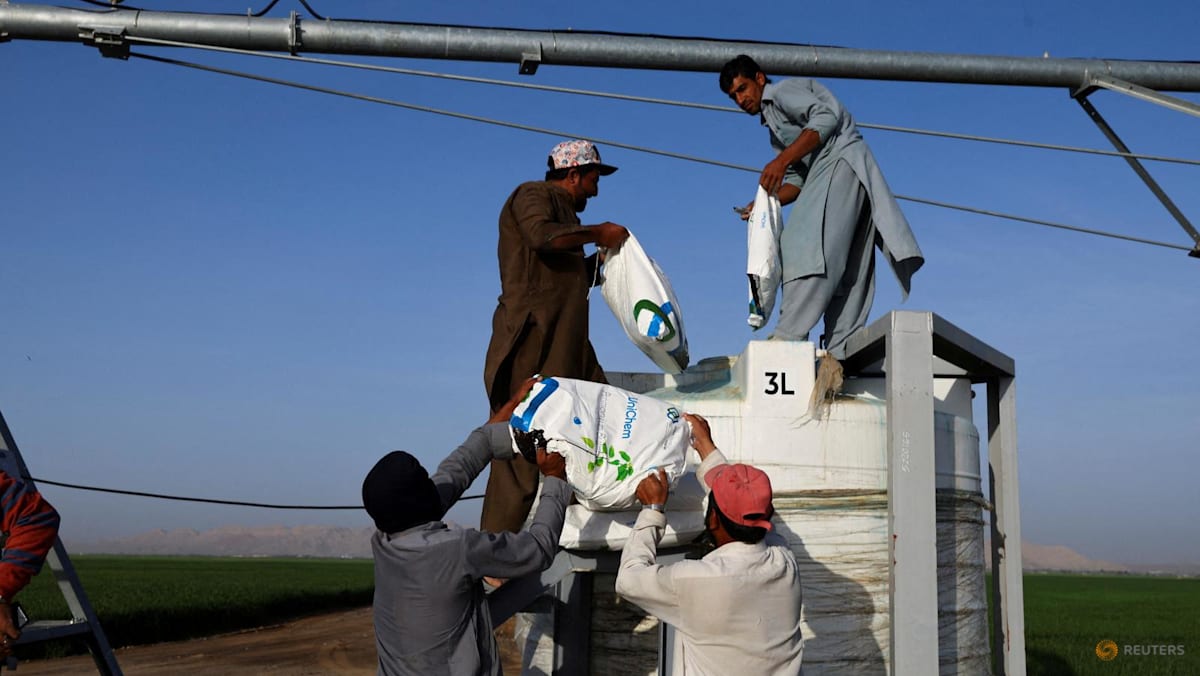
Beyond shipping disruptions, fertiliser production is highly energy intensive. Constrained oil and gas flows have also forced some fertiliser plants in the Gulf and beyond to slow production or shut down.
Signs of strain are already emerging in the agricultural sector. Some farmers are shifting away from fertiliser-intensive crops such as corn and wheat – a move that could further tighten supply and drive food prices higher.
CRITICAL MONTHS AHEAD
Analysts warn fertiliser remains difficult to substitute at scale, presenting an immediate risk of reduced harvests and adding to inflationary pressures.
The World Food Programme has warned that prolonged disruption could push up to 45 million more people into acute food insecurity this year.
“About half of the world’s 8 billion people rely on nitrogen fertilisers like urea … to meet calorie and food demand. So, it is absolutely critical to ensure that the fertiliser gets (to farmers) and the crop yields are there,” El-Hoshy said.
With the disruption now stretching beyond two months, he said some decline in crop yields is increasingly likely, particularly if adverse weather conditions such as El Nino exacerbate the situation.
If the Strait of Hormuz remains effectively closed into the next quarter, the consequences could become more severe as fertiliser fails to reach farms ahead of upcoming key planting windows, El-Hoshy warned.
“I can only hope that weather is supportive so we can get some good crop yields, and that we find green corridors to be able to move fertiliser more efficiently and more cost effectively into the global grower space,” he added.