

SECURING PEACE
The Board of Peace was initially given a limited mandate by the UN Security Council last November, endorsed strictly as a mechanism to support the peace process in Gaza.
But recent developments suggest the project is rapidly expanding beyond that scope. Its draft charter reportedly makes no mention of Gaza at all.
Instead, the body is described as an organisation designed to “secure peace” in regions threatened by conflict – a remit strikingly similar to that of the UN Security Council.
Maya Ungar, a UN analyst at the International Crisis Group, said: “If member states, if countries do decide to sign up – and not just to sign up, but to really institutionalise and move along with this Board of Peace process – it is going to become a parallel or competing structure to the UN Security Council, which is an institution that has already been facing immense legitimacy as well as financial concerns over the past few years.”
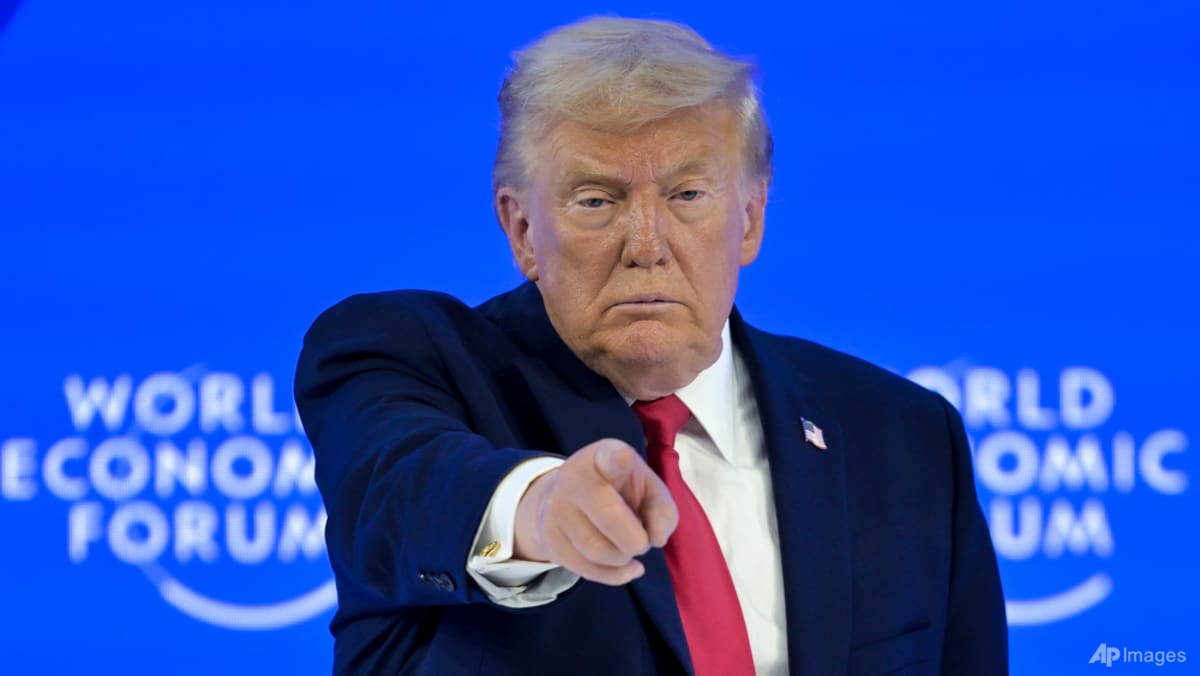
On Wednesday (Jan 21), Trump told reporters that the Board of Peace would “get a lot of work done that the UN should have done”.
Asked whether the UN viewed the board as a threat, Farhan Aziz Haq, deputy spokesperson for the UN Secretary-General, struck a cautious note.
“It’s too early to tell what the Board of Peace will look like,” he said.
“One thing we are aware of is that the Security Council has endorsed the Board of Peace strictly for the work in Gaza.”
Despite those assurances, its member states are increasingly focused on how the new body would be governed.
According to draft excerpts of the Board of Peace charter, Trump would hold sweeping powers as chairperson, including the authority to veto decisions and remove members unilaterally.
“What we can tell you is that it has been set up for the chairperson, Donald Trump, to have a sense of universal power,” said Ungar.
“So I think that’s an important difference. It’s not the United States – it’s Donald Trump himself who gets to pick his successor, who essentially gets to veto any of the decisions that the board would make. And I think this is one of the reasons why you have concerns from member states.”