

US AND IRAN BOTH REITERATE THEIR POSITIONS
Pakistan’s mediation push aims to narrow differences between Iran and the US after weeks of war that have left the vital waterway of the Strait of Hormuz closed to most shipping despite a nervous ceasefire, upending global energy markets.
The talks reportedly centred on a 14-point document proposed by Iran, which it considers the main framework for the discussions, and messages exchanged between the two sides.
Baghaei said the issue of the US blockade on Iran’s shipping was important, but that its priority was ending the threat of new US attacks and the ongoing conflict in Lebanon, where Iran-allied Hezbollah militants are fighting Israeli troops who have moved into the south.
US Secretary of State Marco Rubio repeated Trump’s demands: “Iran can never have a nuclear weapon. The straits need to be open without tolls. They need to turn over their enriched uranium.”
Qalibaf said Iran would pursue its “legitimate rights”, both on the battlefield and through diplomacy, but added that it could not trust “a party that has no honesty at all”, an allegation Iran has made several times before.
He said Iran’s armed forces had rebuilt their capabilities during the ceasefire and that, if the United States “foolishly restarts the war”, the consequences would be “more forceful and bitter” than at the start of the conflict.
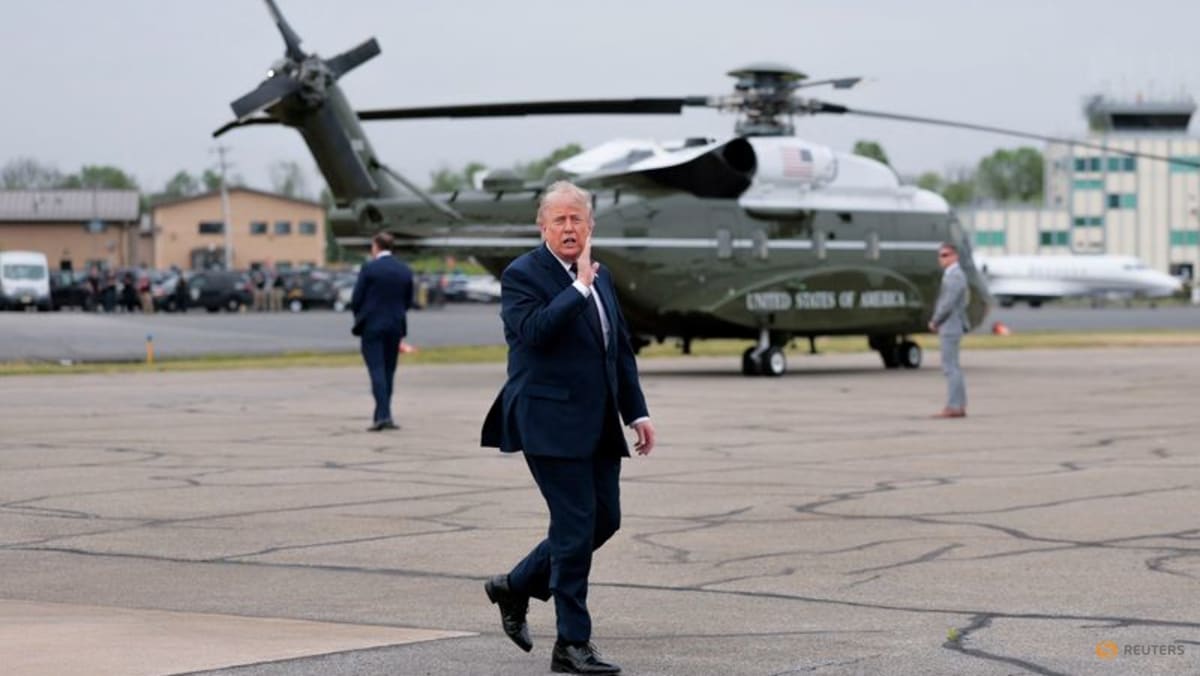
US President Donald Trump, whose ratings have been hit by the war’s impact on energy prices for US consumers, said on Friday he would not attend his son’s wedding this weekend, citing Iran among the reasons he planned to stay in Washington.
Despite weeks of conflict, Iran has preserved its stockpile of near-weapons-grade enriched uranium as well as missile, drone and proxy capabilities that the United States and Israel say they aim to curb.