

On a foggy winter day at Austin’s airport three years ago, a FedEx cargo plane nearly crashed into a Southwest Airlines jet full of passengers after both were cleared to use the same runway. At the last moment, as the FedEx plane was landing, the pilot saw the outline of the other plane’s wing and pulled up, narrowly avoiding the disaster. An air traffic controller couldn’t see that the Southwest plane was sitting on the runway because of the heavy fog.
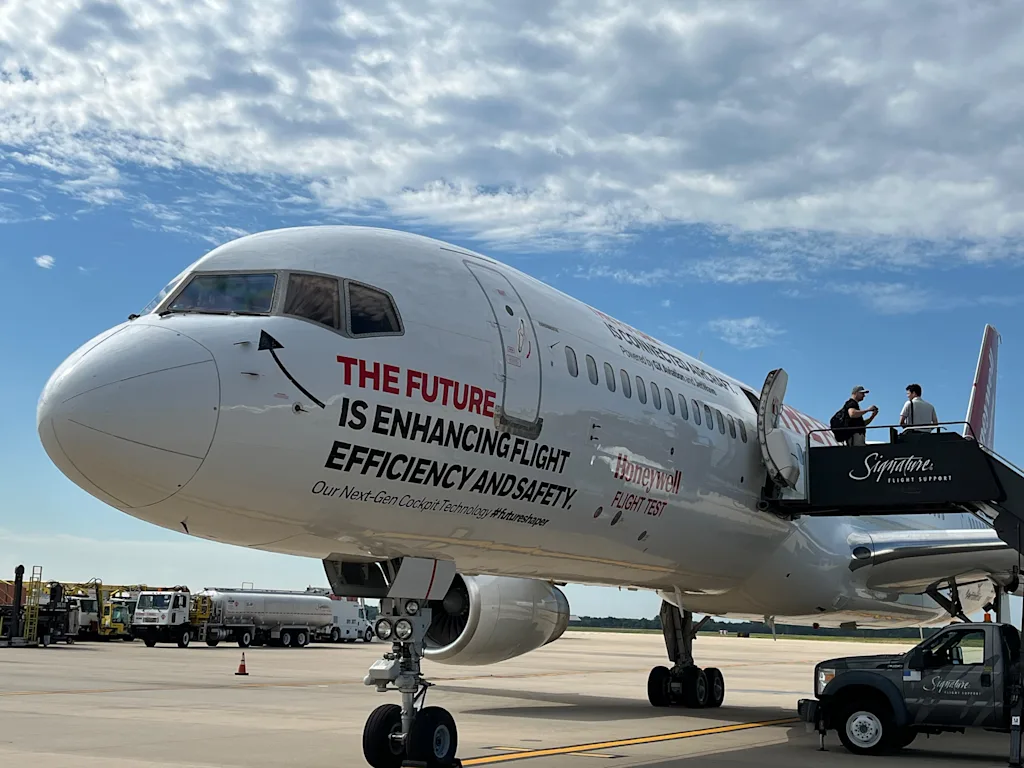
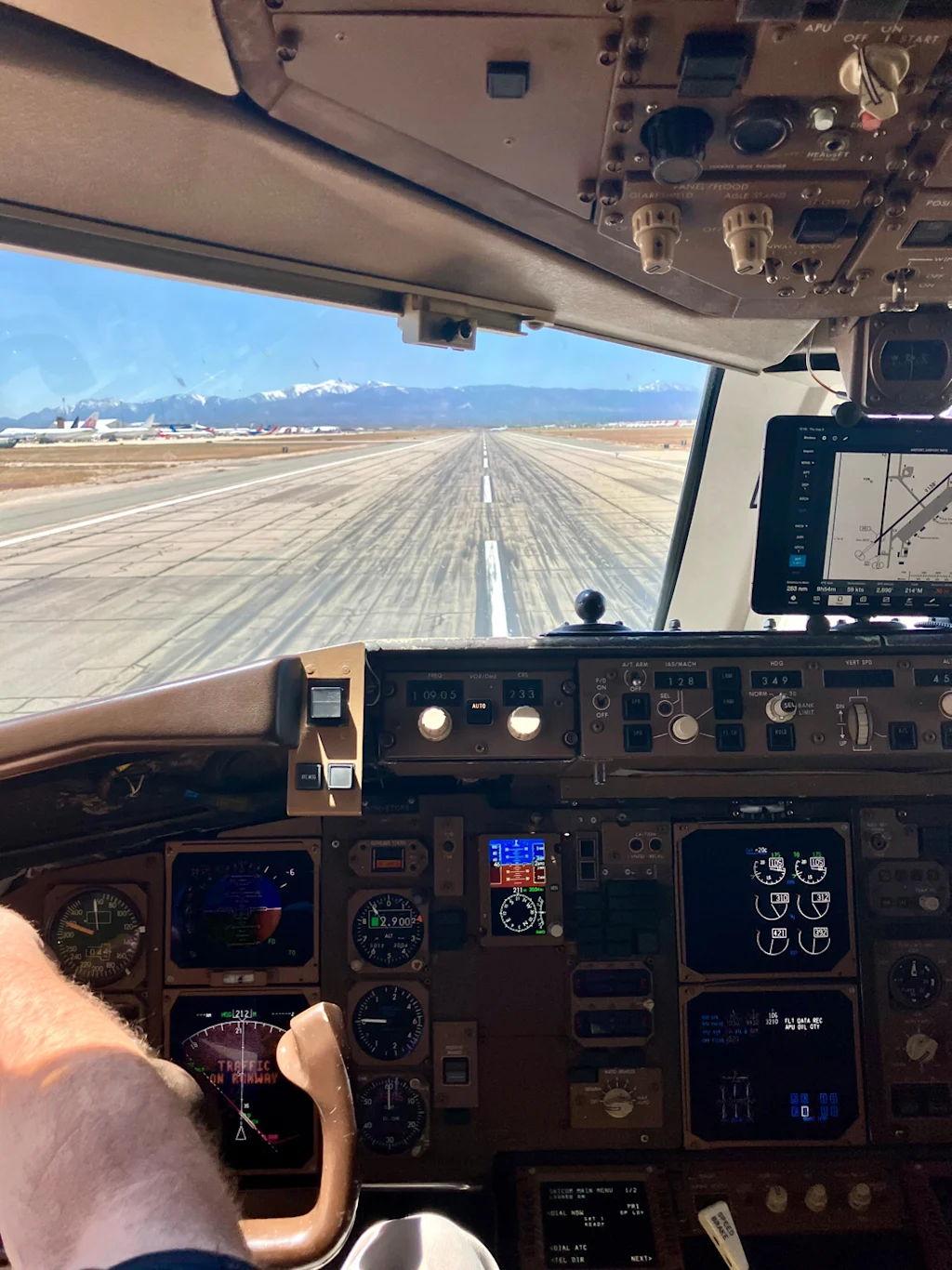
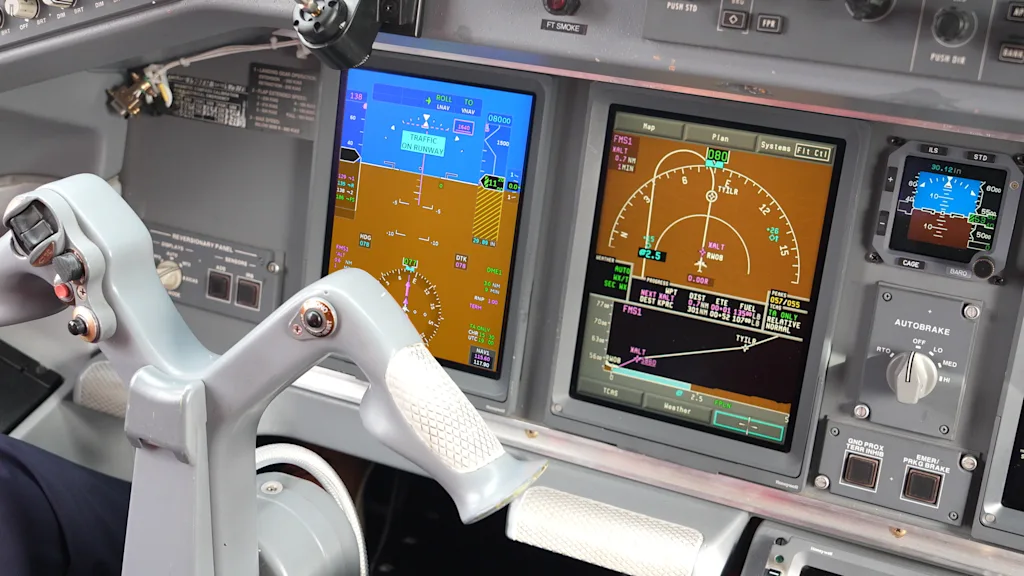
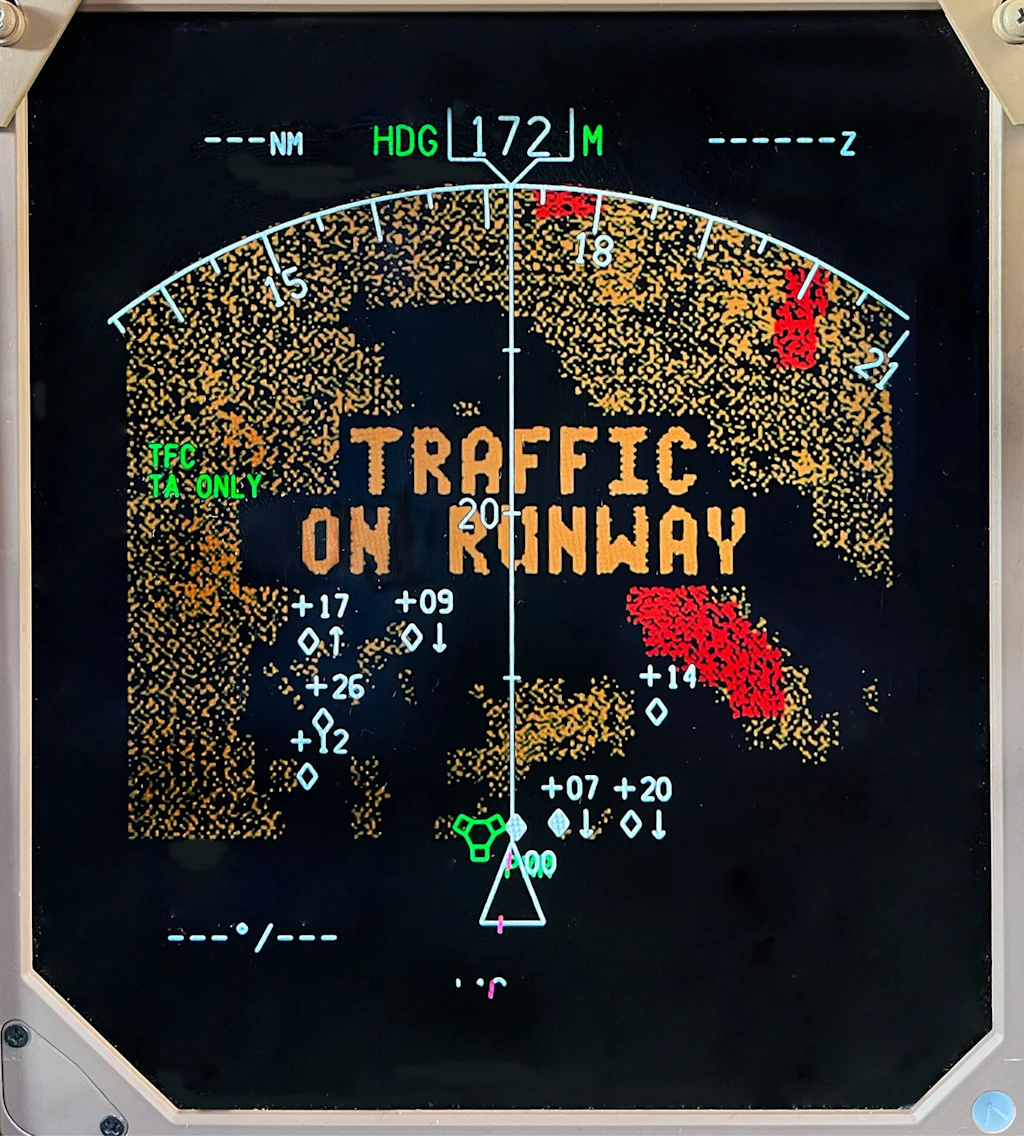
Last fall, a test flight in Kansas City recreated the incident on a Boeing 757 outfitted with new software from Honeywell that warns pilots directly when there’s a collision risk on a runway. The technology, called Surf-A (short for “surface alerts”) tracks the position of planes and ground vehicles using data from onboard transponders. In an emergency, pilots get a clear warning like “traffic on runway” or “traffic behind.” The company already provides other products that warn pilots if they’re approaching a runway incorrectly.
In Austin, the system could have given the FedEx pilots an extra 28 seconds to react.
“It’s really important to provide pilots alerts, because seconds matter,” says Thea Feyereisen, a distinguished technical fellow at Honeywell Aerospace. “If the alert is just in the tower, it takes a while for the controller to hear that alert. And how does that alert make it to the aircraft—you have to make sure no one else is talking on the radio at the same time. What we really want for runway safety is multiple layers of technology defense, both in the tower as well as in the cockpit for pilots.”
The Austin airport had another challenge: air traffic controllers didn’t have access to existing technology that tracks aircraft and vehicles and also gives warnings. (Now that tech is in place.) The National Transportation Safety Board has recommended that the FAA require this kind of “surface detection” equipment at all airports, and has also called for direct cockpit alerts to pilots.
In the accident at LaGuardia airport on March 22, where a fire truck pulled in front of a plane landing on an active runway, killing both pilots and sending dozens of passengers to the hospital, some advanced technology was indeed in use. The airport operates a system known as ASDE-X, which uses radar and radio sensors to track movement on the ground. But it failed to activate “due to the close proximity of vehicles merging and unmerging near the runway,” according to NTSB chair Jennifer Homendy. The fire truck also lacked a transponder, which would have helped pinpoint its exact location.
The accident is still under investigation, but it’s likely that multiple things went wrong. Preliminary information suggests that red lights had automatically turned on at the runway to show that it was active—so the fire truck should have known to stop even after the air traffic controller had given them permission to proceed. When the crash was imminent and the air traffic controller started giving the truck frantic commands to stop, it’s not clear yet whether the drivers heard them.
It’s also not clear whether tech on the plane would have helped in this particular case; preliminary data shows that the truck was cleared to cross the runway only 12 seconds before the plane touched down. The truck’s wheels were already entering the runway, and the plane had already landed, when the controller started urgently calling for the truck to stop. Even with tech on board, it’s possible that the pilot would have gotten the warning too late to respond.
While it’s too early to say what might have helped, it may be “like a car getting hit by a train if nothing is on the tracks ahead of time,” says Luigi Raphael Dy, an engineering professor at Saint Louis University who studies airport safety technology. “There’s nothing you can do, because you don’t know if the car is going to make a go for it.”
But runway “incursions” are scarily common at airports, and it’s clear that adding more layers of technology could help in many cases. Last year, there were 1,636 runway incursions at U.S. airports. Some smaller airports still rely on air traffic controllers looking at runways with binoculars, with no automated alerts at all. Direct warnings for pilots would clearly add more protection.
Cameras could also potentially help, similar to the systems used on self-driving cars. Still, they aren’t as reliable as transponders. The data from the transponders “is weather independent, is time-of-day independent, bugs on the windscreen independent,” says Feyereisen. “Cameras that have this range and resolution would be expensive and technically difficult.” Transponders are also already standard on planes, she says, and adding any additional equipment to planes would require extensive certification.
Honeywell ran another test flight last week, and the technology is expected to be approved for use by the FAA this year. It’s not clear yet, however, how many airlines will choose to use it. The company declined to comment on the exact cost, but says that it’s in the tens of thousands per plane—or over the lifetime of a $150 million aircraft, less than half a penny per passenger per flight.