
Close Menu
    Trending
    • Mamdani, Who Said Israel ‘Not a Place,’ Gets Roasted for Wishing Jewish NYCers ‘Peaceful’ Holiday That’s Definitely About Israel Being a Place
    • ‘The Ultimatum’ Star Blake Robertson Shares Relationship Update
    • US missiles hit Iran as path towards de-escalation uncertain
    • UN rights chief Turk wins second term despite US and Israeli opposition | United Nations News
    • LeBron’s decision might force Jalen Brunson to do the unthinkable
    • 8 Unique Side Hustle Ideas for Summer 2026 and Beyond
    • NHTSA considers new car door safety rules after fatal Tesla crashes
    • PlayStation Network outage resolved after thousands of gamers unable to play
    Benjamin Franklin Institute
    Saturday, July 25
    • Home
    • Politics
    • Business
    • Science
    • Technology
    • Arts & Entertainment
    • International
    Benjamin Franklin Institute
    Home»World Economy»The World’s Most Expensive Toll Booth?
    World Economy

    The World’s Most Expensive Toll Booth?

    Team_Benjamin Franklin InstituteBy Team_Benjamin Franklin InstituteMarch 26, 2026No Comments3 Mins Read
    Share Facebook Twitter Pinterest Copy Link LinkedIn Tumblr Email VKontakte Telegram
    Share
    Facebook Twitter Pinterest Email Copy Link


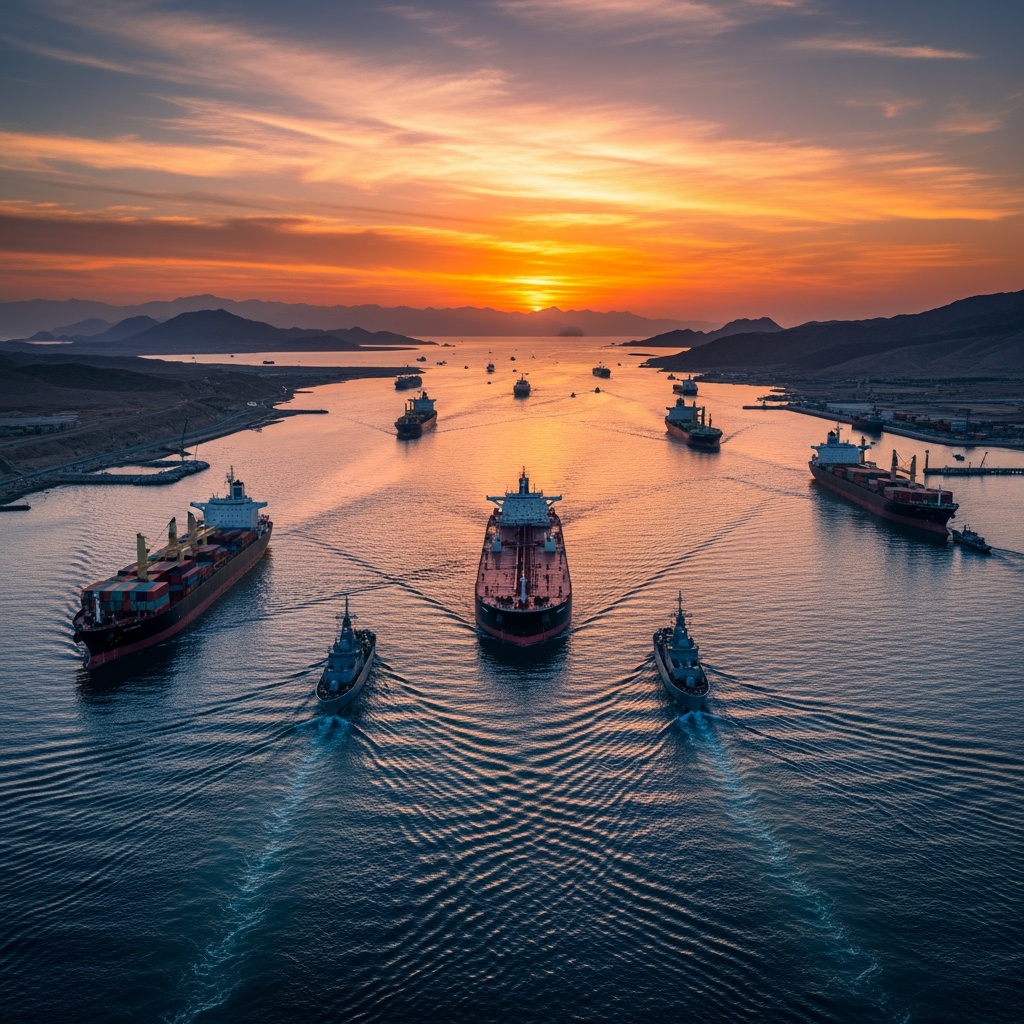
    What is taking place in the Strait of Hormuz right now is not simply a disruption to shipping, but a transformation of a natural chokepoint into a political weapon, and this is exactly what history shows always happens when a strategic passage falls under the control of a single power during a period of war.

    Iran has now effectively asserted control over the Strait, restricting access, threatening vessels, and even considering or reportedly imposing transit fees on tankers, with some reports indicating charges as high as $2 million per vessel for passage, which turns one of the most critical points of global trade into a toll route under geopolitical control rather than a neutral international waterway.

    Roughly 20% the world’s oil supply passes through this narrow channel, along with a substantial portion of global liquefied natural gas, meaning any disruption immediately impacts energy markets, inflation, and ultimately the global economy.

    What has unfolded is not just tension but a near shutdown, with ship traffic collapsing, vessels being attacked, insurance costs surging, and many operators refusing to transit altogether due to the risk of drones, mines, and missile strikes, while others only pass under specific conditions approved by Iran, often tied to political alignment.

    Iran has made it clear that access is no longer unconditional, stating that only “non-hostile” vessels may pass. This introduces a new dimension in which global trade is filtered through geopolitical loyalty.

    Now add the idea of a transit tax and you begin to see the real picture, because this is no longer just about restricting access but monetizing control, turning geography into revenue while simultaneously exerting leverage over nations dependent on energy flows. This is precisely how strategic chokepoints have been used throughout history from the Suez Canal to the Bosporus.

    Events of this nature drives volatility, because when a critical supply route becomes unstable, capital begins to shift rapidly into safe havens.  Inflationary pressures build, hence why you are seeing immediate reactions across global markets as oil surges and bond yields follow.

    The key point is that this is not temporary in the way the press tends to frame it, because once a chokepoint is weaponized, it never fully returns to neutrality, since the precedent has been set that access can be restricted, priced, or controlled based on political conditions, and that permanently alters the risk calculation for global trade.

    This also exposes the fragility of the entire system. A single narrow passage can disrupt nearly a fifth of the global energy supply, showing how concentrated and vulnerable the system has become.

    Controlling trade routes has always been one of the most powerful tools in geopolitical conflict, and once that tool is actively deployed, it indicates that the situation has moved beyond rhetoric into structural change.


    Source link

    Share. Facebook Twitter Pinterest LinkedIn Tumblr Email Telegram Copy Link

    Related Posts

    World Economy

    Market Talk – July 24, 2026

    July 24, 2026
    World Economy

    The Truth About The S&L Crisis Caused By Government & Endless Taxation

    July 24, 2026
    World Economy

    The Rise Of The Ellison Empire

    July 24, 2026
    World Economy

    Germany’s Productive Class Is Looking For The Exit

    July 24, 2026
    World Economy

    Market Talk – July 23, 2026

    July 23, 2026
    World Economy

    Why Globalist Are Against AFD In Germany

    July 23, 2026
    Editors Picks

    A New York Times critic used AI to write a review, but good criticism can’t be outsourced

    April 4, 2026

    Valencia coach Fernando Martin dies in Indonesia boat accident

    December 28, 2025

    AI advertising slop is on the rise. The cure? The STFU brand strategy

    December 13, 2025

    Are you micromanaging yourself out of a job?

    March 31, 2026

    Lamar Jackson fires back amid questions about his dedication

    January 3, 2026
    About Us
    About Us

    Welcome to Benjamin Franklin Institute, your premier destination for insightful, engaging, and diverse Political News and Opinions.

    The Benjamin Franklin Institute supports free speech, the U.S. Constitution and political candidates and organizations that promote and protect both of these important features of the American Experiment.

    We are passionate about delivering high-quality, accurate, and engaging content that resonates with our readers. Sign up for our text alerts and email newsletter to stay informed.

    Latest Posts

    Mamdani, Who Said Israel ‘Not a Place,’ Gets Roasted for Wishing Jewish NYCers ‘Peaceful’ Holiday That’s Definitely About Israel Being a Place

    July 25, 2026

    ‘The Ultimatum’ Star Blake Robertson Shares Relationship Update

    July 25, 2026

    US missiles hit Iran as path towards de-escalation uncertain

    July 25, 2026

    Subscribe for Updates

    Stay informed by signing up for our free news alerts.

    Paid for by the Benjamin Franklin Institute. Not authorized by any candidate or candidate’s committee.
    • Privacy Policy
    • About us
    • Contact us

    Type above and press Enter to search. Press Esc to cancel.