

Every September as we plan our January tech forecast issue, IEEE Spectrum’s editors survey their beats and seek out promising projects that could solve seemingly intractable problems or transform entire industries.
Often these projects fly under the radar of the popular technology press, which these days seems more interested in the personalities driving Big Tech companies than in the technology itself. We go our own way here, getting out into the field to bring you news of the hidden gems that genuinely—as the IEEE motto goes—advance technology for the benefit of humanity.
A look back at the last 20 years of January issues reveals that while we’ve certainly covered our share of huge tech projects, like the James Webb Space Telescope, many of the stories touch on subjects most people would have otherwise missed.
Last January, Senior Associate Editor Emily Waltz reported on startups that are piloting ocean-based carbon capture. This issue, she’s back with another CO2-centric story, this time focused on grid-scale storage, which is poised to blow up—literally. Waltz traveled to Sardinia to check out Milan-based Energy Dome’s “bubble battery,” which can store up to 200 megawatt-hours by compressing and decompressing pure carbon dioxide inside an inflatable dome.
This kind of modular, easy-to-deploy energy storage could be especially useful for AI data centers, says Senior Editor Samuel K. Moore, who curated this issue and wrote about gravity energy storage back in January 2021.
Big bubbles could help with grid-scale storage; tiny bubbles can liquefy cancer tumors.
“When we think about energy storage, our minds usually go to grid-scale batteries,” Moore says. “Yet these bubbles, which are in many ways more capable than batteries, will be sprouting up all over the place, often in association with computing infrastructure.”
For his story in this issue, Moore dove into the competition between two startups that are developing radio-based cables to replace conventional copper cables and fiber optics in data centers. These radio systems can connect processors 10 to 20 meters apart using a third of the power of optical-fiber cables and at a third of the cost. The next step is to integrate the radio connections directly with GPUs, to ease cooling burdens and help data centers and the AI models running on them continue to scale up.
Big bubbles could help with grid-scale storage; tiny bubbles can liquify cancer tumors, as Greg Uyeno found when reporting on HistoSonics’ ultrasound treatment. Feared for its aggressive nature and extremely low survival rate, pancreatic cancer kills almost half a million people per year worldwide. HistoSonics uses noninvasive, focused ultrasound to create cavitation bubbles that destroy tumors without dangerously heating surrounding tissue. This year, the company is concluding kidney trials as well as launching pancreatic cancer trials.
Over the last two decades, Spectrum has regularly covered the rise of drones. In 2018, for instance, we reported that the startup Zipline would deploy autonomous drones to deliver blood and medical supplies in rural Rwanda. Today, Zipline has a market cap of about US $4 billion and operates in several African countries, Japan, and the United States, having completed almost 2 million drone deliveries. In this issue, journalist Robb Mandelbaum takes us inside the Wildfire XPrize competition, aimed at providing another life-saving service: dousing wildfires before they grow out of control. Zipline succeeded because it could make deliveries to remote locations much faster than land vehicles. This year’s XPrize teams plan to detect and suppress fires faster than conventional firefighting methods.
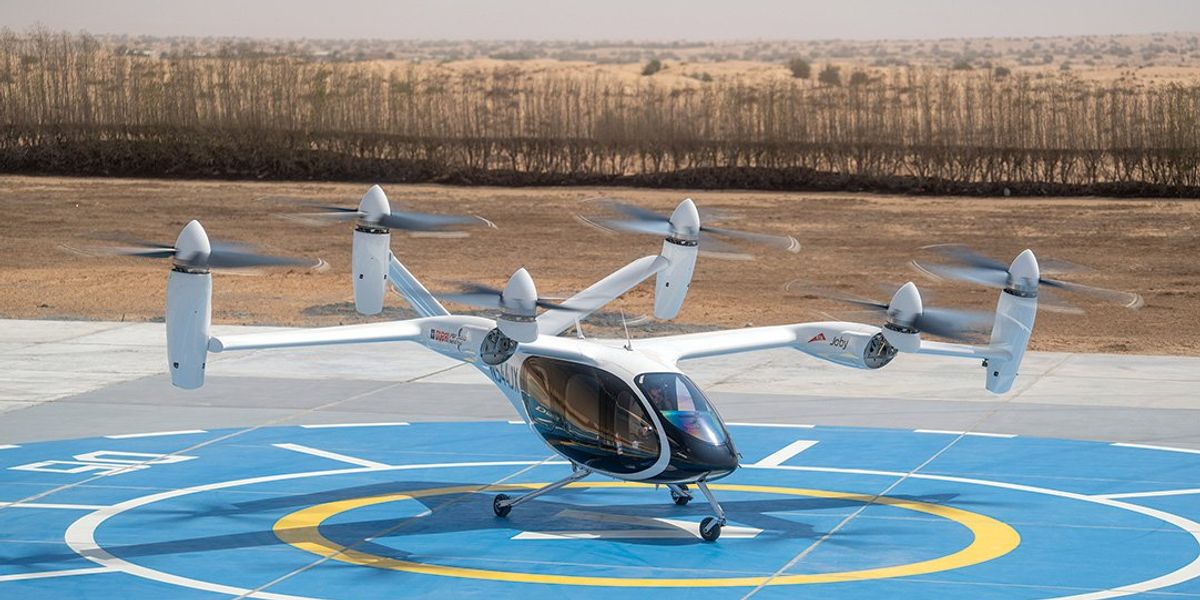
In addition to these emerging technologies, we’ve packed this issue with a dozen others, including Porsche’s wireless home charger for EVs, the world’s first electric air taxi service, neutral-atom quantum computers, interoperable mesh networks, and robotic baseball umpires. Let’s see which of this year’s picks make it to the big leagues.
From Your Site Articles
Related Articles Around the Web