

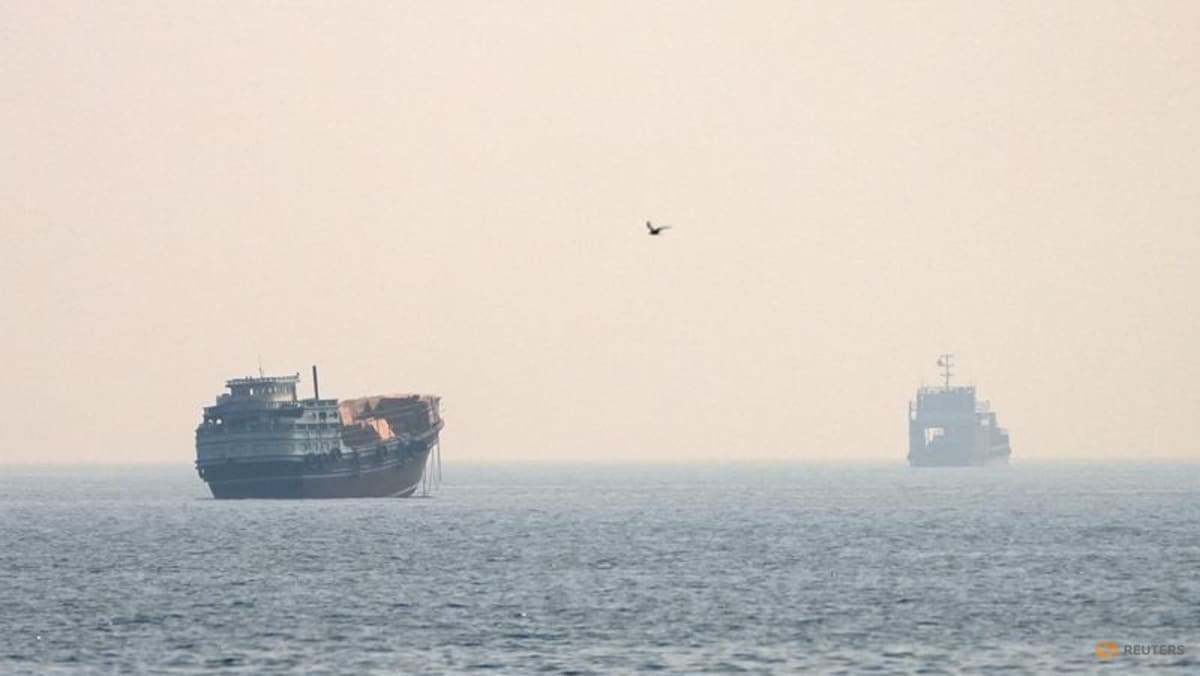
DUBAI: Daily tanker traffic in the Strait of Hormuz appeared to have slowed on Friday (Jul 10), after the US and Iran exchanged hostilities this week and renewed their arguments over who was in control of passage through the critical waterway.
The attacks renewed concerns about the recovery of global oil supplies and shipping, and highlighted the fragility of an interim truce while the US and Iran hammer out a lasting agreement.
Oil prices eased on Friday but remained on track for weekly gains of 4-5 per cent after the flare-up.
GLOBAL OIL SUPPLY UP BUT STILL BELOW PRE-WAR LEVELS
The International Energy Agency said global oil supply rose by 4.1 million bpd in June as shipping through the strait resumed, but remained 9.4 million bpd below pre-war levels.
It warned of tight diesel and gasoline supplies, and said refineries were slower to react to the reopening of the strait than crude prices.
The Strait of Hormuz handled about a fifth of global oil supplies before the war. Tehran has since largely taken control of the waterway, forcing a stalemate in its confrontation with the world’s most powerful military.
Under the interim deal, the US ended its naval blockade of Iranian ports, and Iran agreed to ensure safe passage of commercial vessels.
However, this week Washington accused Iranian forces of attacking three tankers in the area and struck military sites on Iran’s southern coast and eastern provinces in response. While Iran has not claimed responsibility for those attacks, analysts say Tehran uses such actions to gain leverage in negotiations.