
Close Menu
    Trending
    • Amsterdam Bans Meat Ads As The War On Food Expands
    • Katie Holmes And Joshua Jackson Spark ‘Soul-Level’ Love Chatter
    • Singapore Airlines, Southwest Airlines partner to expand access to nearly 120 US destinations
    • Trump warns Netanyahu: ‘You’ll be on your own’ if attacks on Iran continue | US-Israel war on Iran News
    • Cristiano Ronaldo, ‘The Bosnian Diamond’ headline the World Cup 40-and-over club
    • How housing market inventory is shifting across every state
    • What is a ‘normal’ memory slowdown, and when should I worry?
    • Ariana Grande And Ethan Slater Are ‘Still Friends’ Following Split
    Benjamin Franklin Institute
    Tuesday, June 9
    • Home
    • Politics
    • Business
    • Science
    • Technology
    • Arts & Entertainment
    • International
    Benjamin Franklin Institute
    Home»World Economy»New Homeland Security Secretary Cracks Down On Sanctuary Cities
    World Economy

    New Homeland Security Secretary Cracks Down On Sanctuary Cities

    Team_Benjamin Franklin InstituteBy Team_Benjamin Franklin InstituteApril 13, 2026No Comments3 Mins Read
    Share Facebook Twitter Pinterest Copy Link LinkedIn Tumblr Email VKontakte Telegram
    Share
    Facebook Twitter Pinterest Email Copy Link


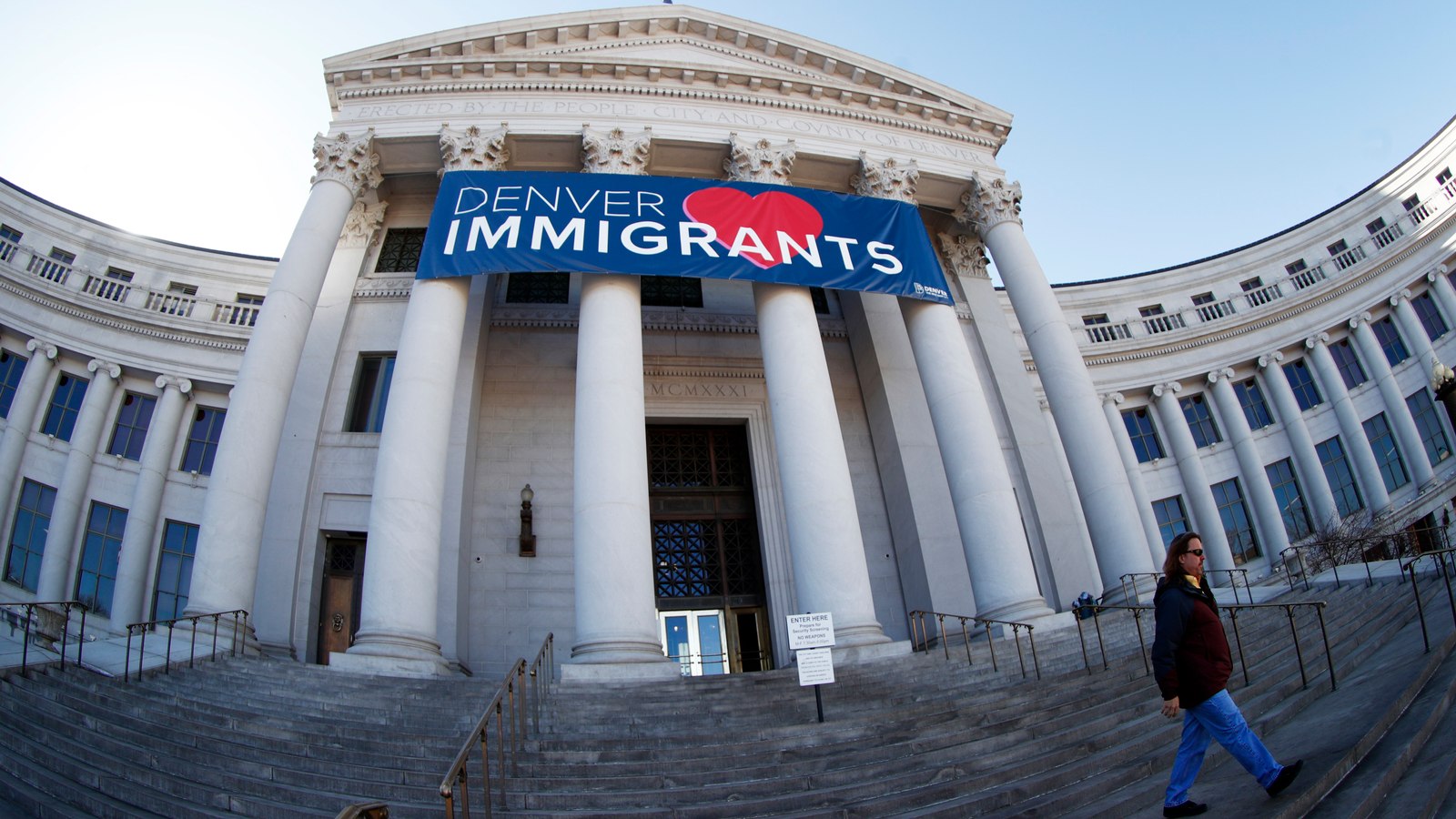
    What we are now witnessing with sanctuary cities is not simply a political disagreement, it is the breakdown of the rule of law at the structural level. The federal government is now openly questioning whether it should continue providing core services, including customs processing at international airports, to cities that refuse to comply with federal immigration law.

    Homeland Security Secretary Markwayne Mullin has made that position clear in direct terms, stating, “If they are a sanctuary city, should they really be processing customs into their city?” and further pressing the issue by pointing out the contradiction, “If they’re a sanctuary city and they’re receiving international flights… but once they walk out of the airport, they’re not going to enforce immigration policy?”

    Sanctuary cities are, by definition, jurisdictions that limit cooperation with federal enforcement, effectively creating a dual system of governance within the same country. Once you reach that point, you are no longer dealing with a unified legal framework, you are dealing with fragmentation.

    Mullin has also made it clear that the federal government is being forced into difficult decisions, stating that “we’re going to have to start prioritizing things at some point” as funding battles intensify. That statement is critical because it signals a shift from negotiation to enforcement.

    This is precisely the type of breakdown that unfolds during periods of broader systemic stress. The sovereign debt crisis, rising geopolitical tensions, and internal political divisions are all converging at the same time, and governments respond to that pressure by attempting to reassert control.

    Sanctuary cities represent a direct challenge to that control, and the response is now escalating accordingly. The implications extend far beyond immigration because once the federal government begins selectively withdrawing services, whether it is funding, enforcement, or infrastructure support, it creates a chain reaction. Major cities like New York, Los Angeles, Chicago, and San Francisco are not isolated municipalities, they are economic hubs that handle millions of international travelers and billions in trade. Any disruption to customs operations alone would ripple through tourism, supply chains, and business activity, amplifying economic pressure at a time when the system is already under strain.

    This is where the situation becomes dangerous because it introduces a new layer of uncertainty into the economy. Businesses and capital do not respond well to fragmented legal systems or political conflict between levels of government. Capital flows toward stability, and when stability is questioned, it begins to move. That is the core principle that has driven every major financial shift throughout history.

    What Mullin has effectively done is put consequences on the table. For years, sanctuary cities have operated with limited federal pushback, but that appears to be changing. Once consequences are introduced, whether through funding cuts, service withdrawal, or legal action, the dynamic shifts entirely. Cities are forced to choose between maintaining their policies or preserving access to federal resources, and that is where the real conflict begins.

    This is no longer about immigration alone. It is about who governs and enforces, and whether a nation can function with competing systems of authority.


    Source link

    Share. Facebook Twitter Pinterest LinkedIn Tumblr Email Telegram Copy Link

    Related Posts

    World Economy

    Amsterdam Bans Meat Ads As The War On Food Expands

    June 9, 2026
    World Economy

    Market Talk – June 8, 2026

    June 8, 2026
    World Economy

    The Drumbeat Around Taiwan Grows Louder

    June 8, 2026
    World Economy

    Russia Needs 800,000 Workers | Armstrong Economics

    June 8, 2026
    World Economy

    The Jobs Report Everyone Will Misread

    June 8, 2026
    World Economy

    The Food Supply Has Been Compromised

    June 7, 2026
    Editors Picks

    How working out like an astronaut can reduce back pain and slow ageing

    March 26, 2026

    Men may have to exercise more than women to get same heart benefits

    October 27, 2025

    Market Talk – June 4, 2026

    June 4, 2026

    Packers have one obvious replacement for Josh Jacobs

    May 28, 2026

    The ‘Super Bowl winning QBs’ quiz

    February 11, 2026
    About Us
    About Us

    Welcome to Benjamin Franklin Institute, your premier destination for insightful, engaging, and diverse Political News and Opinions.

    The Benjamin Franklin Institute supports free speech, the U.S. Constitution and political candidates and organizations that promote and protect both of these important features of the American Experiment.

    We are passionate about delivering high-quality, accurate, and engaging content that resonates with our readers. Sign up for our text alerts and email newsletter to stay informed.

    Latest Posts

    Amsterdam Bans Meat Ads As The War On Food Expands

    June 9, 2026

    Katie Holmes And Joshua Jackson Spark ‘Soul-Level’ Love Chatter

    June 9, 2026

    Singapore Airlines, Southwest Airlines partner to expand access to nearly 120 US destinations

    June 9, 2026

    Subscribe for Updates

    Stay informed by signing up for our free news alerts.

    Paid for by the Benjamin Franklin Institute. Not authorized by any candidate or candidate’s committee.
    • Privacy Policy
    • About us
    • Contact us

    Type above and press Enter to search. Press Esc to cancel.