
Close Menu
    Trending
    • China’s DeepSeek says it released long-awaited new AI model
    • China’s DeepSeek unveils latest models a year after upending global tech | Technology News
    • Malik Nabers’ reaction to Cowboys drafting Caleb Downs should thrill Dallas fans
    • AI is replacing creativity with ‘average’
    • ‘Kraken’ fossils show enormous, intelligent octopuses were top predators in Cretaceous seas
    • Russell Brand Says He Pushed To Marry Katy Perry Early
    • Meta plans 10% layoffs as AI spending soars: Source
    • US professors sue university over arrest during pro-Palestine protest | Israel-Palestine conflict News
    Benjamin Franklin Institute
    Friday, April 24
    • Home
    • Politics
    • Business
    • Science
    • Technology
    • Arts & Entertainment
    • International
    Benjamin Franklin Institute
    Home»Science»Migraines could be treated by ramping up the brain’s cleaning system
    Science

    Migraines could be treated by ramping up the brain’s cleaning system

    Team_Benjamin Franklin InstituteBy Team_Benjamin Franklin InstituteApril 7, 2026No Comments3 Mins Read
    Share Facebook Twitter Pinterest Copy Link LinkedIn Tumblr Email VKontakte Telegram
    Share
    Facebook Twitter Pinterest Email Copy Link


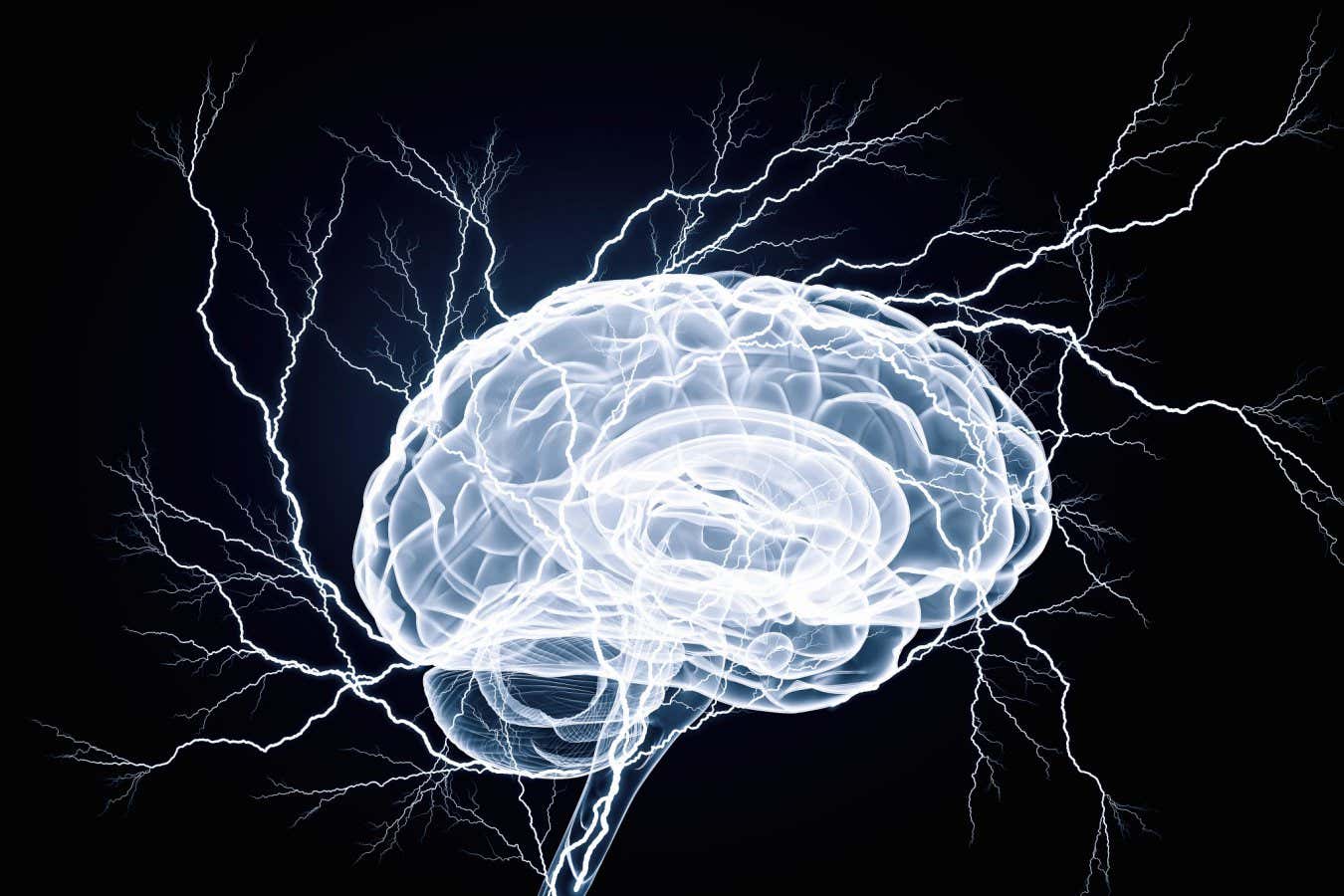
    Novel approaches are edging us closer to relieving the agonising pain of migraines for all affected

    Sergey Khakimullin/Getty Images

    One-third of people with migraines don’t respond to current treatments, but harnessing the brain’s cleaning system could open up a new treatment option. A drug that ordinarily treats high blood pressure helped this system more effectively remove a chemical substance from the brains of mice that is a potent driver of migraines. As a result, the mice showed fewer signs of facial pain, which affects about 60 per cent of people with migraines during an episode.

    Around 1 in 7 people worldwide have migraines. Pain, pressure or throbbing in the cheeks, jaw, forehead or behind the eyes are common symptoms, and can be exacerbated by even light touch. “Simply brushing their hair can be painful for [people with migraines],” says Adriana Della Pietra at the University of Iowa, who presented the research at the Oxford Glymphatic and Brain Clearance Symposium in the UK on 1 April.

    Standard migraine treatments include painkillers such as triptans, which are thought to reduce inflammation and lower levels of a neurotransmitter called calcitonin gene-related peptide (CGRP) – a driver of migraines and the target of our most potent therapies against the condition. “But lots of people don’t respond to the drugs they’re offered, and quite often, people are living through hell that can last for days. Quite often, they can’t do everyday tasks,” says Valentina Mosienko at the University of Bristol, UK, who wasn’t involved in the research.

    In an earlier experiment, the researchers found that prazosin – a drug that is approved to treat high blood pressure – relieves facial pain caused by traumatic brain injuries in mice. Such injuries impair the brain’s waste disposal system, known as the glymphatic system, while prazosin boosts the flow of waste fluid from brain cells through this system. However, some migraine-affected mice that the researchers used as a control also seemed to benefit.

    Investigating this further, the team added prazosin to the drinking water of a group of mice for six weeks, while a separate group were given regular water. The researchers then induced migraines in all of the rodents by injecting them with CGRP.

    Half an hour later, the team prodded the mice’s foreheads with plastic filaments of increasing thickness. Although none of these is ordinarily painful, the filaments are increasingly noticeable as they become thicker. The researchers found that the mice in the prazosin group could be touched by substantially thicker filaments without flinching than the control mice. The former group acted similarly to mice that hadn’t been injected with CGRP, says Della Pietra.

    Further analysis showed that prazosin reversed impairment of the glymphatic system caused by CGRP, which probably enhanced its clearance and that of other molecules that transmit pain signals, says Della Pietra.

    The researchers hope to test whether the same effects occur in people. “If it works in humans, that would be fantastic,” says Mosienko. “The drug is already in use, so we know it’s safe for use.”

    Topics:


    Source link

    Share. Facebook Twitter Pinterest LinkedIn Tumblr Email Telegram Copy Link

    Related Posts

    Science

    ‘Kraken’ fossils show enormous, intelligent octopuses were top predators in Cretaceous seas

    April 24, 2026
    Science

    Largest ever octopus was great white shark of invertebrate predators

    April 24, 2026
    Science

    Do you need to worry about Mythos, Anthropic’s computer-hacking AI?

    April 23, 2026
    Science

    How many dachshunds would it take to get to the moon?

    April 23, 2026
    Science

    The Age Code review: Can you slow ageing with your diet? A new book gives it a go

    April 23, 2026
    Science

    The monstrous number sequences that break the rules of mathematics

    April 23, 2026
    Editors Picks

    Lakers’ JJ Redick gives no clarity about Luka Doncic’s left leg injury

    December 21, 2025

    Bethenny Frankel Says Taylor Frankie Paul Drama Is ‘Reality TV Gold’

    March 22, 2026

    Opinion | How Hard Is It to Rig an American Election, Really?

    February 7, 2026

    Spaceflight literally moves your brain

    February 15, 2026

    Are Cowboys preparing to part ways with George Pickens?

    October 28, 2025
    About Us
    About Us

    Welcome to Benjamin Franklin Institute, your premier destination for insightful, engaging, and diverse Political News and Opinions.

    The Benjamin Franklin Institute supports free speech, the U.S. Constitution and political candidates and organizations that promote and protect both of these important features of the American Experiment.

    We are passionate about delivering high-quality, accurate, and engaging content that resonates with our readers. Sign up for our text alerts and email newsletter to stay informed.

    Latest Posts

    China’s DeepSeek says it released long-awaited new AI model

    April 24, 2026

    China’s DeepSeek unveils latest models a year after upending global tech | Technology News

    April 24, 2026

    Malik Nabers’ reaction to Cowboys drafting Caleb Downs should thrill Dallas fans

    April 24, 2026

    Subscribe for Updates

    Stay informed by signing up for our free news alerts.

    Paid for by the Benjamin Franklin Institute. Not authorized by any candidate or candidate’s committee.
    • Privacy Policy
    • About us
    • Contact us

    Type above and press Enter to search. Press Esc to cancel.