

Severance is the hit sci-fi show about office workers who “sever” their consciousness—slipping into another mode the moment they arrive at the office, then forgetting everything about their 9-to-5 as soon as they leave. The concept was inspired by the creator’s own monotonous desk job before he found success in television. Part of the show’s appeal lies in how familiar the premise feels: a dull, repetitive workday that people can’t wait to escape.
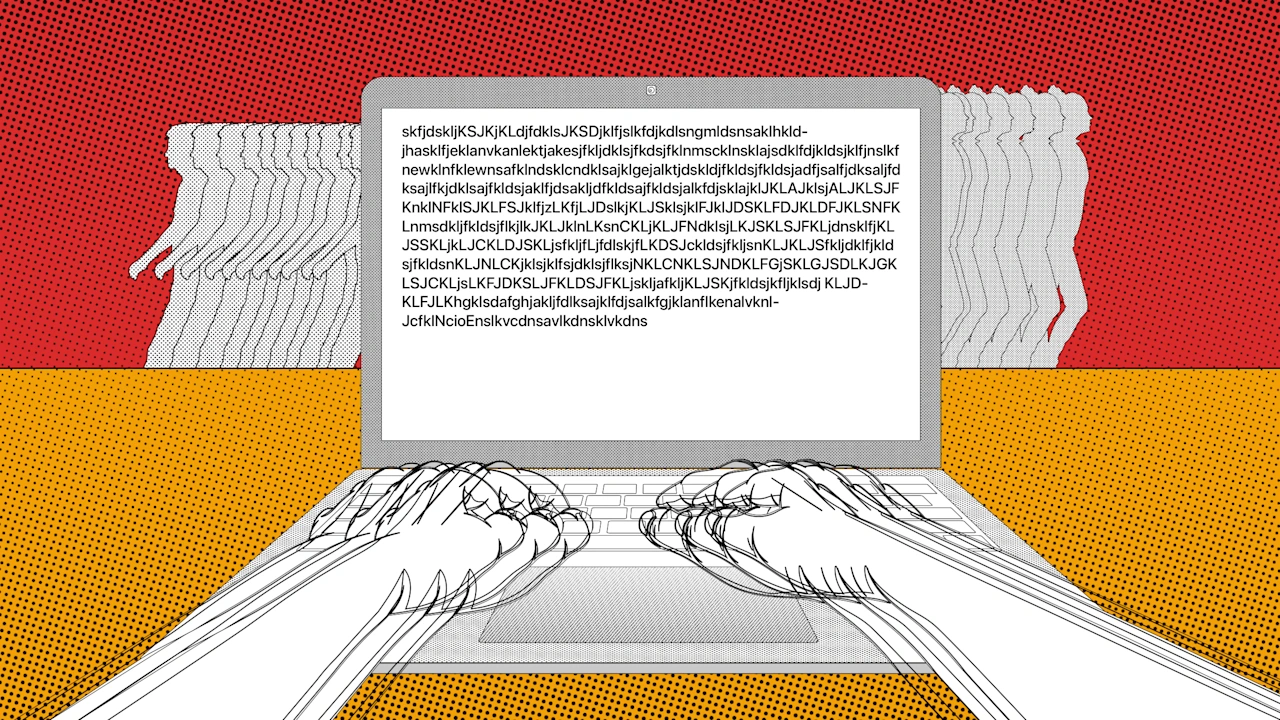
In the real world, employees don’t have a mental switch to flip, but they’ve found subtler, and potentially more insidious, ways to disengage. The latest trend, dubbed “task-masking,” has taken over Instagram and TikTok. It’s all about looking busy without actually being productive: charging around the office with a laptop, pretending to be on an urgent call, or typing furiously with no real purpose. According to recent research, more than a third of U.K. workers admit to faking productivity.
Task-masking doesn’t just waste time—it slows career growth and hurts company performance. Employees miss out on meaningful progress and promotion opportunities. Leaders lose engagement and confidence in their teams.
In short, task-masking is a problem no leader can afford to ignore. Here are some strategies to stop it.
Be clear on the company’s values
Task-masking isn’t born of laziness or lack of ambition—it’s a fear-based response to productivity pressure and “always-on” work cultures. Research from Workhuman found that strict time-tracking exacerbates the problem: When workers strongly agree they are expected to respond immediately to Slack, Teams, or other instant messages, the rate of fake productivity shoots up to 51%.
To free employees from the sense that their time card matters most, leaders should clarify what the company truly values. Face time or hours logged at a desk shouldn’t be measures of success—meaningful productivity should. What that looks like will vary by organization, but at Jotform, for example, it means advancing projects and meeting reasonable deadlines. It also includes less-measurable but equally valuable behaviors like showing curiosity, supporting teammates, and helping create a more engaged work culture.
Leaders should also be explicit about what doesn’t count: busywork, unnecessary meetings that could be handled asynchronously, and burning the midnight oil just to give the impression of busyness and commitment.
Break down projects into more manageable tasks
As AI and automation boost efficiency and productivity, they’ve fundamentally transformed workloads. In many ways, that’s a positive change. Employees can devote more time to meaningful, higher-impact work. For example, you can spend more time on strategizing and creative writing, and fewer hours sifting through your inbox and searching through meeting notes. But it also brings a challenge: When technology accelerates what you can accomplish in a day, leaders’ expectations often rise in tandem. The slope to burnout becomes slippery.
One of the best antidotes to that pressure, especially when facing large, intimidating projects that can leave employees feeling paralyzed or faking productivity, is to break them into smaller tasks. For starters, this helps people identify steps that can be automated, eliminated, or delegated. It also makes progress more tangible. Ticking off one item at a time, with restorative breaks in between, keeps momentum steady.
When a daunting to-do list is broken down into a sequence of manageable tasks, employees can work efficiently and stay on track toward deadlines without burning out.
Make psychological safety a priority
If task-masking is rooted in fear, a quick fix won’t eliminate it. Economic downturns, global pandemics, and rapid technological change have all contributed to a heightened sense of workplace anxiety, especially among the younger generations. More than one-third (37%) of Gen Z workers fear losing their jobs—more than any other generation—according to research from Edelman’s Gen Z Lab. Creating an environment where psychological safety is a priority can help assuage career-related fears and the pressure to appear productive all the time. When employees feel safe admitting they’re stuck or uncertain, they’re less likely to mask their struggles with performative busyness.
At Jotform, we have multiple channels where employees can voice their concerns, ranging from all-hands meetings and dedicated chat threads to a general management open-door policy. I make a point to share the challenges I’m facing, too, in hopes that my candor will encourage others to speak openly about their own doubts and setbacks.
Ultimately, leaders must be explicit about the resources available to support employees and model the transparency they want to see. A bit of vulnerability from the top can help promote psychological safety throughout an organization. Employees shouldn’t fear work so much that they want to escape it—through severance or through task-masking.