
Close Menu
    Trending
    • Jelly Roll And Bunnie XO’s ‘Complicated Dynamic’ Revealed
    • Trump, Iran’s president sign deal to end Mideast war
    • Diplomat confirms that US and Iran have signed MoU electronically | US-Israel war on Iran News
    • Grading the NHL’s recent head-coaching moves: Maple Leafs go off the board
    • Lululemon brought the wrong drum to an activation. It’s the latest brand to fumble as it looks to China for growth
    • Chilling the body with drugs could limit brain damage from stroke
    • Tech Interview Prep: How Scoring Really Works
    • Market Talk – June 17, 2026
    Benjamin Franklin Institute
    Thursday, June 18
    • Home
    • Politics
    • Business
    • Science
    • Technology
    • Arts & Entertainment
    • International
    Benjamin Franklin Institute
    Home»Science»Chilling the body with drugs could limit brain damage from stroke
    Science

    Chilling the body with drugs could limit brain damage from stroke

    Team_Benjamin Franklin InstituteBy Team_Benjamin Franklin InstituteJune 17, 2026No Comments3 Mins Read
    Share Facebook Twitter Pinterest Copy Link LinkedIn Tumblr Email VKontakte Telegram
    Share
    Facebook Twitter Pinterest Email Copy Link


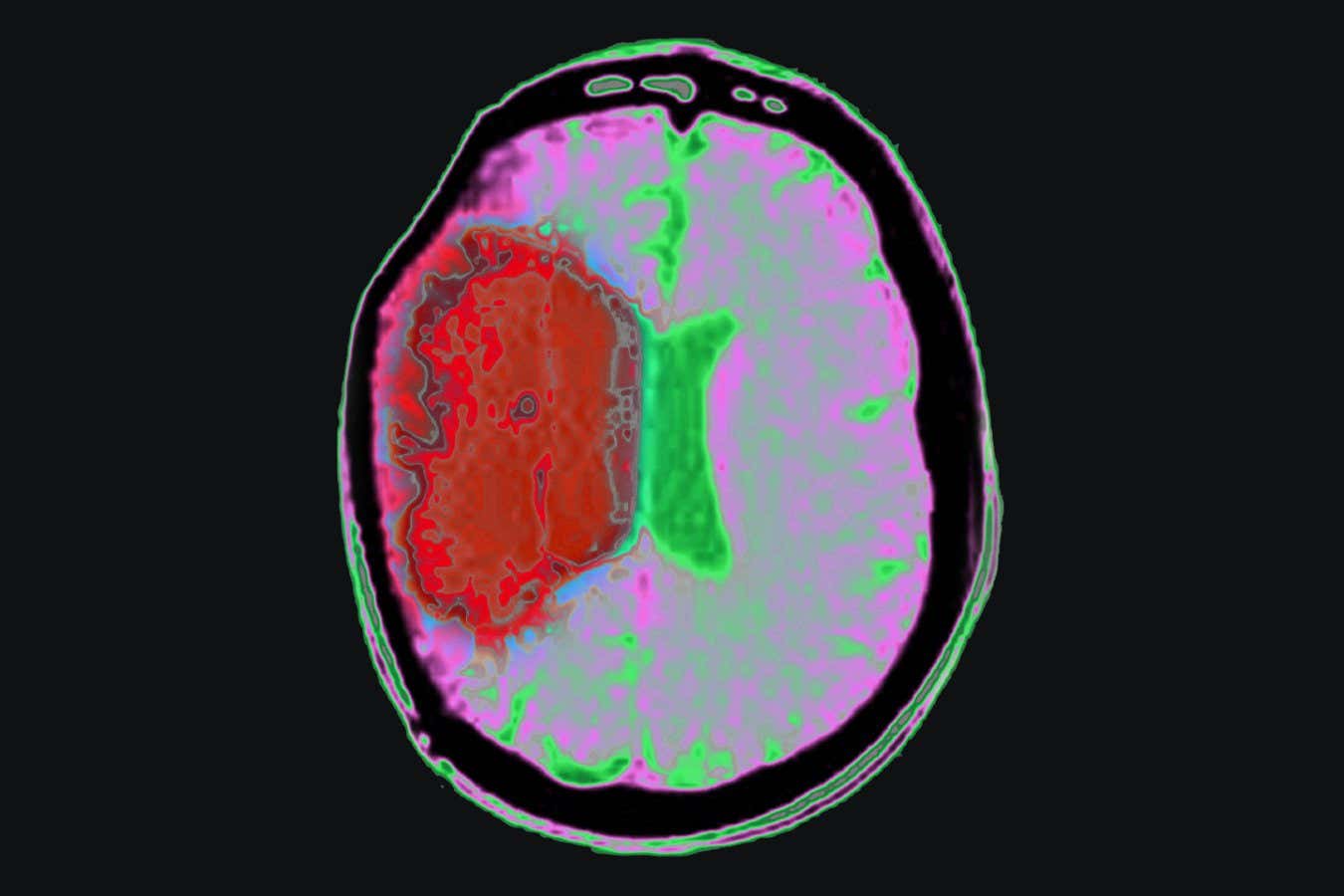
    Stroke can cause lasting damage, but quickly cooling down the body could mitigate these effects

    BSIP SA/Alamy

    A combination of two drugs used to treat hay fever and psychosis cooled down the core body temperature of mice and monkeys, reducing brain damage after a stroke. These medications have also undergone preliminary testing in people, and will now be evaluated in a follow-up clinical trial.

    Researchers have spent decades investigating ways to chill people’s brains after they have a stroke to try to limit the damage. The idea is to freeze brain cells in a hibernation-like state so they don’t need as much oxygen and glucose when a stroke cuts off their blood supply. If brain cells can be kept alive until blood flow is restored, for example, by removing a clot, a patient may be spared from extensive brain damage and related speech and movement problems.

    Unfortunately, the physical cooling strategies that have been looked at so far – including cooling blankets, ice packs and helmets – haven’t worked well. This is because they cause intense discomfort and uncontrollable shivering, says Kirsten Coupland at the University of Newcastle in Australia, who wasn’t involved in the study.

    Shivering is one method the body uses to “fight the induction of hypothermia”, making it hard to get body temperature down low enough, she says. “It’s great to see different cooling therapies being tested out for stroke because we know that physical cooling is just not feasible,” says Coupland.

    Shuaili Xu at Capital Medical University in Beijing, China, and his colleagues administered the two drugs, promethazine and chlorpromazine, which have been known to reduce body temperature since the 1950s, to mice and rhesus monkeys following induced strokes.

    In both animals, the drug combination led to drops in core body temperature, suppressed glucose metabolism in cells and lessened the amount of brain damage caused by the stroke. The reduced brain damage also meant the treated monkeys displayed better use of their limbs.

    Next, the team conducted a clinical trial involving 32 people who had just had a stroke. Upon hospital admission, the subjects were given the promethazine and chlorpromazine combination or a placebo, in addition to standard clot-removal therapy.

    The promethazine and chlorpromazine treatment only reduced the patients’ body temperature by 0.3°C (about 0.5°F) and did not reduce stroke damage. However, Xu thinks this is because the infusions were done over 12 hours, which was too slow to bring down core body temperature by a meaningful amount. “It might have led to a low blood drug concentration per unit of time,” he says.

    His team is now launching another trial to see whether faster infusions over an hour produce stronger cooling effects and therapeutic benefits. “The fact that they’ve proven that it’s safe and these drugs are already used in humans for other indications means I think that it’s reasonable to proceed with further clinical trials,” says Coupland.

    Promethazine and chlorpromazine are known to be relatively safe because they have been used for decades. Promethazine is a sedating antihistamine that can ease hay fever and assist sleep, while chlorpromazine is an antipsychotic drug used in the management of schizophrenia and bipolar disorder. They both act on the central nervous system to reduce core body temperature, without translating into shivering or subjective feelings of coldness.

    Topics:


    Source link

    Share. Facebook Twitter Pinterest LinkedIn Tumblr Email Telegram Copy Link

    Related Posts

    Science

    Oldest known plague outbreak killed hunter-gatherer children

    June 17, 2026
    Science

    Could this ancient burial site be the oldest lethal plague outbreak?

    June 17, 2026
    Science

    Watch sharks use manta rays to scratch unreachable itches

    June 17, 2026
    Science

    NASA data reveals weird x-ray changes in the exploded ruins of dead stars

    June 17, 2026
    Science

    Math predicts humans could go extinct in about 17,000 years

    June 17, 2026
    Science

    Proposed White House regulations could kill 5,000 clinical trials, analysis finds

    June 17, 2026
    Editors Picks

    Queen Elizabeth II Dead

    December 12, 2025

    Stocks up, oil down over week on guarded optimism for Iran

    April 10, 2026

    Inflammation might cause Alzheimer’s – here’s how to reduce it

    March 6, 2026

    One scientist’s 10-year quest to calculate the strength of gravity

    April 25, 2026

    Shohei Ohtani ties franchise record with HR vs. Twins

    July 24, 2025
    About Us
    About Us

    Welcome to Benjamin Franklin Institute, your premier destination for insightful, engaging, and diverse Political News and Opinions.

    The Benjamin Franklin Institute supports free speech, the U.S. Constitution and political candidates and organizations that promote and protect both of these important features of the American Experiment.

    We are passionate about delivering high-quality, accurate, and engaging content that resonates with our readers. Sign up for our text alerts and email newsletter to stay informed.

    Latest Posts

    Jelly Roll And Bunnie XO’s ‘Complicated Dynamic’ Revealed

    June 18, 2026

    Trump, Iran’s president sign deal to end Mideast war

    June 18, 2026

    Diplomat confirms that US and Iran have signed MoU electronically | US-Israel war on Iran News

    June 18, 2026

    Subscribe for Updates

    Stay informed by signing up for our free news alerts.

    Paid for by the Benjamin Franklin Institute. Not authorized by any candidate or candidate’s committee.
    • Privacy Policy
    • About us
    • Contact us

    Type above and press Enter to search. Press Esc to cancel.